2.What Makes Chongqing Shibati Special
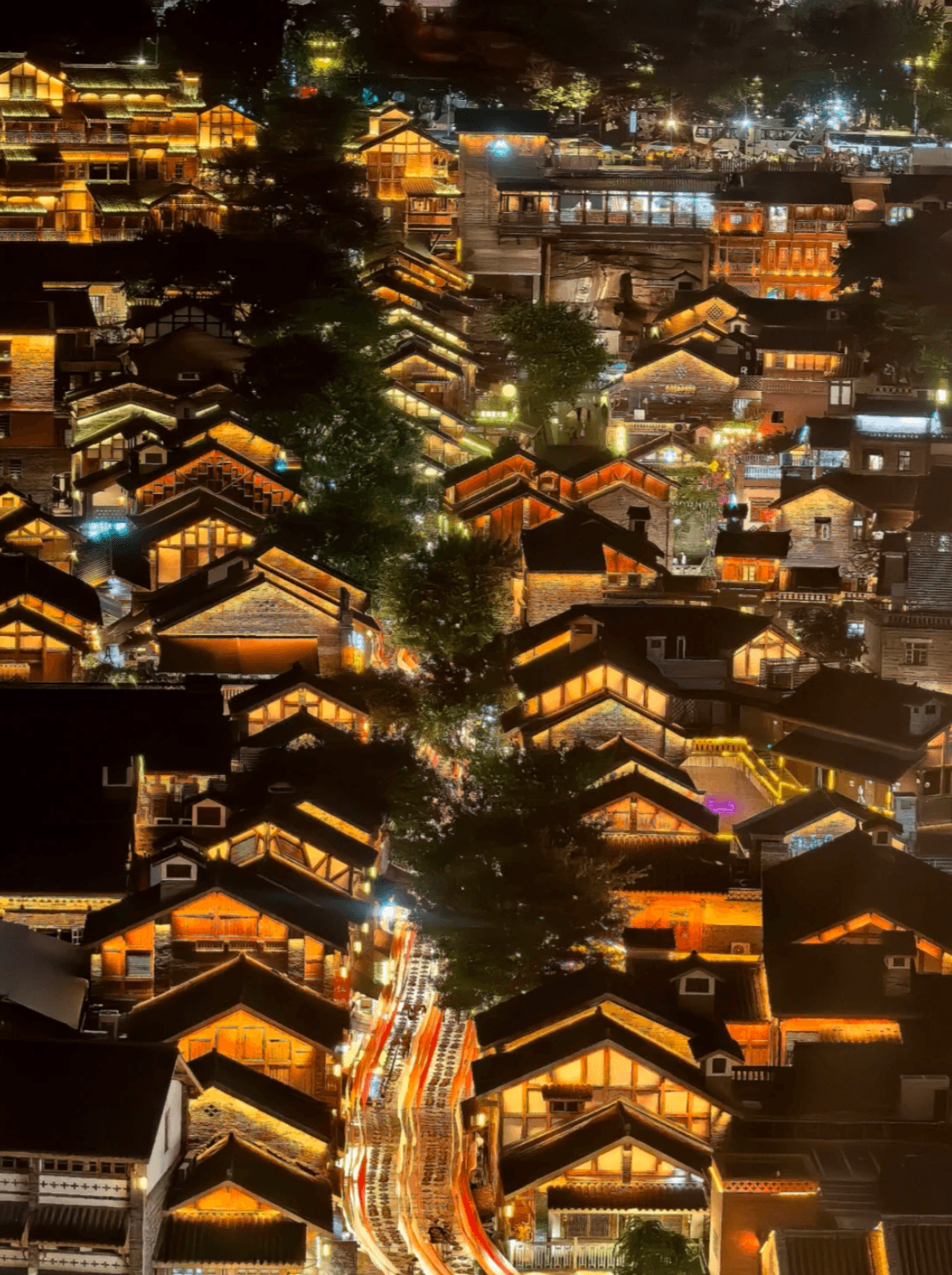
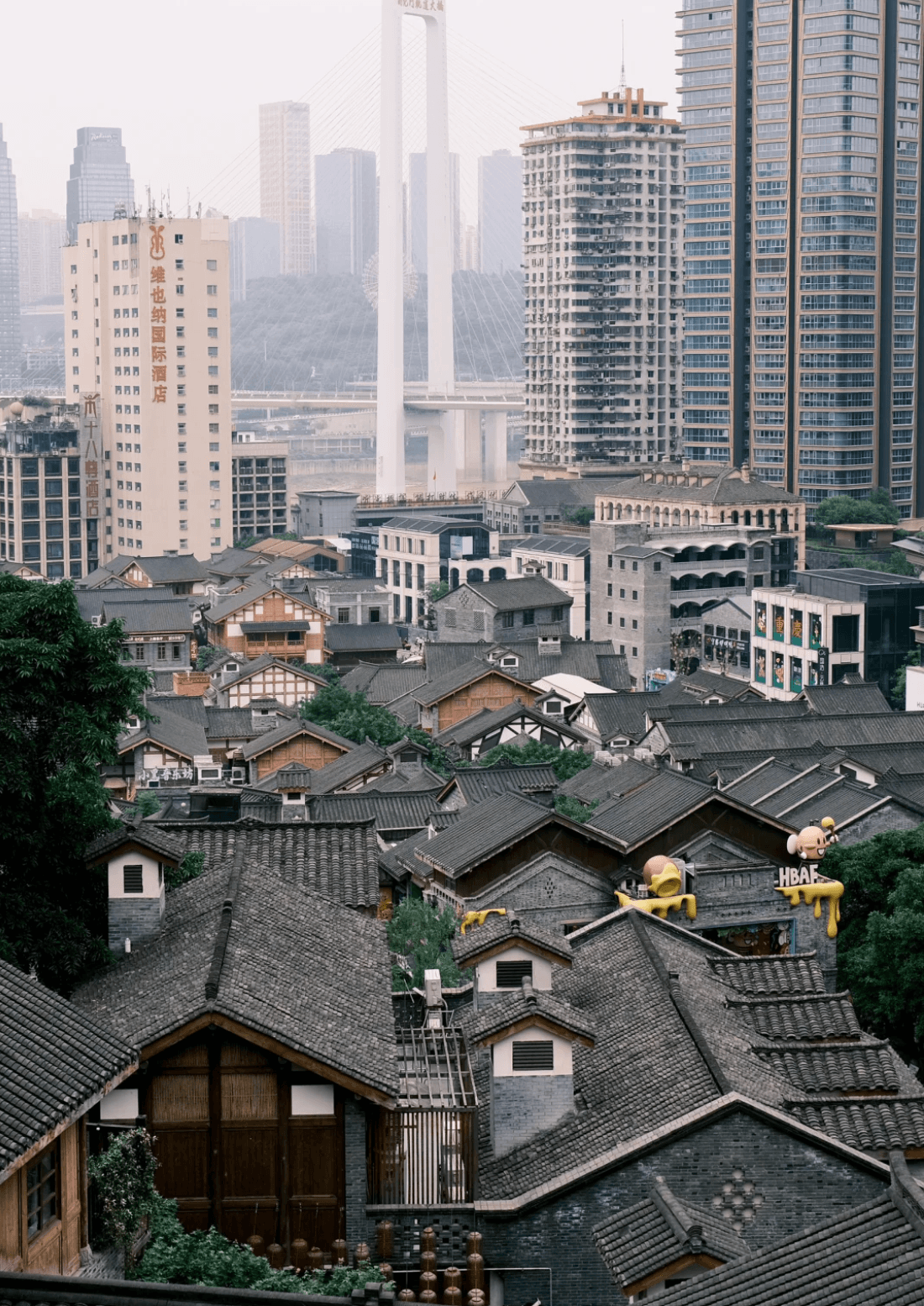
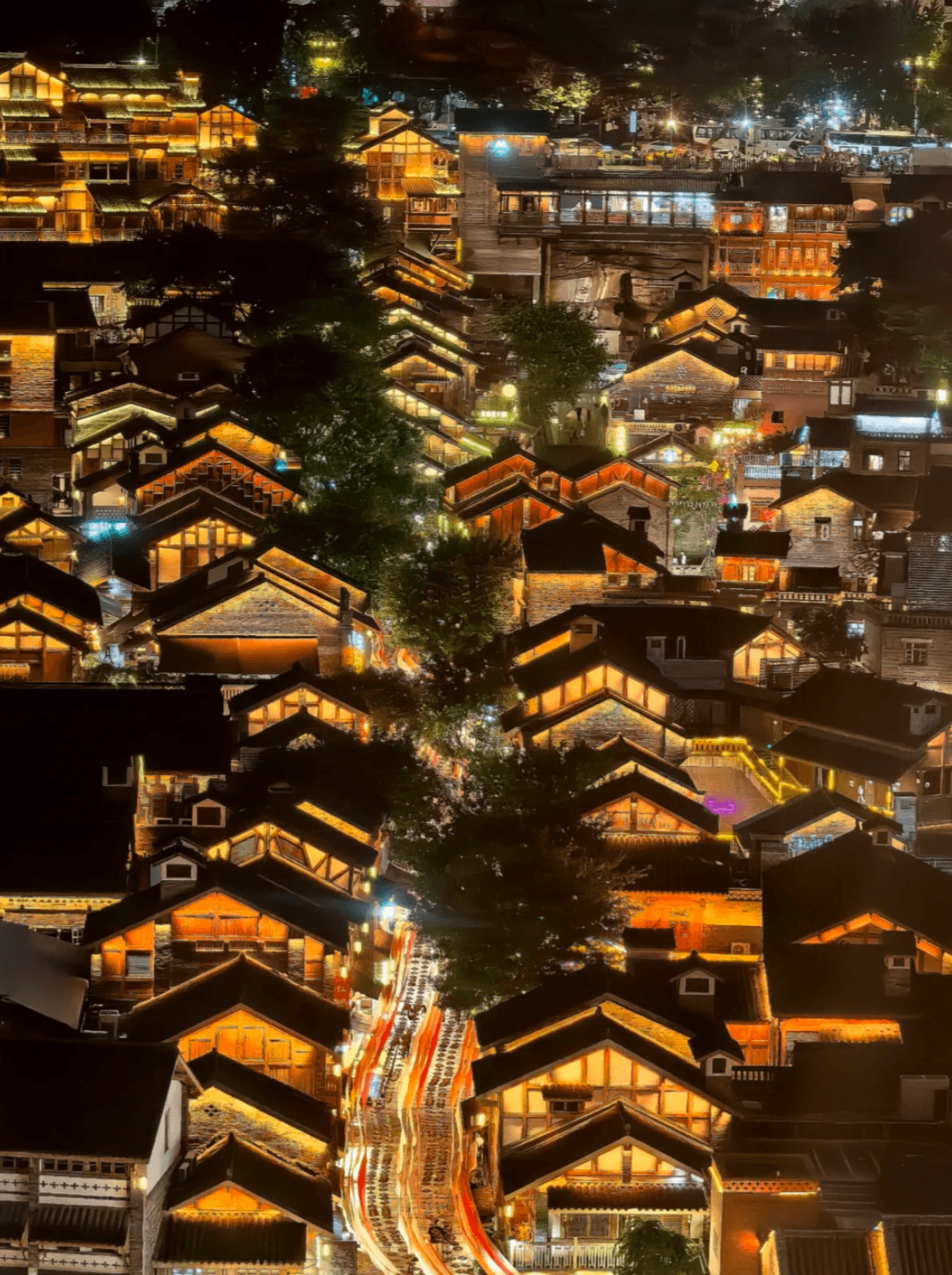
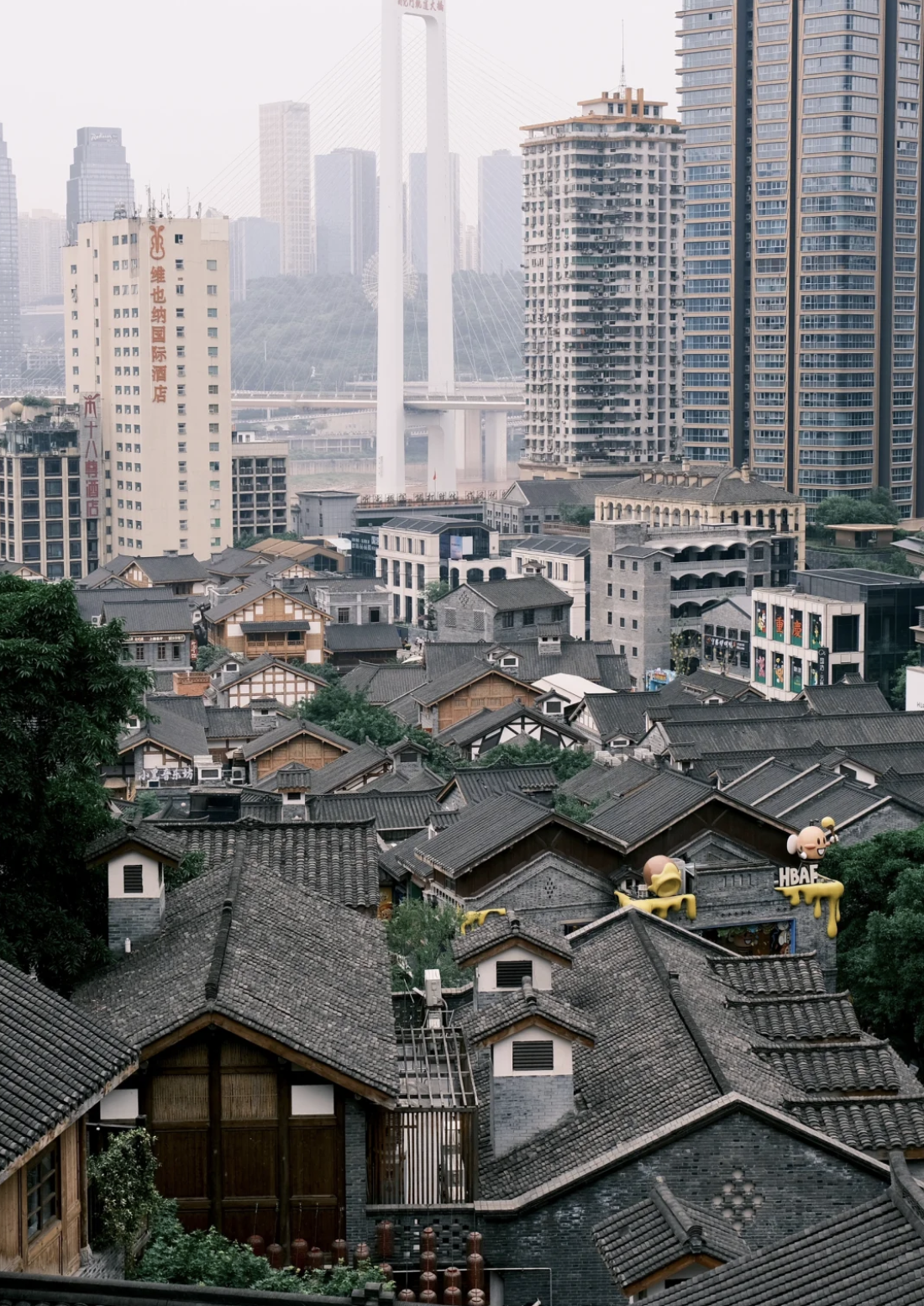
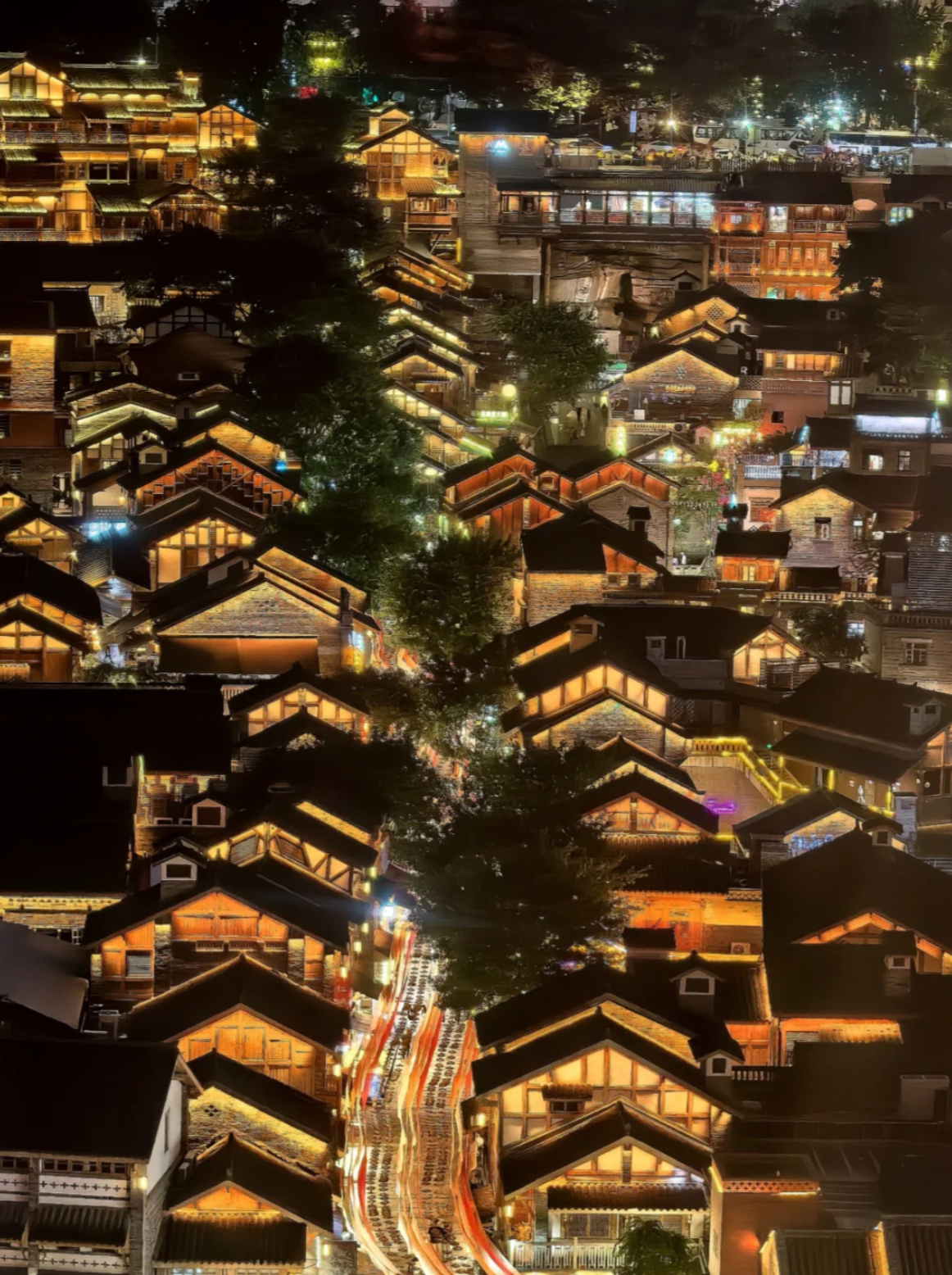
Chongqing Shibati is not a newly constructed attraction. It was restored on top of its original old community, and much of its physical layout remains unchanged. Walking here allows visitors to see how families lived on slopes long before elevators or modern engineering were available.
Mountain Architecture
Instead of constructing vertical towers on steep cliffs, early residents built homes step by step along the slope. This created:
Long stairways
Narrow alleyways
Blue-stone paths
Stilted buildings (吊脚楼)
This building style is highly recognizable and shows why Chongqing is called an “8D mountain city”. Every block feels like multiple layers of city stacked on top of each other.
Historical Highlight
Chongqing Shibati has existed for many centuries. One traditional story explains that the area name refers to eighteen stone steps used by locals for everyday movement. Another version says the stairway was originally divided into eighteen small segments. Today, “Shibati” simply represents historic hillside living in Chongqing.
Although the detailed history stretches longer, what matters most for visitors is this: Shibati is one of the few places where you can physically feel how mountain neighborhoods shaped Chongqing culture.
3.How to Explore Chongqing Shibati
Best Starting Point
Begin at Jiaochangkou Station, where the main entrance is clearly marked. From here, the recommended walking route is mostly downhill, making it easy and enjoyable even for casual travelers.
Suggested Route (1–2 hours)
⭐️Start with the Shancheng Memory Hall – A small, immersive museum that explains old Chongqing life through photos, models, and multimedia storytelling. This stop helps you understand the city’s mountain lifestyle and daily culture.
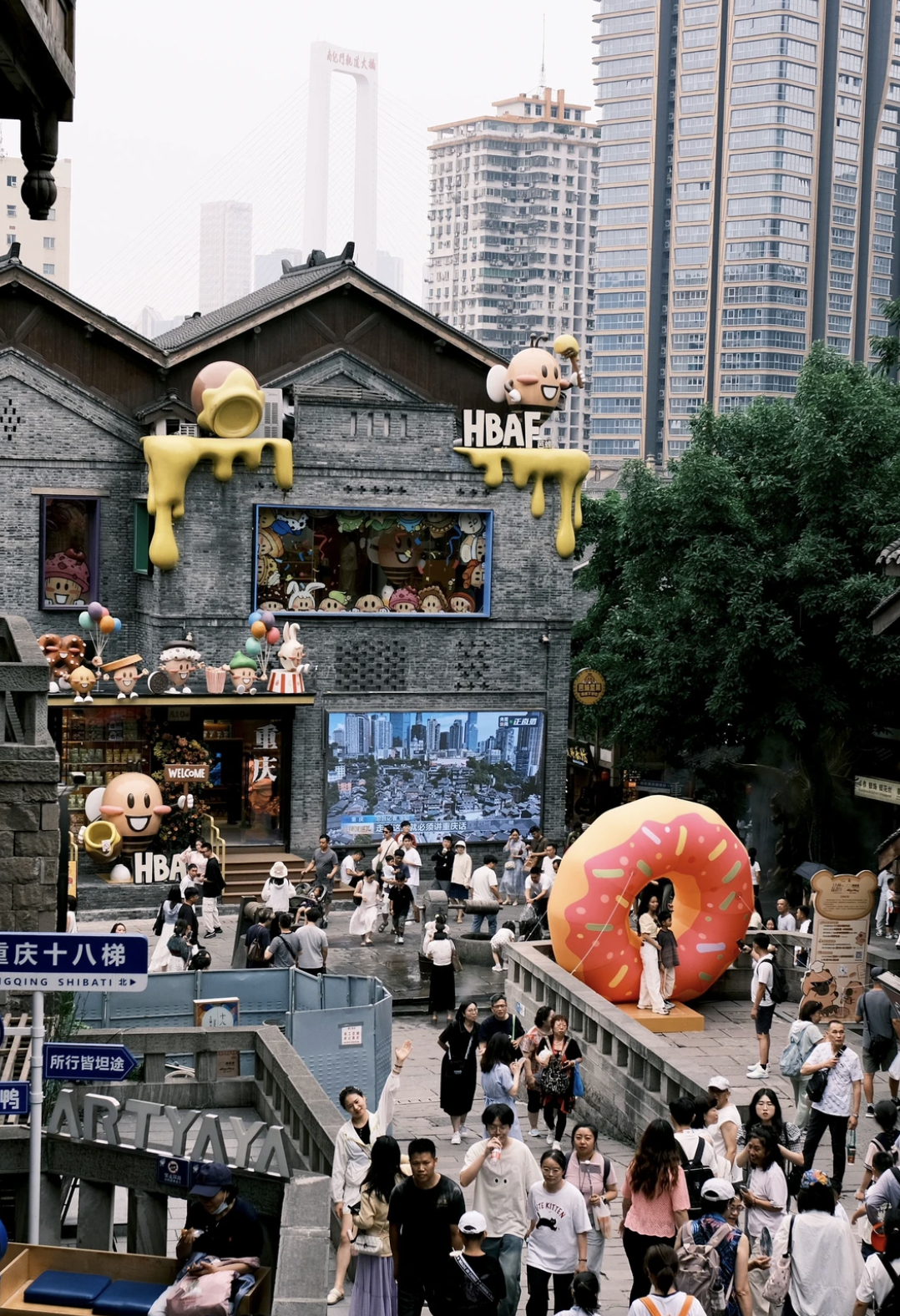
⭐️Walk down historic stairways – Take your time, stop for photography, and observe how houses and shops are built directly along the slope.
⭐️Visit a traditional tea house – Locals gather here to relax, drink tea, and enjoy performances. Even without speaking Chinese, sitting in a tea house gives a peaceful and authentic experience.
⭐️Stop at the Ancient Well area – A symbolic spot related to the naming history of Shibati.
⭐️Explore the tunnel memorial – This small tunnel site reminds visitors of wartime shelters when Chongqing served as a major city during the war. It is meaningful, easy to understand, and suitable for a short visit.
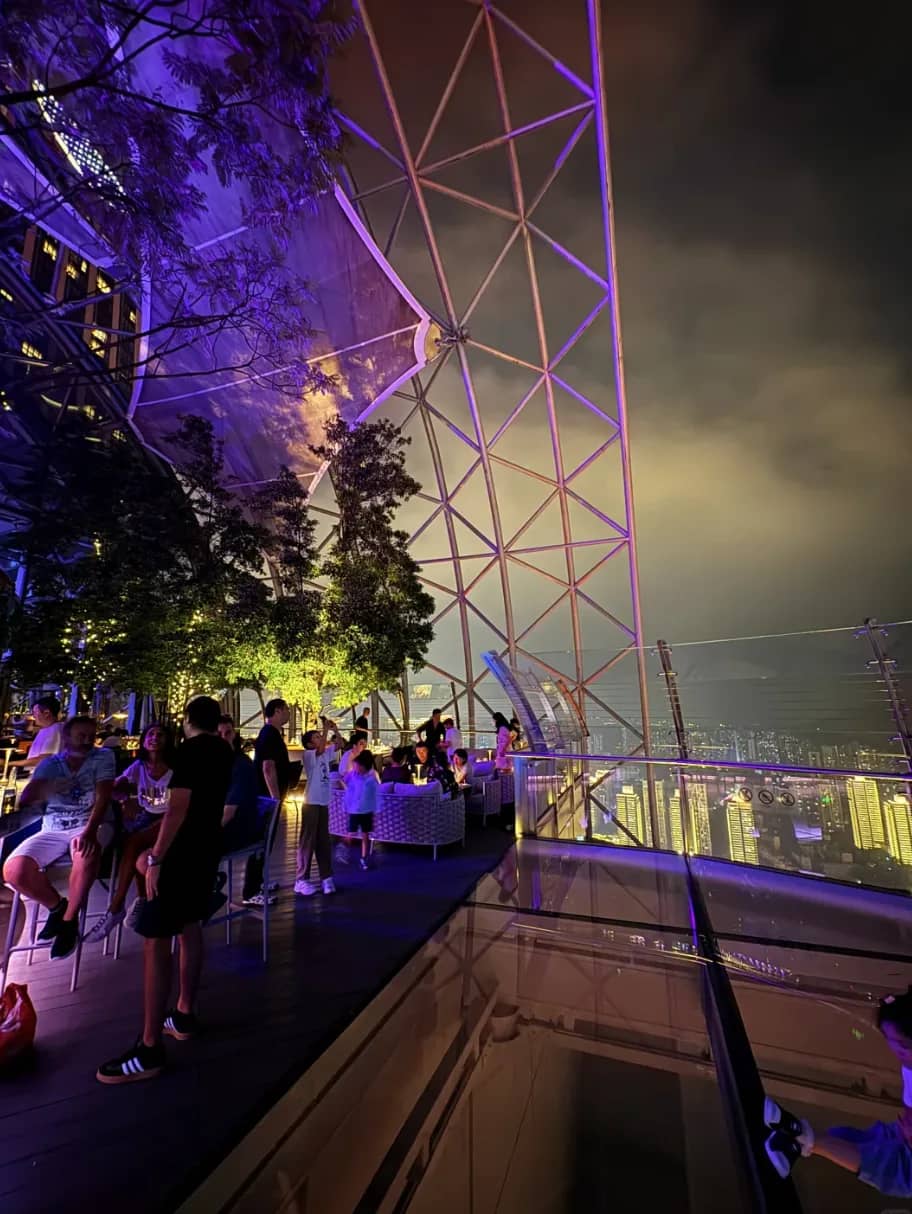
⭐️Ride the elevator to Guanyinyan Terrace – A viewing area offering nice perspectives of surrounding houses and streets. Come at sunset or evening if possible.
Walking Tips
Chongqing Shibati involves stairways and slopes, so wear comfortable shoes. The paths are safe and easy to follow, but they are not flat. Walking the neighborhood is the key to understanding its cultural identity.
4.Food, Shopping & Nearby Attractions
Authentic Local Food
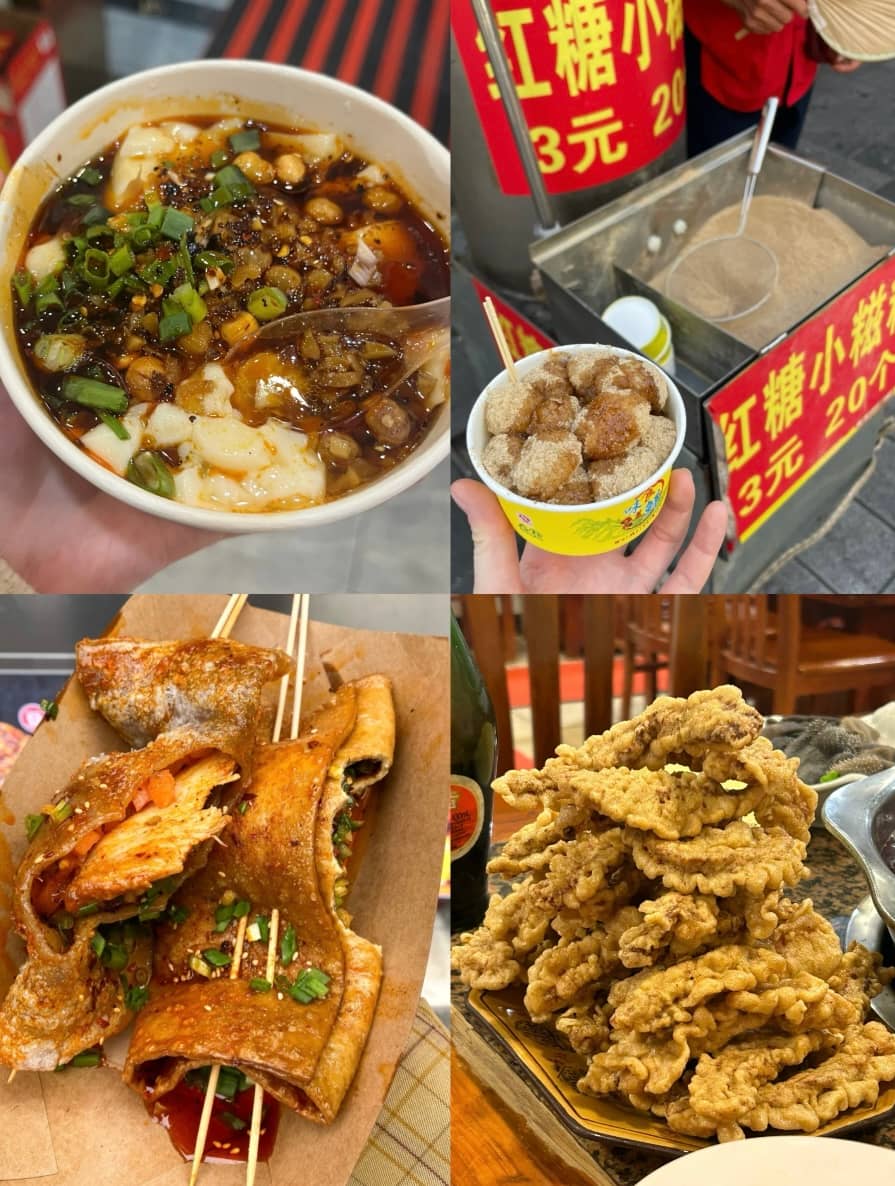
Inside Chongqing Shibati, you can try true neighborhood flavors at friendly prices:
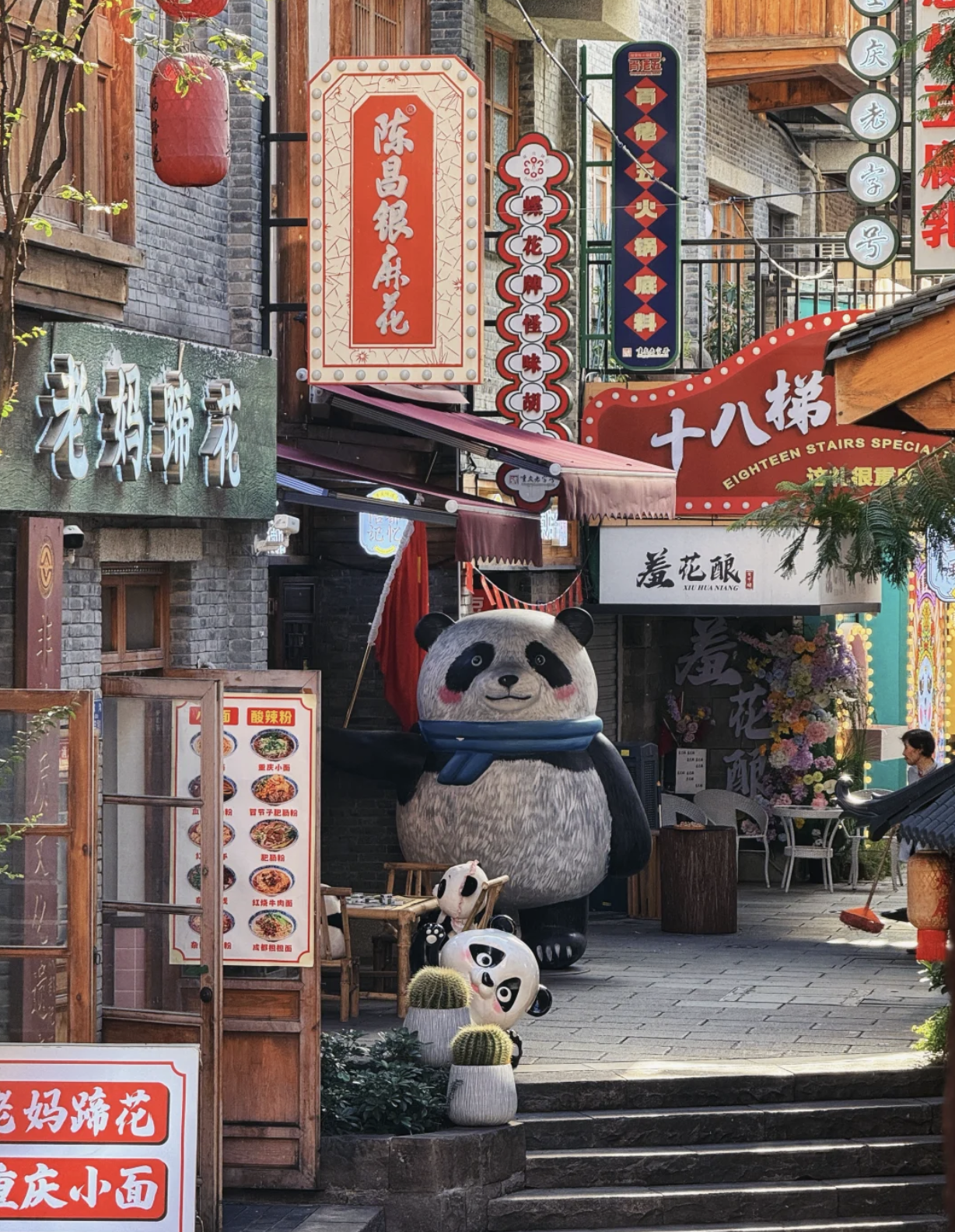
⭐️Shibati Dengdeng Noodles (豌杂面) – A must-try noodle dish with savory minced pork and peas
⭐️Local cold desserts – Such as lianggao and liangxia
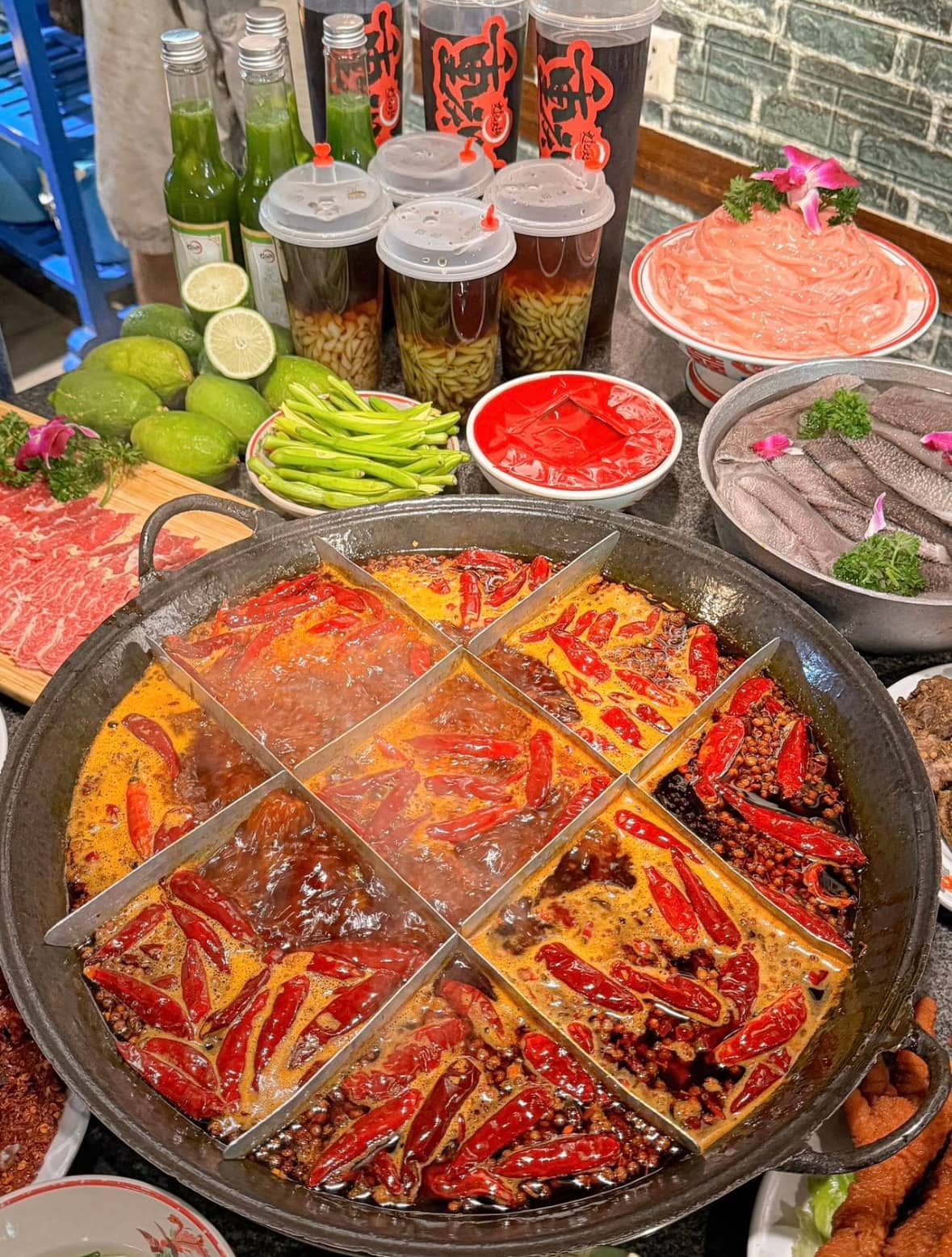
⭐️Casual hotpot restaurants – Approachable, delicious, and significantly more affordable than touristy hotpot districts
The combination of food stalls, narrow alleyways, and vintage stairways is excellent for food photography or short-form travel content.
Shopping & Lifestyle
The lower commercial street has small creative shops, postcards, handmade items, and local crafts. Pricing is fair and the shops feel community-based rather than overly commercialized.
Attractions to Combine in One Trip
Thanks to its central location, you can easily combine Chongqing Shibati with several major landmarks:
⭐️Jiefangbei Pedestrian Street – Modern shopping and dining
⭐️Hongyadong Folk Culture Complex – One of Chongqing’s most popular night-view spots
⭐️Yangtze River Cable Car – Best visited at night, around 7:30 p.m., when the lights turn on
⭐️Local markets – Ideal for slow walks and everyday photography
A perfect itinerary is:
Shibati in late afternoon → dinner nearby → Hongyadong or cable car night view.
Final Tips for International Travelers
⭐️The area is free and open anytime
⭐️Come during late afternoon and stay into evening for the best light and atmosphere
⭐️Wear shoes suitable for slopes and steps
⭐️For richer storytelling, consider joining a local neighborhood walking tour, which helps you understand history, architecture, and food culture more deeply