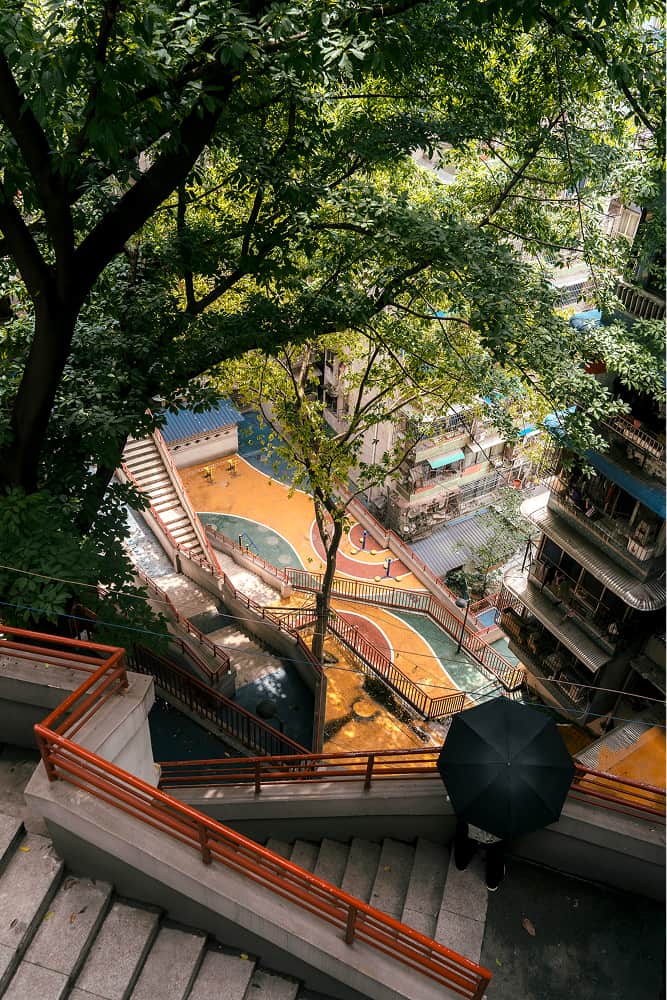
Choose Chengdu for pandas, teahouses, food, and neighborhood culture. Choose Chongqing for dramatic architecture, night views, and the experience of exploring a mountain city.
At 240hoursinChina.com, our local team plans and guides trips in both cities. This guide draws on that experience to help you choose.
Many international visitors associate Chengdu with pandas and trips to Leshan, Mount Emei, or western Sichuan. Yet its markets, restaurants, and relaxed atmosphere also make the city itself a favorite among Chinese travelers. It may not have Chongqing’s immediate visual impact, but it rewards visitors who give it time.
Chengdu vs Chongqing: A Quick Comparison
These are useful distinctions, but neither city fits neatly into one description. Chengdu can be energetic and fast-moving; Chongqing has plenty of places to sit over tea.
Local experiences
Tours that pair well with this guide
Handpicked Chongqing experiences that complement this guide.
Sights and Photography: Chongqing Makes a Stronger First Impression
If unusual urban scenery is your main reason for traveling, we would recommend Chongqing.
At Liziba, a monorail passes through a residential building. Around Kuixinglou, you discover that “ground level” depends on which direction you approach from. After dark, Hongyadong and the riverside skyline reveal another side of the city.
Our Chongqing Cyber City in One Day route brings together its best-known sights, while our three-hour night-view tour gives more attention to viewpoints and the city after dark. Both suit visitors who want to understand where those famous images come from.
Chengdu offers a different kind of visual interest: temple courtyards, busy markets, teahouse scenes, and contemporary shopping districts. Its attractions are worth visiting, even if they do not all fit into one instantly recognizable skyline.
Our Chengdu City Highlights in One Day provides a broad introduction, with flexible options that bring together cultural sights and modern city life. It works well if you have limited time and want to see more than the Panda Base.
Choose Chongqing for dramatic city views; choose Chengdu if you enjoy street photography and the details of everyday life.
Local Life: Two Different Ways to Explore a City
In Chengdu, a rewarding afternoon might involve a market, lunch in a small restaurant, a few independent shops, and tea that lasts longer than you planned.
This is part of its appeal. You can enjoy the city without moving constantly between major attractions.
Our half-day Where Chengdu Meets Tibet walking tour explores Tibetan communities and the streets around Yulin, including local markets and residential lanes. It is a good fit if you are curious about who lives in the city and how different cultures contribute to its daily life.
In Chongqing, the landscape shapes the walk itself. You might leave a market, climb between apartment buildings, and emerge onto a road several levels above where you started. The “8D city” becomes much more interesting when you see how residents navigate it.
Our Chongqing Local Neighborhoods walking tour focuses on this connection between daily life and the city’s geography.
Choose Chengdu for relaxed browsing and neighborhood culture. Choose Chongqing if discovering how a city adapts to steep terrain sounds especially appealing.
Creative Culture: A Good Reason to Stay Longer in Chengdu
Chengdu deserves particular attention if you enjoy secondhand markets, independent music, and places shaped by the people who gather there.
These experiences can be harder to find through a list of famous attractions. A knowledgeable guide helps explain what you are seeing and why it matters.
Our Chengdu Subculture Tour is led by Regina, a Chengdu local with a background in anthropology and ethnic community research, alongside a personal interest in dance and independent music.
The route visits secondhand markets, neighborhoods shaped by migration from Tibetan areas, and independent music spaces around Yongfeng Overpass. The focus is on how these communities make room for themselves in the contemporary city.
Chongqing has its own creative scenes, too. But if this kind of cultural exploration is central to your trip, we would give Chengdu more time.
Food: Both Cities Deserve an Appetite
Food alone is not a reason to rule out either city. You can eat exceptionally well in both, from simple breakfasts to long dinners with friends.
In Chengdu, explore Sichuan cooking through neighborhood restaurants and snacks such as sweet water noodles, guokui, and chuanchuan. Our Chengdu Food Tour introduces classic local favorites and helps visitors navigate unfamiliar dishes and small eateries.
In Chongqing, hotpot deserves a place on the itinerary, but save room for xiaomian noodles and other everyday food. Our Chongqing Food Tour combines local streets with stops that give a broader taste of the city.
We would avoid making the decision based on which city is “spicier.” Heat depends on the dish and restaurant, and both offer plenty beyond hotpot.
Choose according to the meals you most want to try. If food is your main travel interest, visiting both cities makes sense.
Day Trips: Look at the Wider Journey
Your plans outside the city may make the choice easier.
Chengdu is the natural choice if pandas are a priority, or if your wider journey includes Leshan, Mount Emei, or western Sichuan. Our excursions include the Leshan Giant Buddha and a Panda Base and Dujiangyan itinerary.
Allow more time for distant mountain and grassland destinations. Western Sichuan covers a large area, so check the actual journey involved rather than assuming everything is a short excursion from Chengdu.
From Chongqing, Wulong offers dramatic natural scenery, Dazu Rock Carvings suits travelers interested in religious art and history, and the 816 Nuclear Project provides an unusual look at industrial and Cold War history. These are among our routes beyond the urban center.
If one of these places is a must-see for you, build your city choice around it.
Walking and Comfort: Chengdu Is Generally Easier
Central Chengdu’s flatter terrain makes it easier to arrange a day with fewer climbs. That can be helpful when traveling with children, older relatives, or anyone who prefers gentle walking.
Chongqing benefits from more careful route planning. Two places that appear close on a map may be separated by a steep slope or several flights of stairs. A car can help between areas, although individual stops may still involve walking and steps.
This does not make Chongqing unsuitable for a slower trip. It means choosing the right stops and being realistic about how much to cover.
If avoiding stairs is important, Chengdu is generally the simpler choice. In either city, check the specific route with your guide.
Should You Visit Both Chengdu and Chongqing?
Yes, if you have enough time to enjoy them properly. Their food cultures overlap, but the experience of exploring each city is different.
For a trip focused on the cities themselves, we suggest two to three full days in each, with additional time for excursions and transfers. If you only have two or three days in total, we would usually recommend choosing one.
Choose Chengdu if your ideal day includes pandas, tea, markets, good food, and time to explore a neighborhood without rushing.
Choose Chongqing if you are drawn to unusual architecture, night photography, and streets that keep surprising you as you walk.
Whichever you choose, leave some time beyond the headline sights. An afternoon in Yulin or a walk through a Chongqing hillside neighborhood may become just as memorable as the attraction that brought you there.