Ciqikou Ancient Town Travel Guide: What to See, Do & Know Before You Visit
Plan your visit to Ciqikou Ancient Town in Chongqing. Explore historic temples, traditional courtyards, old streets, local snacks, and practical travel tips.
Looking for a glimpse of old Chongqing beyond its skyscrapers and futuristic skyline? Ciqikou Ancient Town is a great place to start.
Located in Shapingba District on the banks of the Jialing River, Ciqikou dates back to the Song Dynasty, around 998 AD. It was once an important river port and trading hub, known for its busy markets and traditional streets. Its prosperity earned it the nickname Little Chongqing.
Today, Ciqikou is a popular destination for exploring traditional architecture, historic temples, old courtyards, and local teahouse culture. While the main shopping street can get crowded, the smaller lanes offer a quieter glimpse into the city's past.
This guide covers the best things to do in Ciqikou, a recommended walking route, and practical tips for your visit.
5 Best Places to Visit in Ciqikou Ancient Town
Baolun Temple
Baolun Temple is one of Ciqikou's historic Buddhist temples. According to local legend, Zhu Yunwen, the Jianwen Emperor of the Ming Dynasty, sought refuge here after losing his throne to his uncle. This story is associated with the town's former name, Longyin Town.
The temple offers a quieter atmosphere away from the busy shopping streets and is worth visiting if you're interested in Chinese history and Buddhist architecture.
Diaojiaolou Square
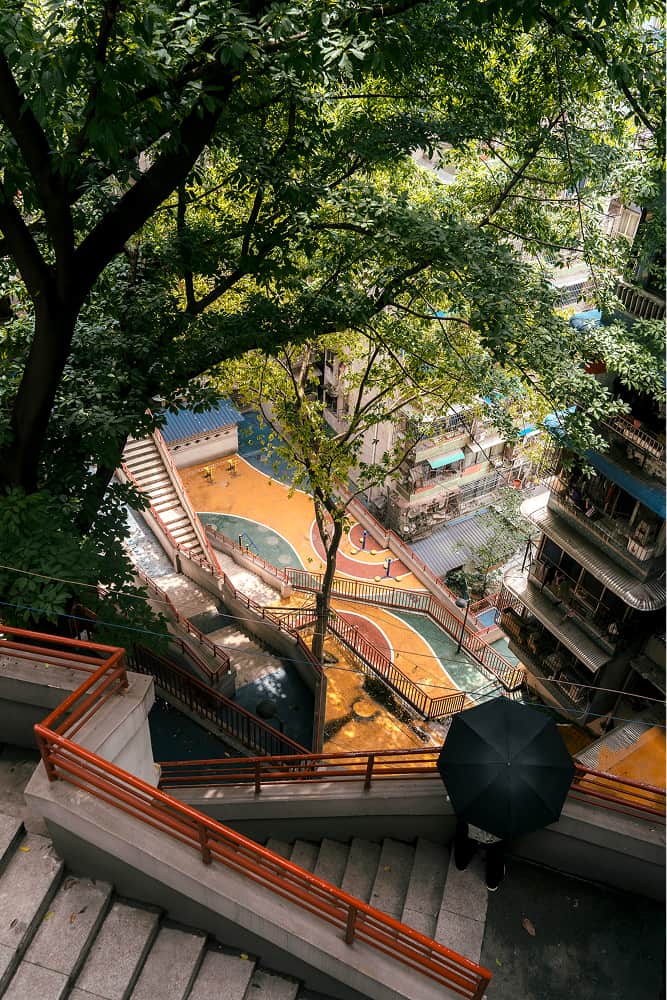
Chongqing is famous for its mountainous terrain and distinctive architecture. Traditional diaojiaolou, or stilt houses, use wooden structures and supporting columns to accommodate steep slopes.
Diaojiaolou Square is a good place to appreciate this traditional architectural style and take photos of old Chongqing.
Hanlin Courtyard
Hanlin Courtyard is associated with traditional Chinese education and is said to date back to the Qing Dynasty. Today, it is known as a quiet courtyard where visitors can appreciate traditional architecture and teahouse culture.
It's a pleasant stop if you want a break from the crowds on the main street.
Yinglong Gate
Located near the Jialing River, Yinglong Gate reflects Ciqikou's history as a river port and trading center.
The gate bears the inscription Ziqi Donglai, a traditional expression associated with good fortune. Before modern transport transformed Chongqing, river routes played an important role in connecting communities and moving goods.
Local experiences
Tours that pair well with this guide
Handpicked Chongqing experiences that complement this guide.
To explore the historic streets without unnecessary backtracking, follow this suggested route:
Ciqikou Metro Station → Wenquxing Pagoda → Huangjueping Archway → Hanlin Courtyard → Baoshan Palace → Zhong Family Courtyard → Yinglong Gate → Baolun Temple → Diaojiaolou Square → Ciqikou Back Street
Huangjueping Archway is a useful landmark when exploring the older part of Ciqikou. Along the way, you'll find historic courtyards, traditional buildings, and quieter lanes away from the busiest shopping areas.
Finish at Ciqikou Back Street, a more recently developed area marked by a large teapot landmark.
Check a local map before setting off, as some attractions may have restricted access or different opening hours.
Three Streets Worth Exploring
Ciqikou Main Street: The busiest street, lined with snack shops, souvenir stores, and historic sites associated with the town's former commercial life. It's the best place to experience the lively atmosphere and try local snacks.
Huangjueping Lane 1: Home to Hanlin Courtyard and Zhong Family Courtyard, this lane offers a closer look at traditional courtyards and the residential side of old Ciqikou.
Ciheng Street: Known for traditional Bayu-style residences and historic sites associated with Baolun Temple and Wenchang Palace. Look out for old architectural details and colorful graffiti along the way.
Practical Tips for Visiting Ciqikou
How to get there: Take Chongqing Metro Line 1 to Ciqikou Station. Exit 1 is a convenient starting point for the ancient town.
Best time to visit: Early morning is ideal for quieter streets and photography. Late afternoon is another good option. Weekends and public holidays are usually busier.
How long to spend: Allow 2–3 hours to explore the main streets and landmarks. Stay longer if you want to visit courtyards, enjoy tea, or sample local food.
What to wear: Comfortable walking shoes are essential because the area has stone-paved streets, steps, and sloping paths.
Admission: The main public streets are generally free to enter, although some attractions and performances may charge separate fees.
Tips for foreign visitors: Many signs and historical explanations are in Chinese, so a translation app can be useful. For a more in-depth understanding of local history and culture, consider exploring with a knowledgeable local guide.
Combine Your Visit with the Chongqing 1949 Show
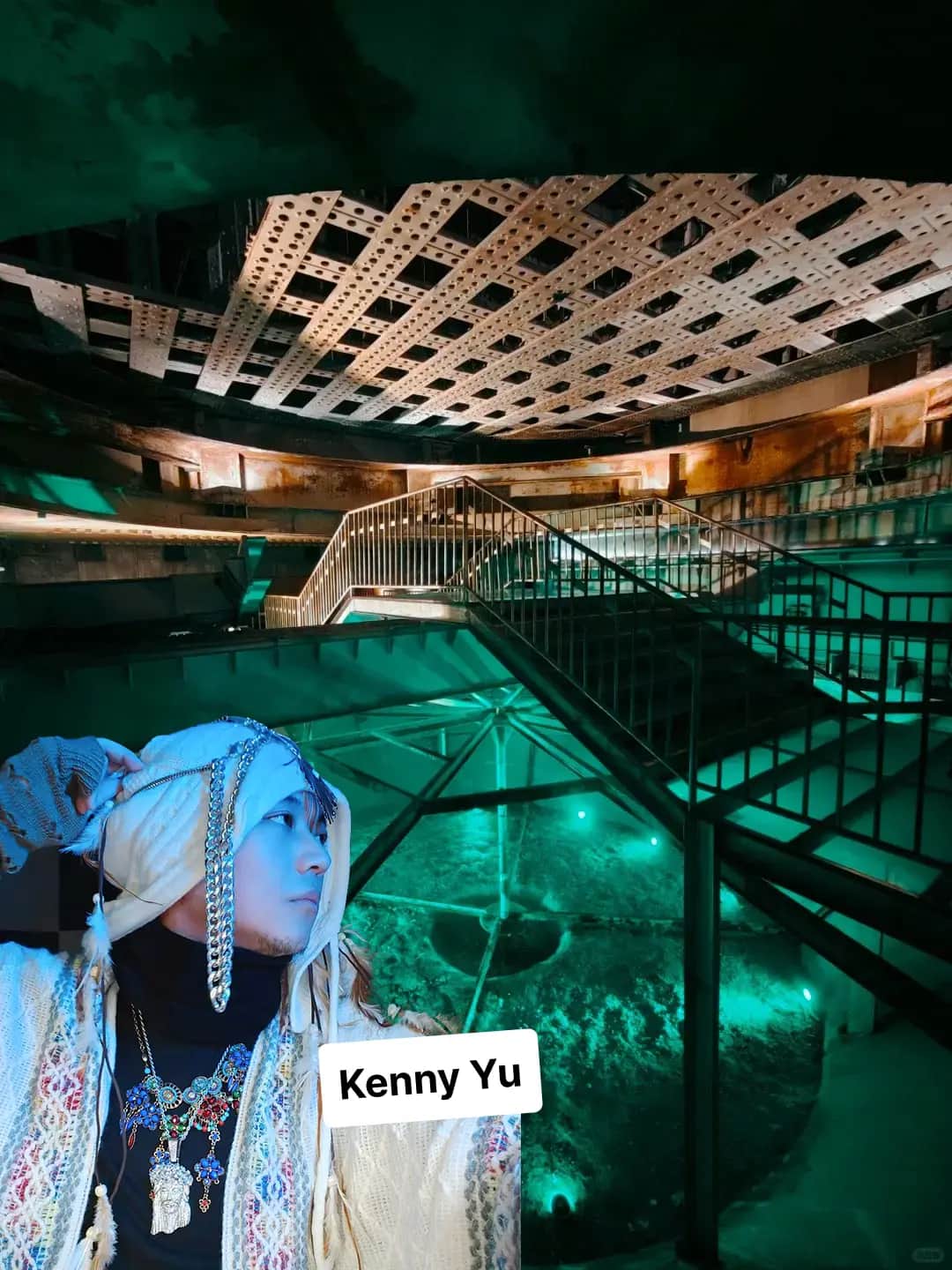
If you have extra time, consider watching Chongqing 1949, an immersive historical performance at the Chongqing 1949 Grand Theatre near Ciqikou Ancient Town.
Set in Chongqing in 1949, the show tells stories connected to the city's revolutionary history. Its large rotating stage and immersive theatrical design make it a different experience from exploring the ancient town's traditional streets and courtyards.
The performance lasts approximately 75 minutes. English and Indonesian translation devices are available at the theatre, making the show more accessible to international visitors.
Travel tip: Visit Ciqikou Ancient Town in the afternoon and watch the show afterward if the schedule works for your itinerary. Check the latest showtimes and book tickets in advance.