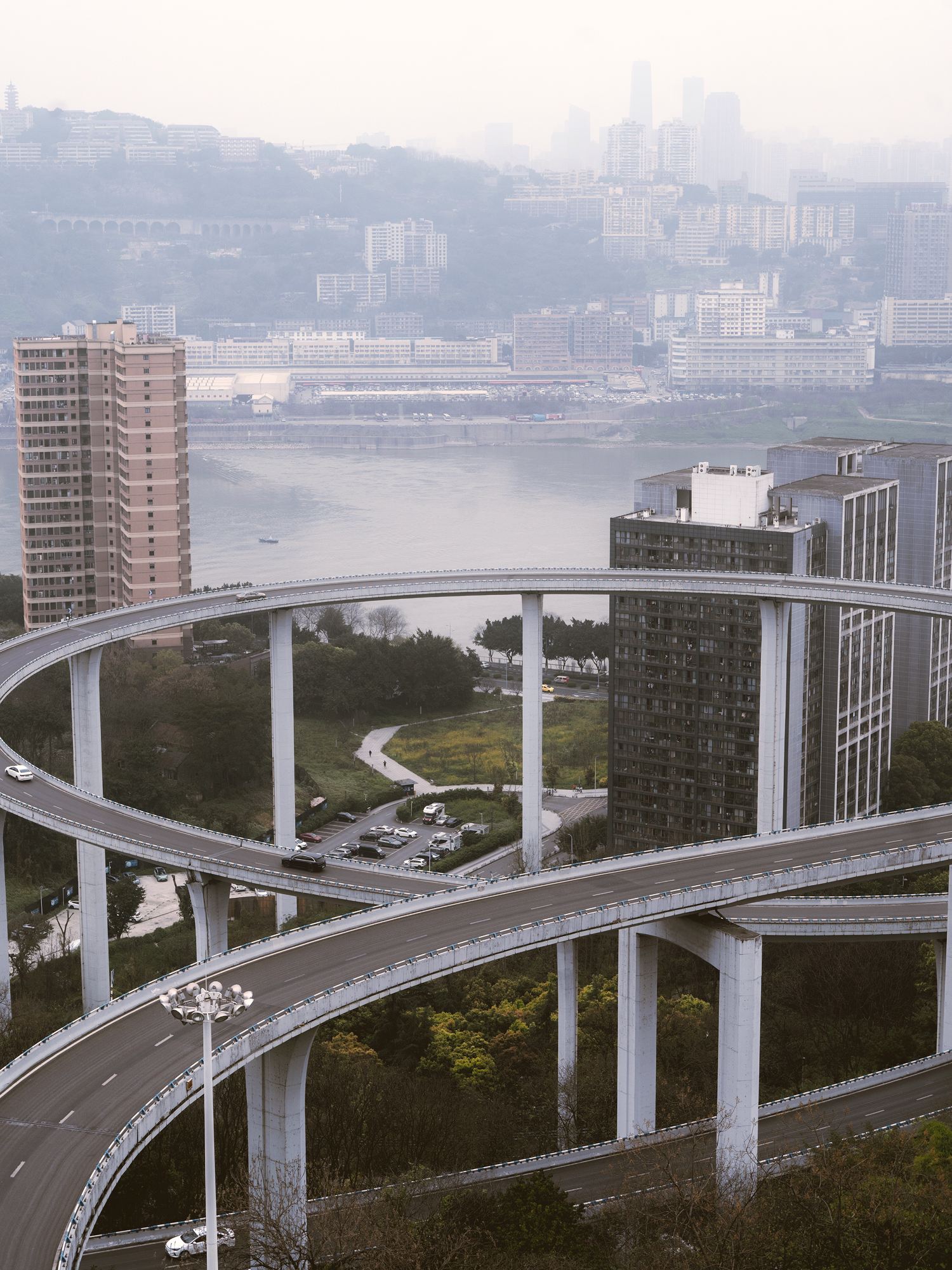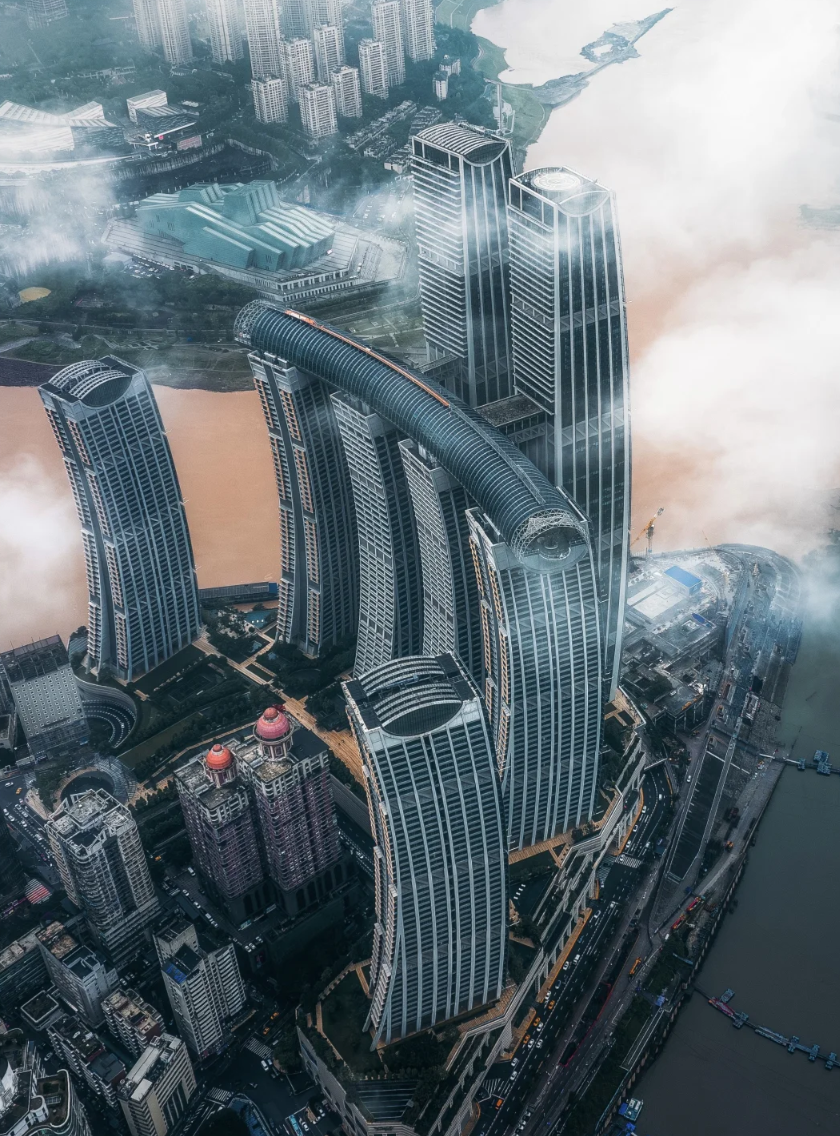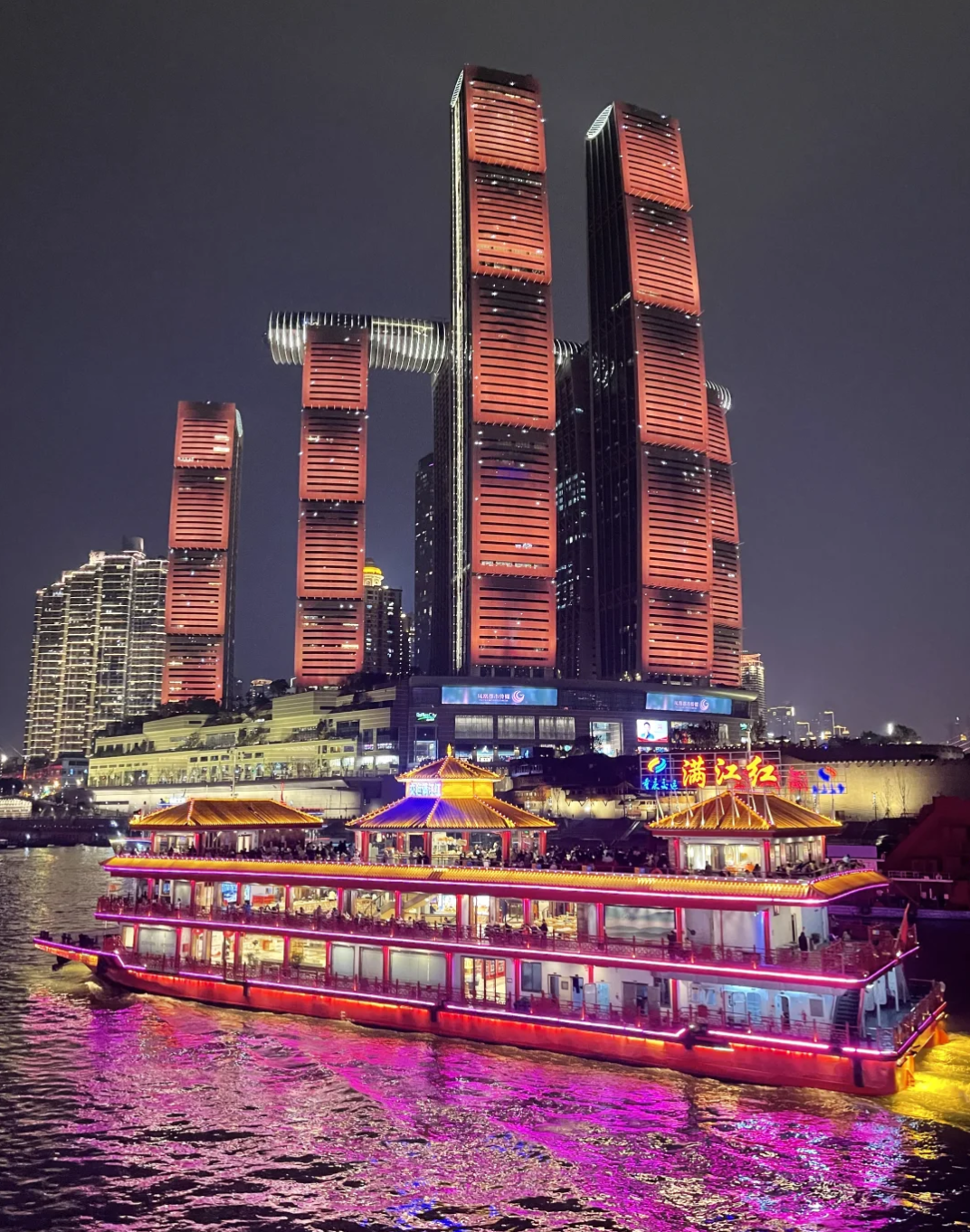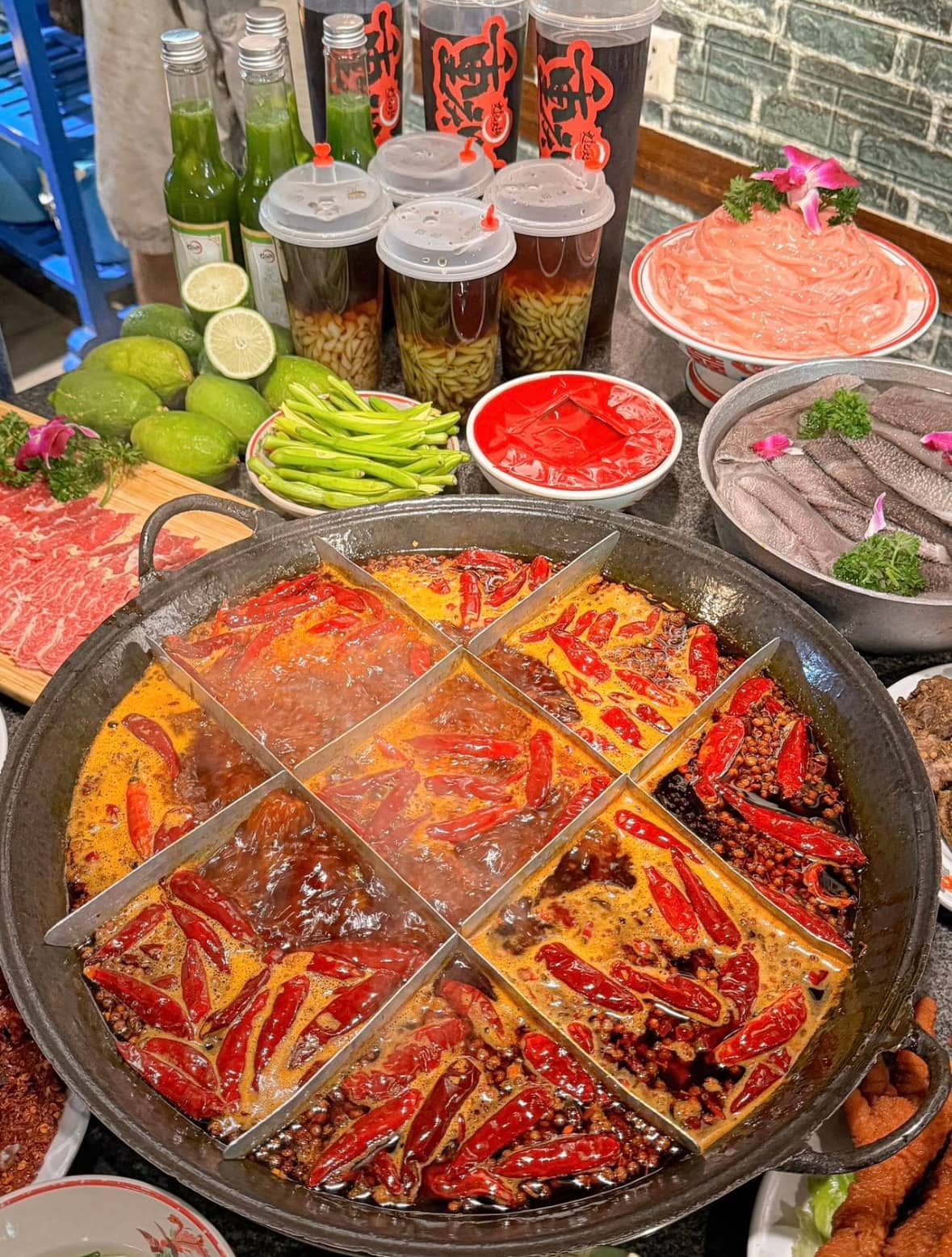
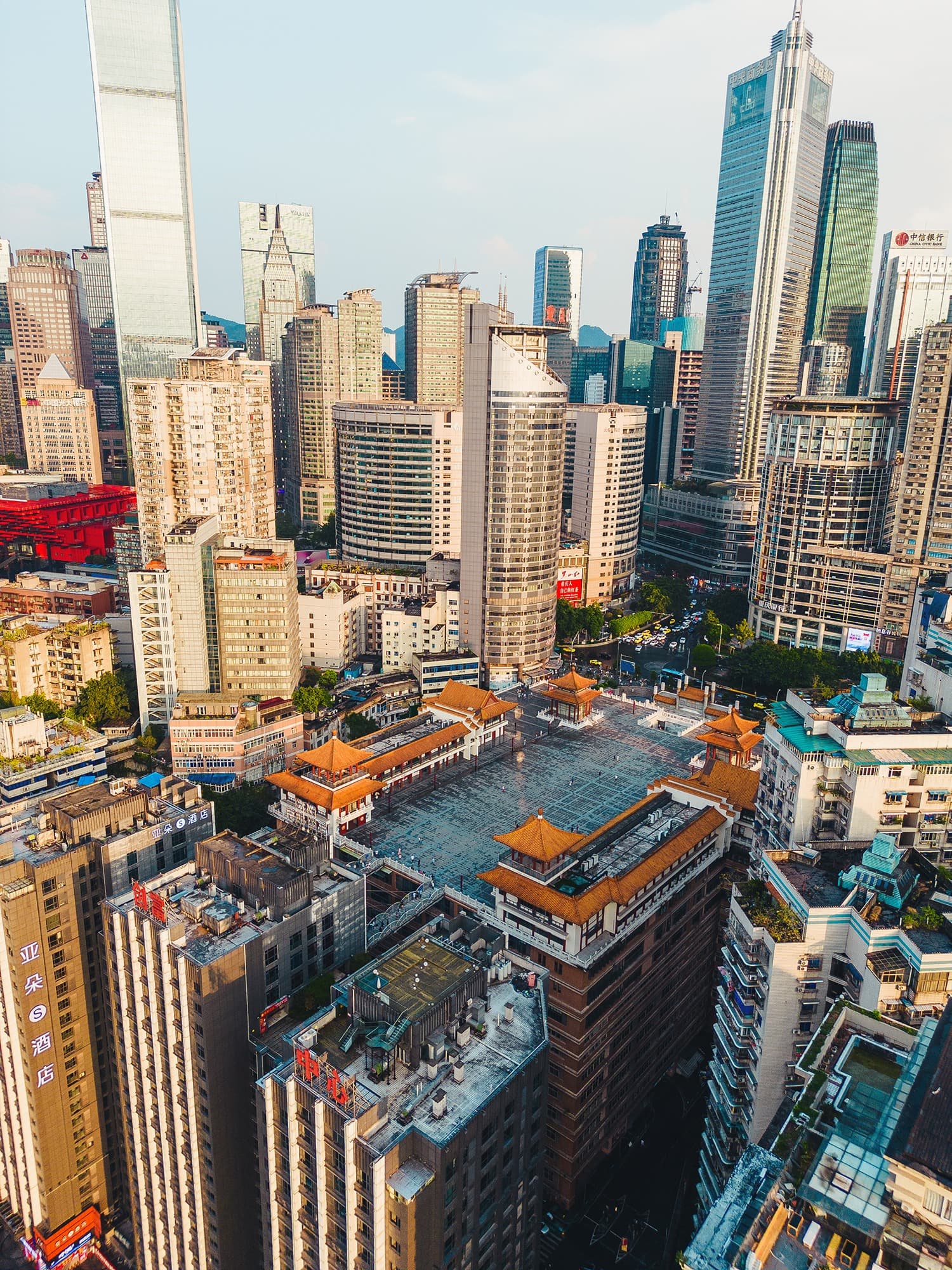
Chongqing is known for its dense urban layout, steep terrain, and layered transportation system. Streets exist at different elevations, and buildings connect directly to bridges, escalators, and rail lines. For visitors with limited time, a clear plan is important.
This 2 day Chongqing city itinerary focuses on the most representative areas within the urban core. It covers landmarks, viewpoints, local neighborhoods, and key transportation features. The goal is to help you understand how the city is structured and how daily life operates within it.
Day 1: Classic Landmarks and City Views
The first day introduces Chongqing through its most recognized locations. These stops help you understand the city’s geography and visual identity.
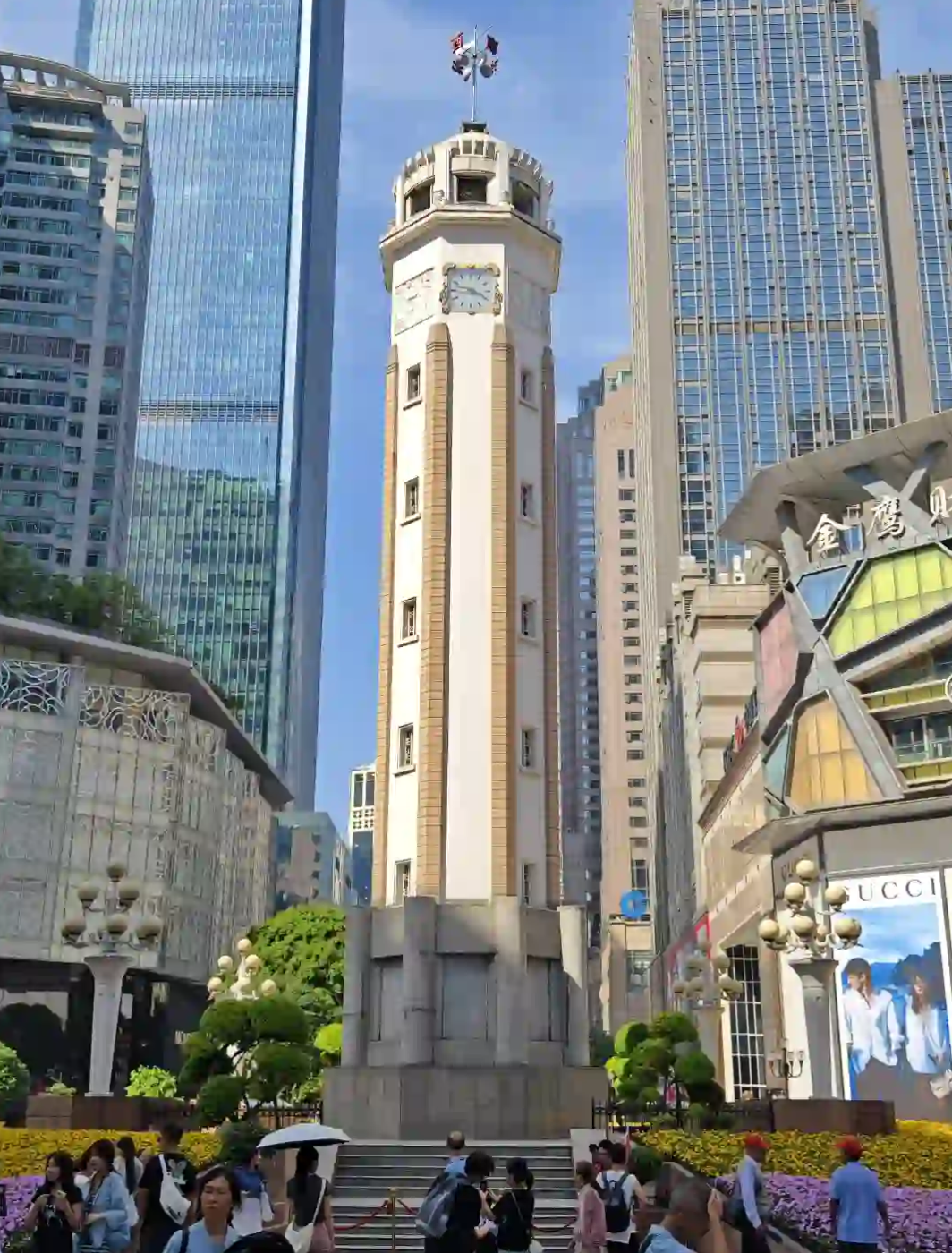
Jiefangbei
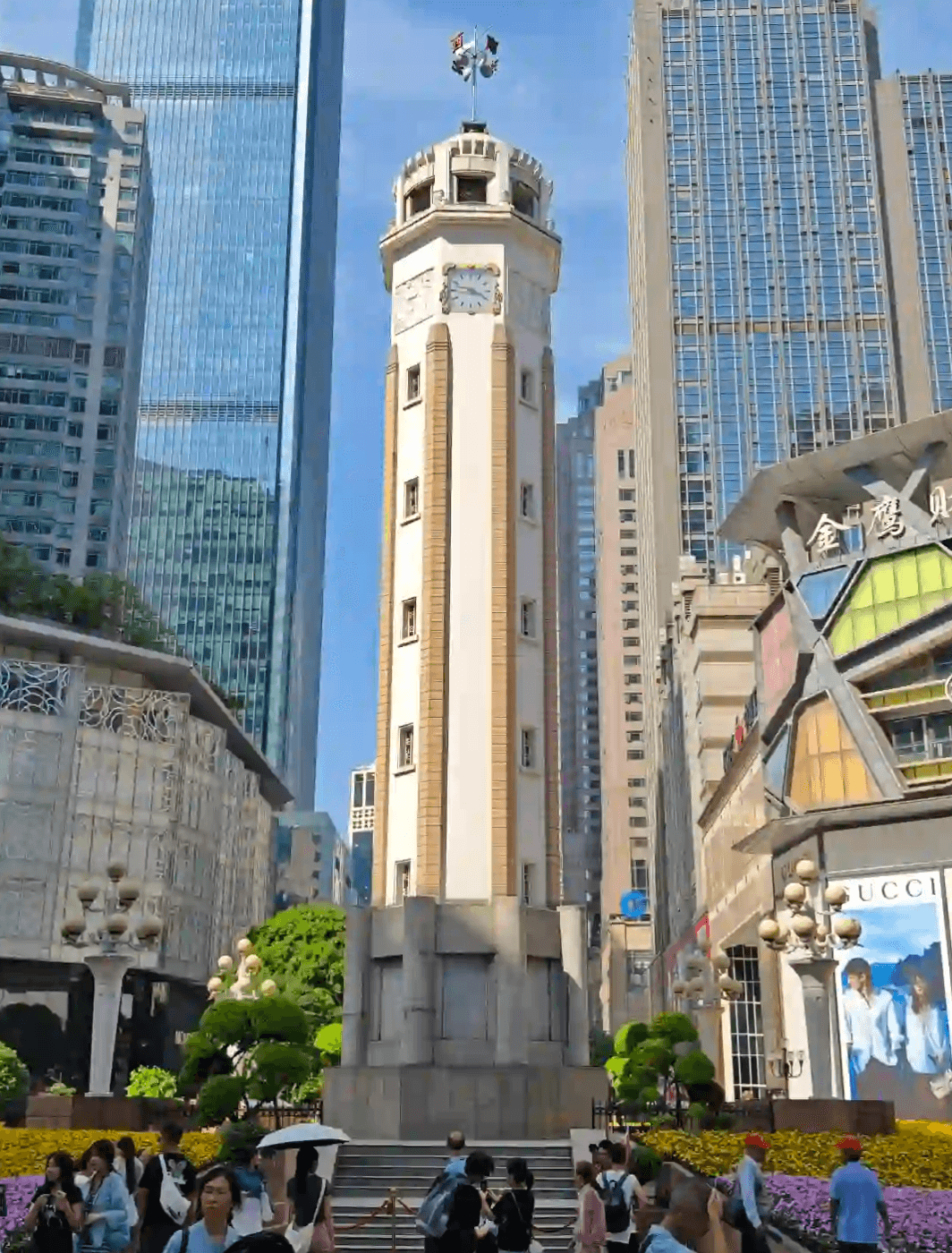
Start in Jiefangbei, the central business district. The area includes shopping malls, office towers, and restaurants. It is one of the busiest parts of the city and a common starting point for visitors.
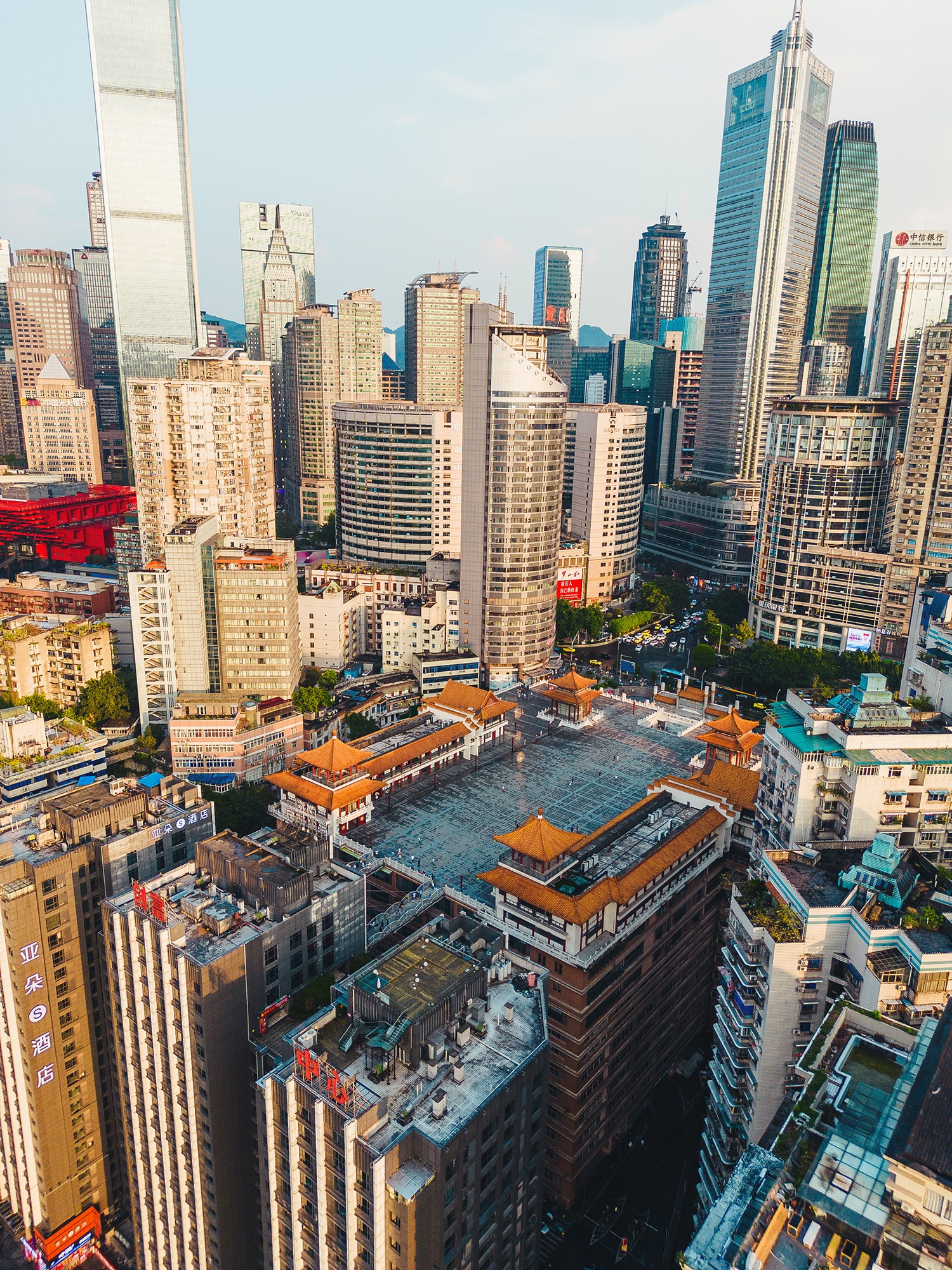
Kuixing Tower
Walk to Kuixing Tower. This location shows how Chongqing is built across different levels. From one entrance you are at street level, while another side opens to a much higher elevation. It is a clear example of the city’s vertical design.
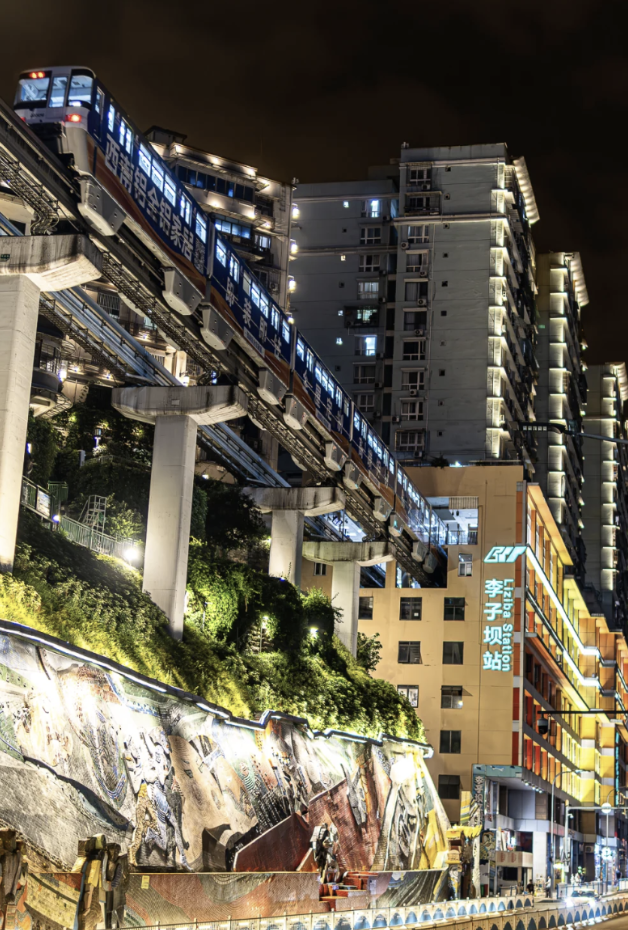
Liziba Station
Visit Liziba Station. The monorail passes through a residential building, which has become a well known feature of Chongqing. It reflects how infrastructure adapts to space limitations.
Eling Park
Go to Eling Park in the afternoon. From the top of the viewing tower, you can see the skyline, rivers, and bridges. This location provides a broad understanding of how the city spreads across hills and water.
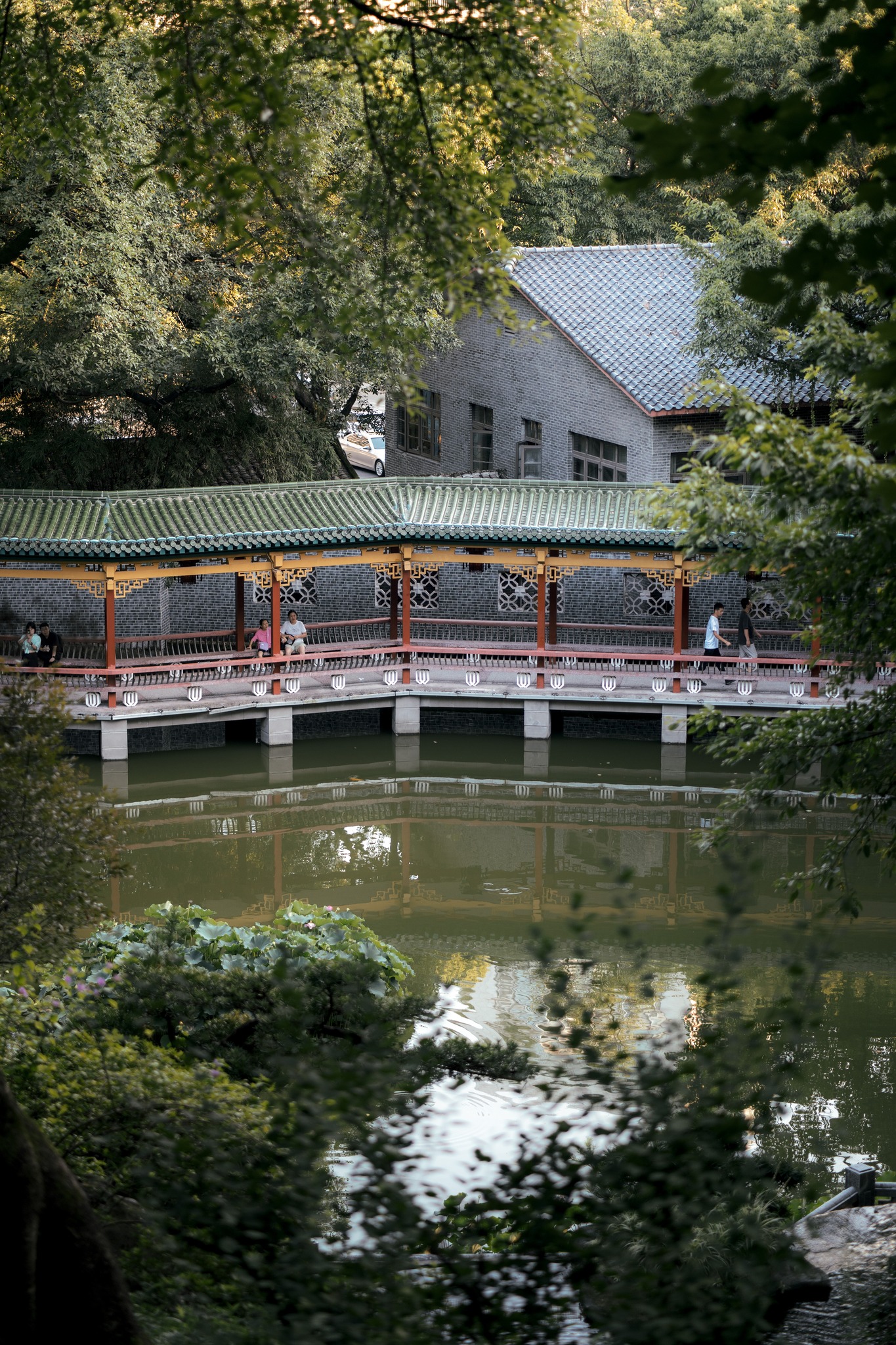
Xiahaoli
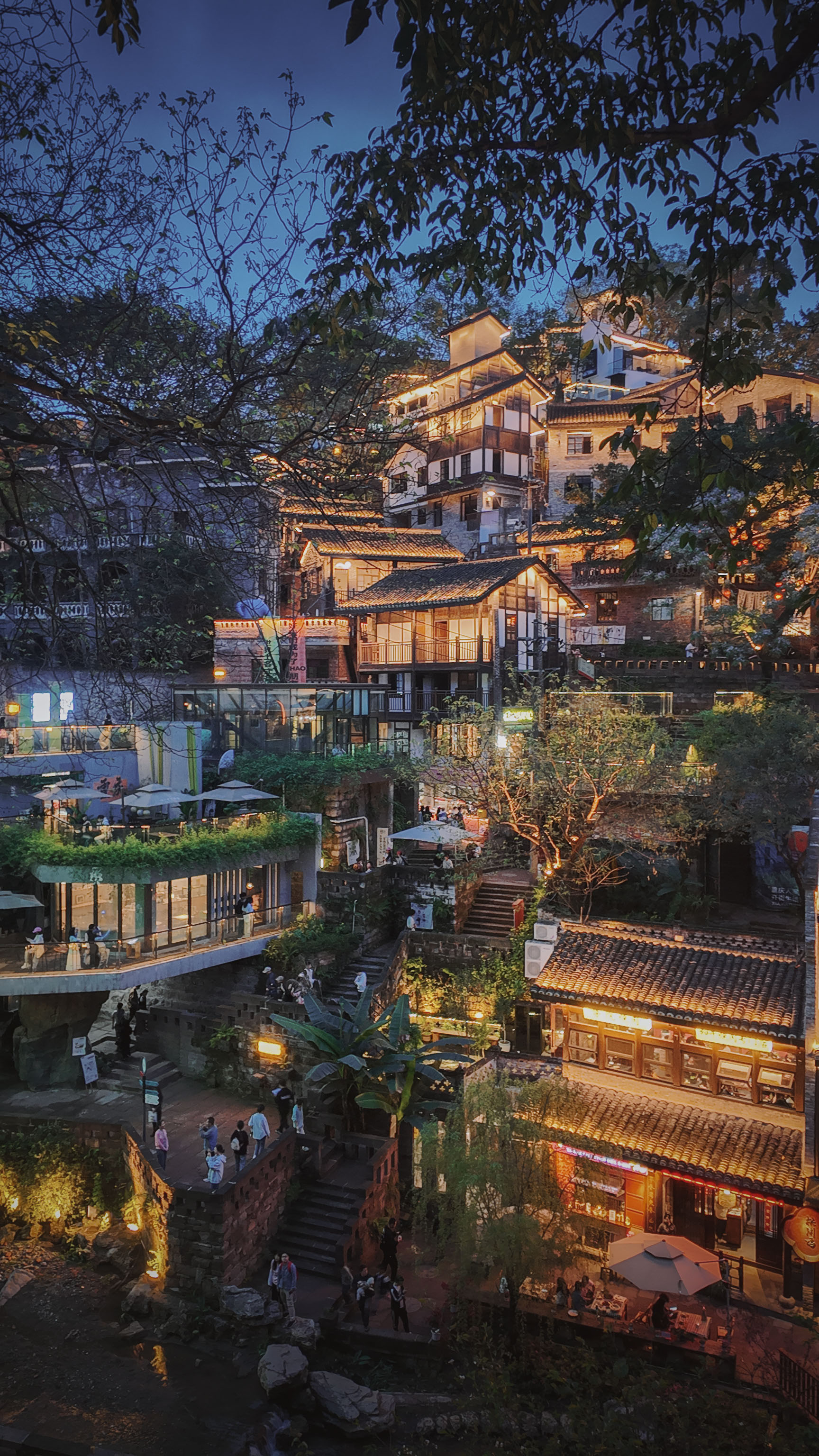
In the late afternoon, visit Xiahaoli. This is a renovated hillside neighborhood with narrow paths, shops, and cafés. It offers a slower pace compared to the central district.
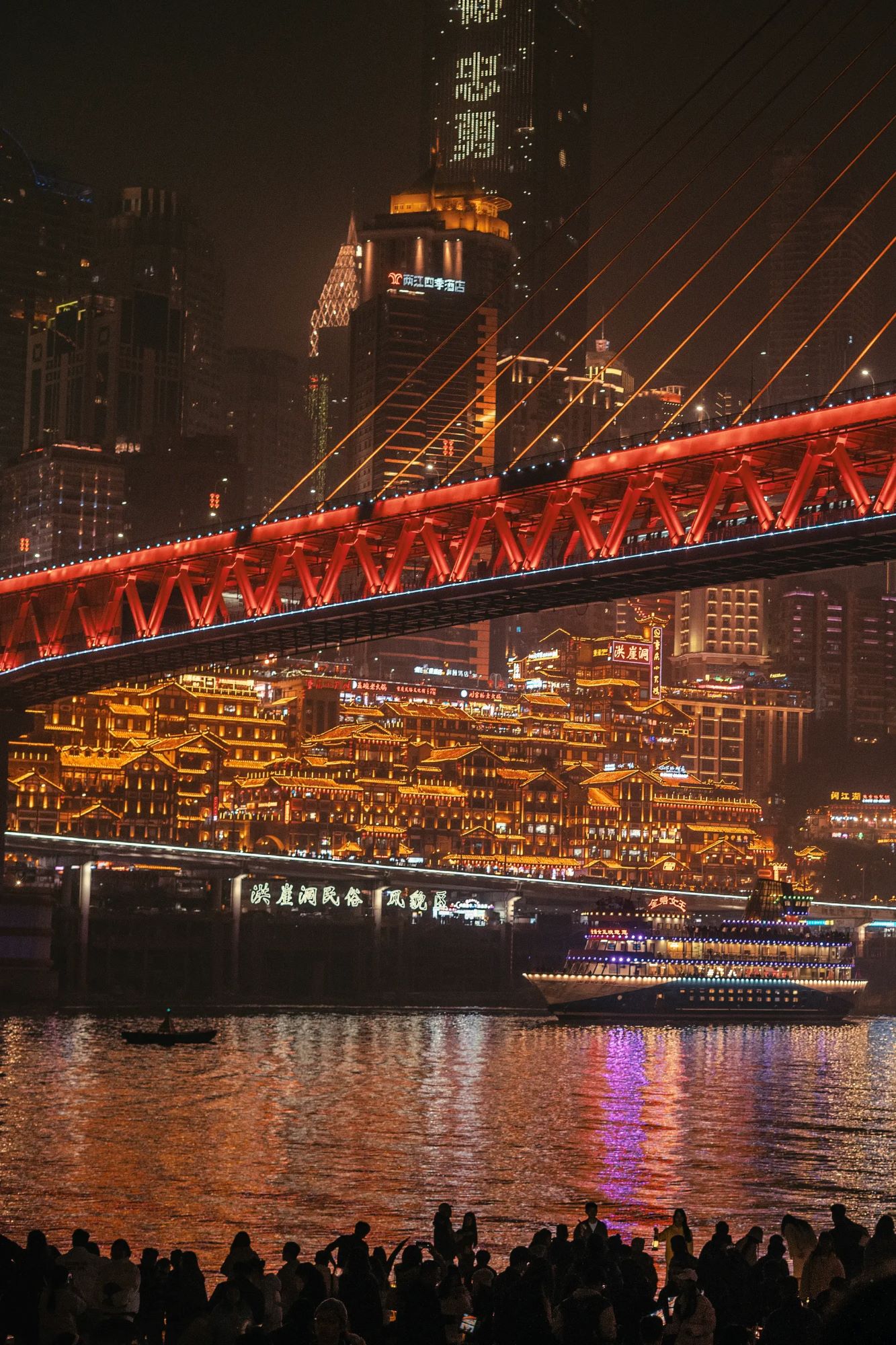
Diamond Plaza for Hongya Cave Night View
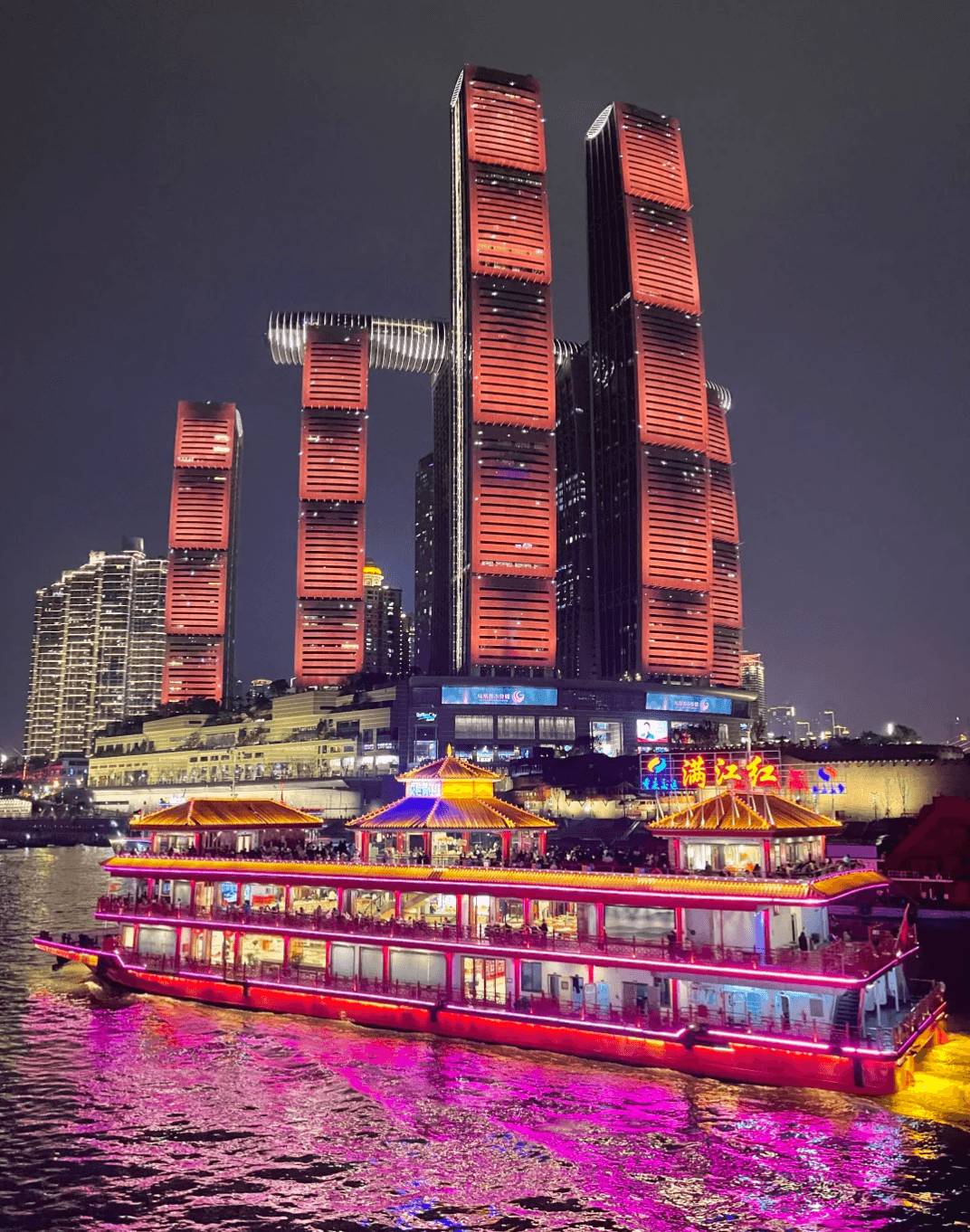
End the day at Diamond Plaza. From across the river, you can see Hongya Cave lit at night. The buildings are arranged along the riverbank and are one of the most recognized views in the city.
Day 1 Summary This day introduces Chongqing’s core landmarks and provides a clear understanding of its structure and skyline. We have a dedicated one day tour that covers these spots: