Main Attractions Inside Wenshu Monastery
1.Shanmen (Mountain Gate)
The Shanmen, or main gate, is your first view of Wenshu Monastery. Its red pillars, wooden carvings, and traditional roof tiles create a photogenic backdrop for visitors. This gate symbolizes entering a sacred realm, leaving behind the busy streets of Chengdu.
Tip: Visit early in the morning to capture the best photos with soft light and fewer crowds.
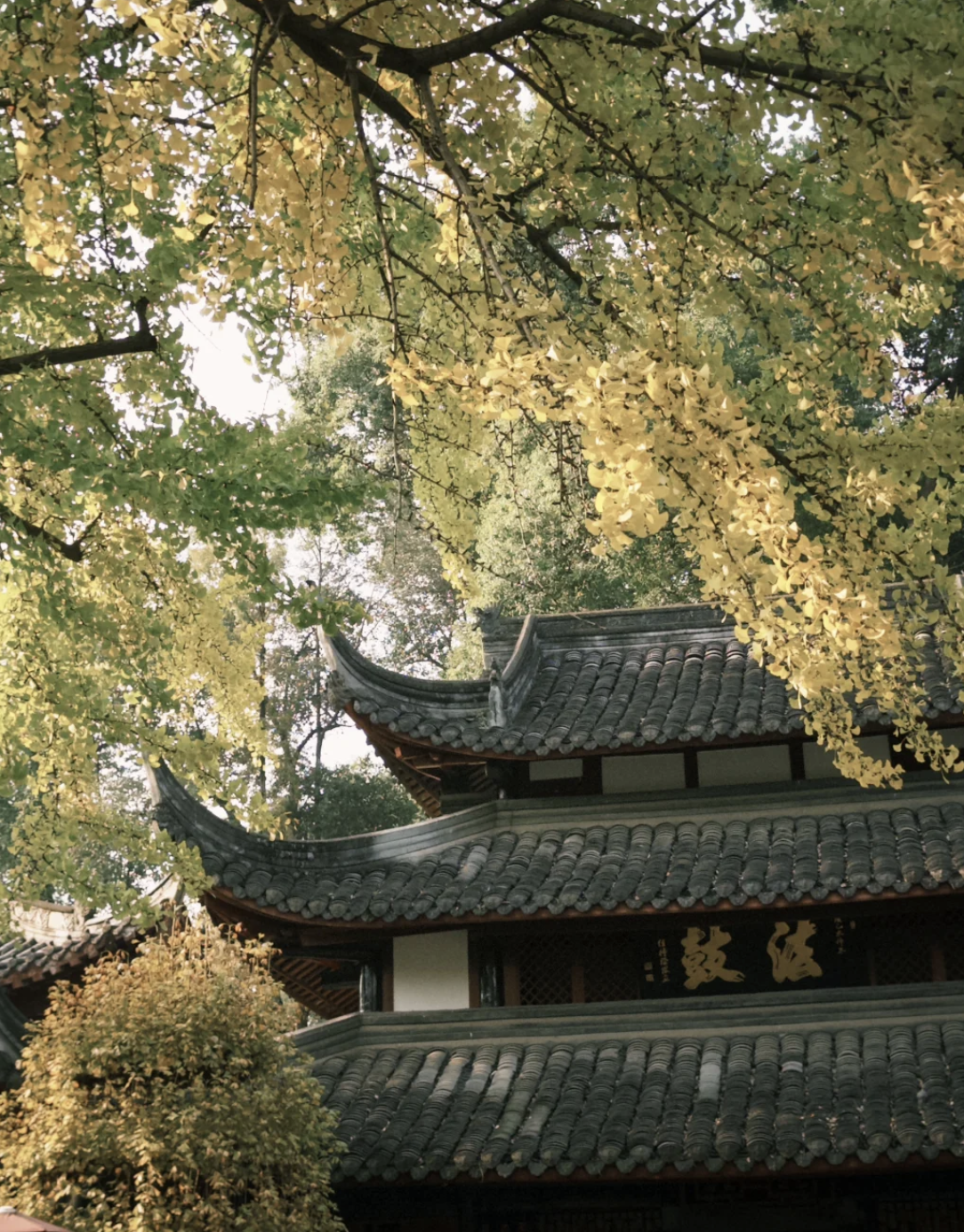
2.Hall of Heavenly Kings (天王殿)
Behind the gate stands the Hall of Heavenly Kings, where four guardian deities protect the temple from evil spirits. In the center, you’ll find a smiling statue of Maitreya Buddha (the Laughing Buddha), symbolizing happiness and good fortune.
Take a moment to bow or light incense here — it’s considered respectful and part of the local spiritual tradition.
3.Mahavira Hall (大雄宝殿)
This is the main prayer hall of Wenshu Monastery, where Sakyamuni Buddha, the founder of Buddhism, is enshrined. The hall’s ancient wooden structure and intricate gold detailing reflect traditional Sichuan architecture. Devotees come here to pray for peace, health, and prosperity.
If you visit during morning or noon prayer times, you may hear monks chanting sutras, creating a deeply calming atmosphere.
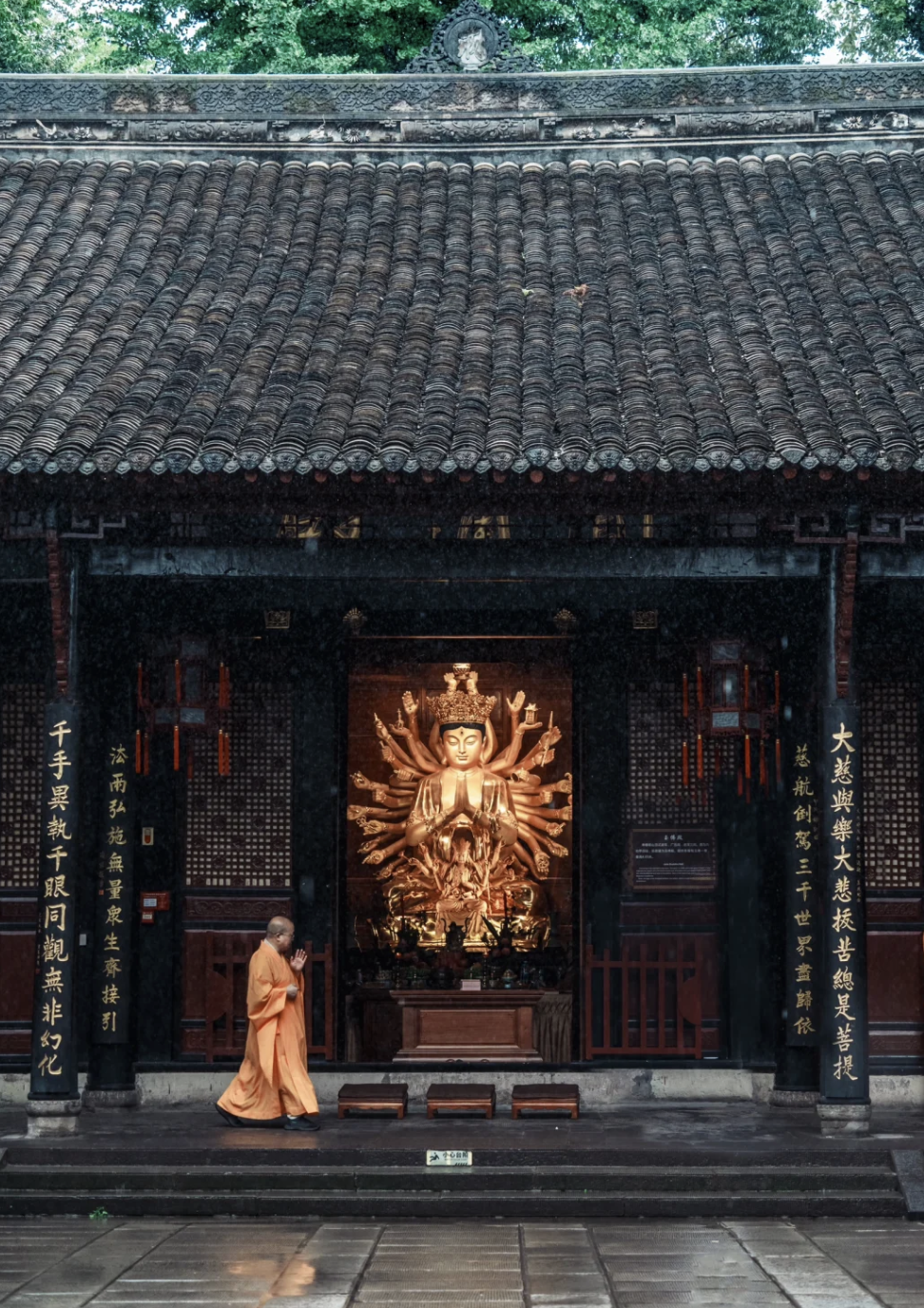
4.Sutra Library (藏经楼)
Though not always open to the public, the Sutra Library (藏经楼) houses an impressive collection of Buddhist scriptures, relics, and cultural artifacts. Some items date back hundreds of years, representing the long history of Buddhism in Sichuan. Occasionally, the library hosts special exhibitions or temple tours for visitors interested in Buddhist art and calligraphy.
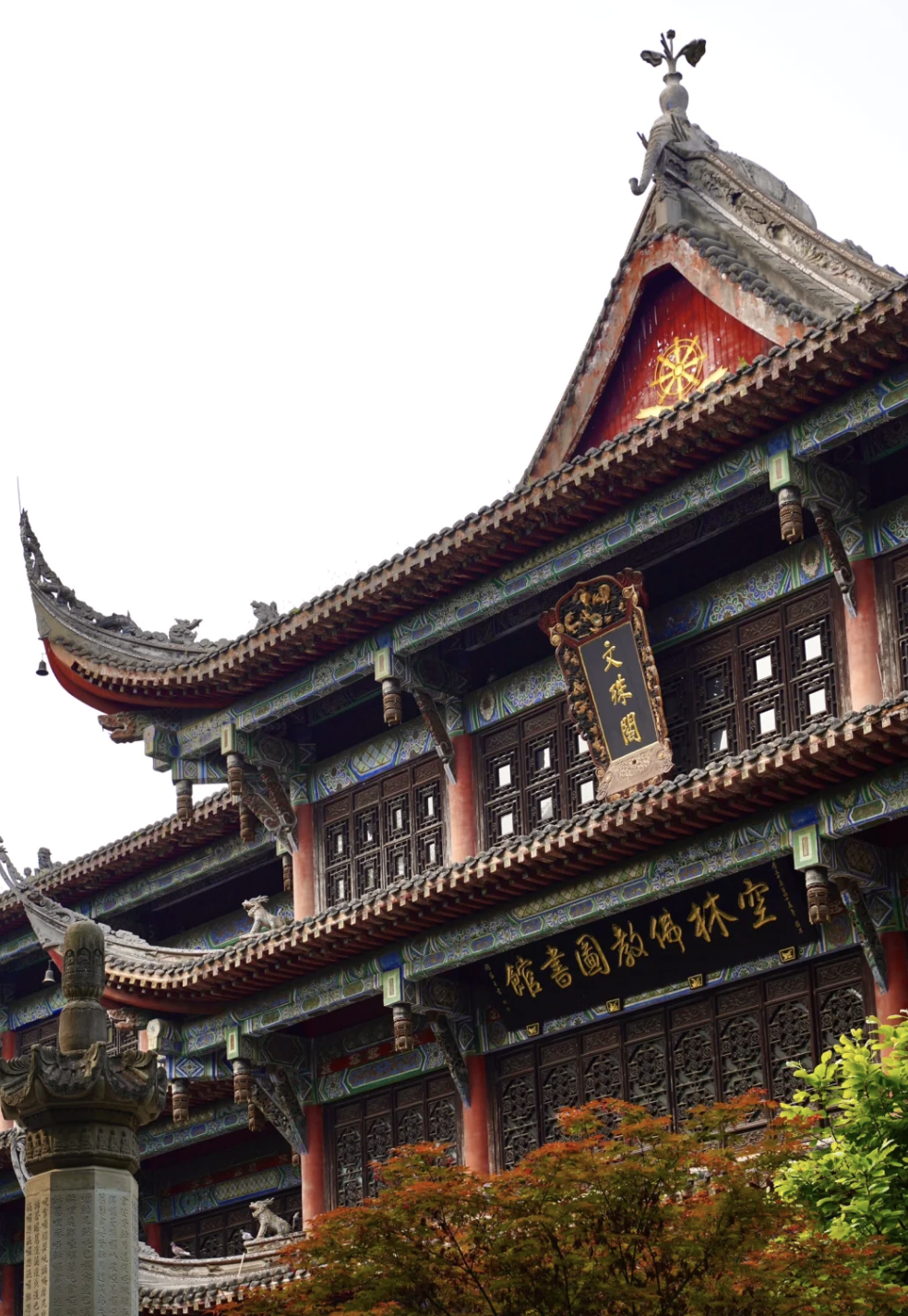
5.Wenshu Pavilion (文殊阁)
The heart of the monastery is the Wenshu Pavilion, dedicated to Manjushri Bodhisattva (文殊菩萨) — the embodiment of wisdom. Many visitors, especially students and professionals, come here to pray for clarity and knowledge before exams or important life decisions.
The incense here burns strong throughout the day, and the calm setting encourages quiet reflection. Don’t miss this hall — it’s one of the most spiritually charged places in Chengdu.
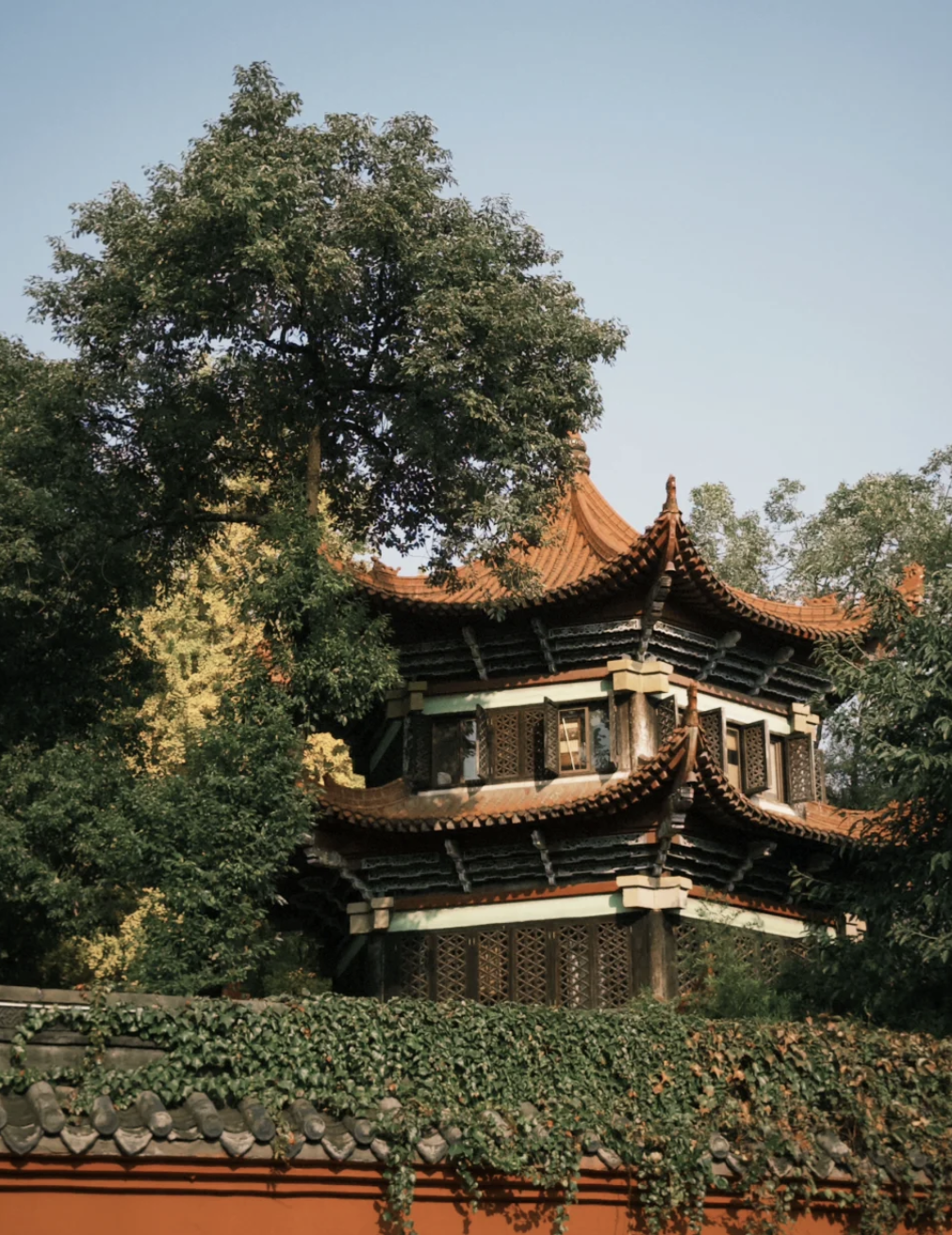
6.The Tea Garden
Beyond the temples, Wenshu Monastery’s tea garden is one of Chengdu’s hidden gems. Locals and monks alike gather under shady trees, sipping Gaiwan tea and chatting quietly. This is where you’ll truly experience Chengdu’s “slow life” culture — time seems to move slower here.
Order a pot of jasmine tea or green tea for around ¥25–¥30, sit back in a bamboo chair, and enjoy the simple beauty of daily life.
Local Experiences — What to Do at Wenshu Monastery
1.Burn Incense and Pray for Wisdom
Wenshu Monastery is one of the best places in Chengdu to experience authentic Buddhist prayer rituals. Visitors can pick up free incense at the entrance, bow three times before each hall, and make wishes for good fortune, health, or wisdom.
Even if you’re not religious, participating respectfully in this ritual can be a meaningful cultural experience.
2.Try Local Vegetarian Food
Right outside the monastery is the famous Wenshu Vegetarian Restaurant (文殊院素斋). It serves traditional Sichuan vegetarian dishes, many inspired by Buddhist temple cuisine. Expect flavorful dishes like:
Kung Pao “chicken” made from tofu
Mapo tofu with mushrooms
Lotus root soup
Everything is made without meat or strong seasonings like garlic or onions, following Buddhist dietary customs. The food is so good that even non-vegetarians often leave impressed.
3.Sip Tea Like a Local
The tea garden inside Wenshu Monastery is an essential stop. Locals spend hours here — reading, playing mahjong, or simply people-watching. Unlike modern cafés, there’s no rush.
Tip: Bring some small cash for tea, as mobile payments may not always be available inside the temple grounds.
4.Visit During Temple Festivals
If your visit coincides with major Buddhist holidays, like Buddha’s Birthday (usually in May) or Chinese New Year, you’ll experience lively temple fairs. The air fills with chanting, bells, and incense smoke, while vendors outside sell flowers, lanterns, and vegetarian snacks.
It’s one of the most culturally rich times to visit and photograph.
Nearby Attractions and Travel Tips
Explore the Wenshufang Cultural District
Right next to the monastery lies Wenshufang (文殊坊) — a pedestrian-friendly cultural street filled with teahouses, local snacks, and artisan shops. It’s an excellent place to buy souvenirs like silk fans, calligraphy brushes, or incense burners.
Don’t miss the small art galleries and cafes tucked inside renovated Qing Dynasty buildings.
Other Nearby Sights
If you have more time, consider visiting these spots:
Kuanzhai Alley (宽窄巷子): 3 km away — a blend of historic courtyards and trendy boutiques.
Jinli Street (锦里): 4 km away — perfect for evening strolls and Sichuan street food.
Du Fu Thatched Cottage (杜甫草堂): 5 km away — a peaceful garden and museum honoring China’s greatest poet.
All are easily reachable by metro or taxi within 15 minutes.
Visitor Tips
Best Time to Visit: Morning (8–11 AM) when incense smoke drifts through the courtyards and crowds are small.
Dress Modestly: Shoulders and knees covered, as it’s an active temple.
Noise Etiquette: Keep voices low; monks live and meditate here.
Photography: Allowed in most areas, but avoid flash inside the halls.
Budget: Most experiences — tea, food, souvenirs — cost under ¥50–¥100 per person.
FAQs About Wenshu Monastery
1.Is Wenshu Monastery free to enter?
Yes! Admission is completely free, and no reservation is needed.
2.How can I reach Wenshu Monastery?
Take Metro Line 1, exit at Wenshu Monastery Station (Exit K), and walk about 5 minutes.
3.Can foreigners participate in temple rituals?
Yes. Visitors are welcome to burn incense and bow respectfully; just follow the locals’ lead.
4.What is the best time of year to visit?
Spring and autumn offer pleasant weather and fewer crowds.
5.Is there food available inside the monastery?
There’s a small tea garden inside and several vegetarian restaurants just outside the gates.