Shenzhen is one of the most advanced technology cities in the world. The city hosts major companies in artificial intelligence, robotics, and autonomous driving. Because of this technology ecosystem, Shenzhen has become one of the main testing grounds for driverless vehicles in China.
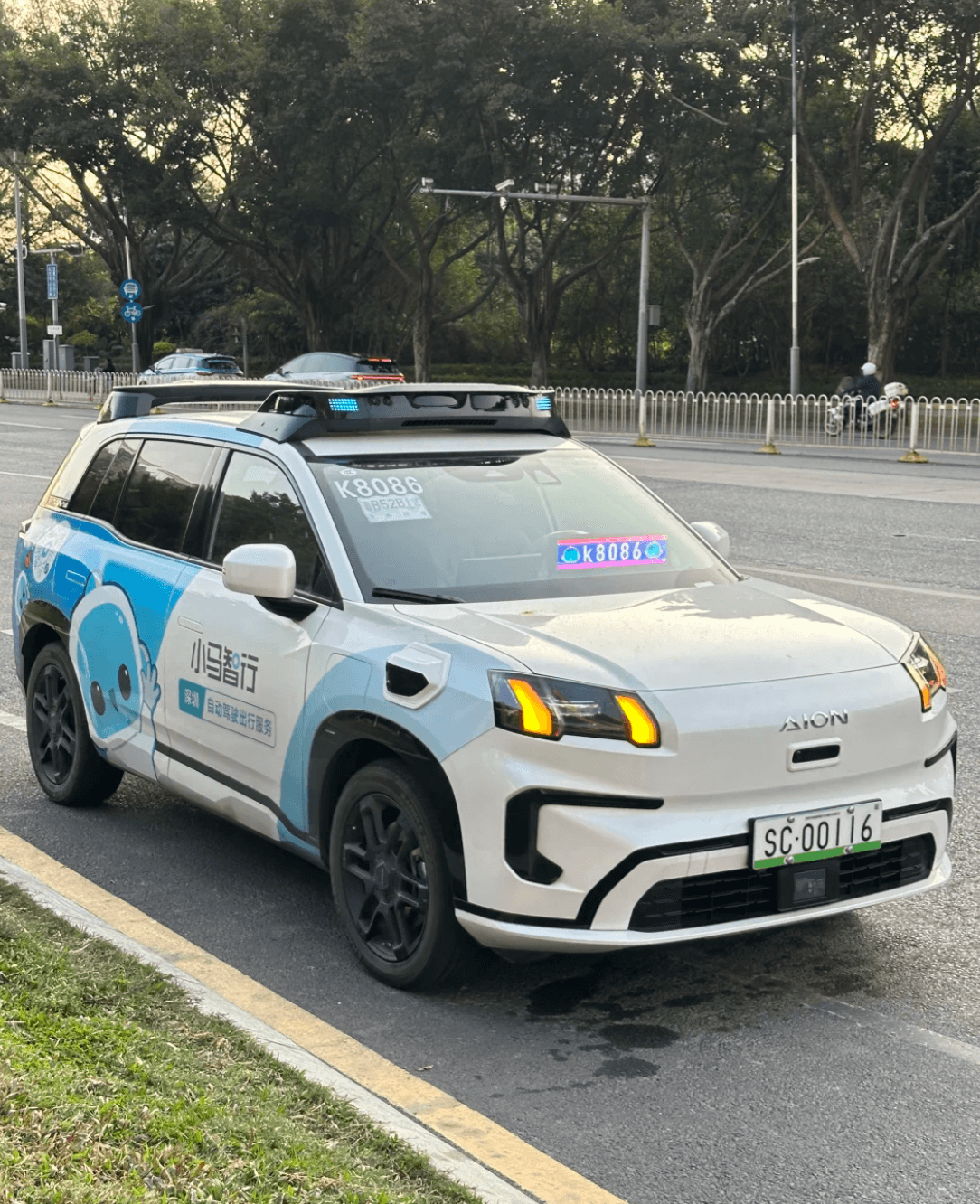
Visitors to the city now have the chance to ride in autonomous taxis. These vehicles drive using sensors, cameras, radar systems, and artificial intelligence instead of a human driver. The system controls steering, acceleration, and braking while monitoring traffic and pedestrians.
For many travelers this becomes one of the most interesting technology experiences in Shenzhen. Sitting inside a vehicle that drives itself through city streets gives a clear look at how transportation may work in the future.
This guide explains where driverless taxis operate in Shenzhen, how to book a ride, what the experience is like, and what visitors should know before trying it.
Where Driverless Taxis Operate in Shenzhen
Autonomous taxis in Shenzhen currently operate in several designated districts. These areas provide controlled environments where companies test and expand self driving services.
Two major companies operate robotaxi services in Shenzhen.
Baidu Apollo Go Robotaxis
Baidu runs one of the largest autonomous driving programs in China. The service is called Apollo Go and in Chinese it appears as Luobo Kuaipao.
In Shenzhen this service operates mainly in three areas.
Pingshan District
Nanshan District
Parts of Bao’an District
These areas include modern roads and technology parks where autonomous vehicles operate safely. Many of the test routes connect residential areas, business districts, and metro stations.
Apollo Go robotaxis usually operate daily from 07:00 to 23:00.
Each vehicle normally allows up to three passengers.
Pony.ai Robotaxis
Another major autonomous driving company operating in Shenzhen is Pony.ai.
Its robotaxi service mainly operates in the Qianhai area. This district sits between Nanshan and Bao’an and has become a major testing ground for autonomous driving technology.
The service area covers parts of Nanshan District and Bao’an District around Qianhai.
Pony.ai robotaxis usually operate between 08:30 and 22:30.
Like Apollo Go vehicles, these cars usually allow up to three passengers.
Autonomous Buses in Qianhai
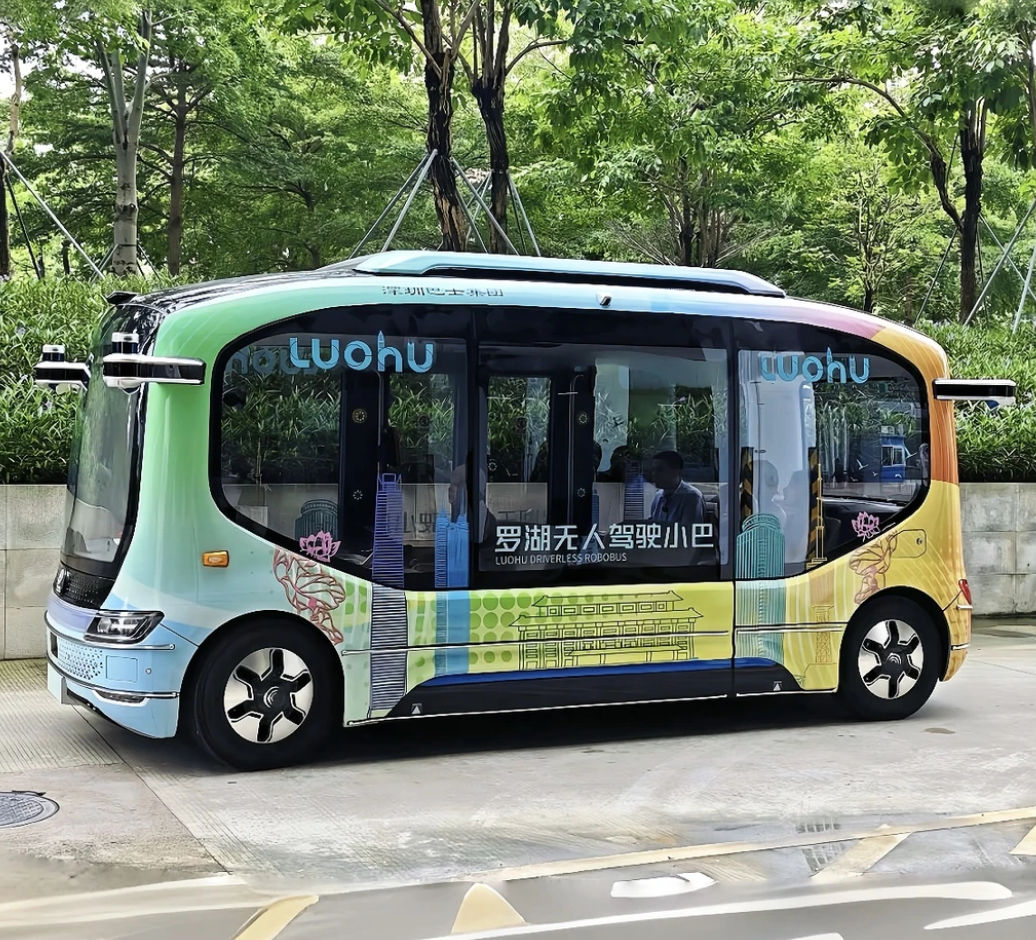
In addition to robotaxis, Shenzhen also operates autonomous buses in parts of Qianhai.
These vehicles run along fixed routes and provide another example of self driving public transport in the city.
While most visitors focus on robotaxis, these buses show how the technology is expanding into different types of transportation.
How to Book a Driverless Taxi in Shenzhen
Booking a robotaxi in Shenzhen works similarly to booking a normal ride hailing service.
Different companies use different apps.
Booking Baidu Apollo Go
Apollo Go robotaxis are usually booked through Baidu Maps.
Open the Baidu Maps app and choose the ride hailing option. Inside the ride menu users can select the driverless taxi service.
Enter the pickup location and destination just like a normal taxi request.
Once the order is confirmed the system assigns the nearest autonomous vehicle.
The app shows the vehicle location and estimated arrival time.
Booking Pony.ai Robotaxis
Pony.ai operates its own ride hailing platform.
Users open the Pony.ai mobility app and request a robotaxi within the service area.
After entering the pickup point and destination the system dispatches an available autonomous vehicle.
Pickup Process
When the robotaxi arrives passengers receive a notification through the app.
Passengers unlock the car through the app or the screen inside the vehicle.
After boarding, the system confirms the destination and the vehicle begins driving automatically.
The experience works very similar to regular ride hailing services in China.
What the Driverless Taxi Experience Is Like
Riding in a driverless taxi feels both familiar and unusual at the same time.
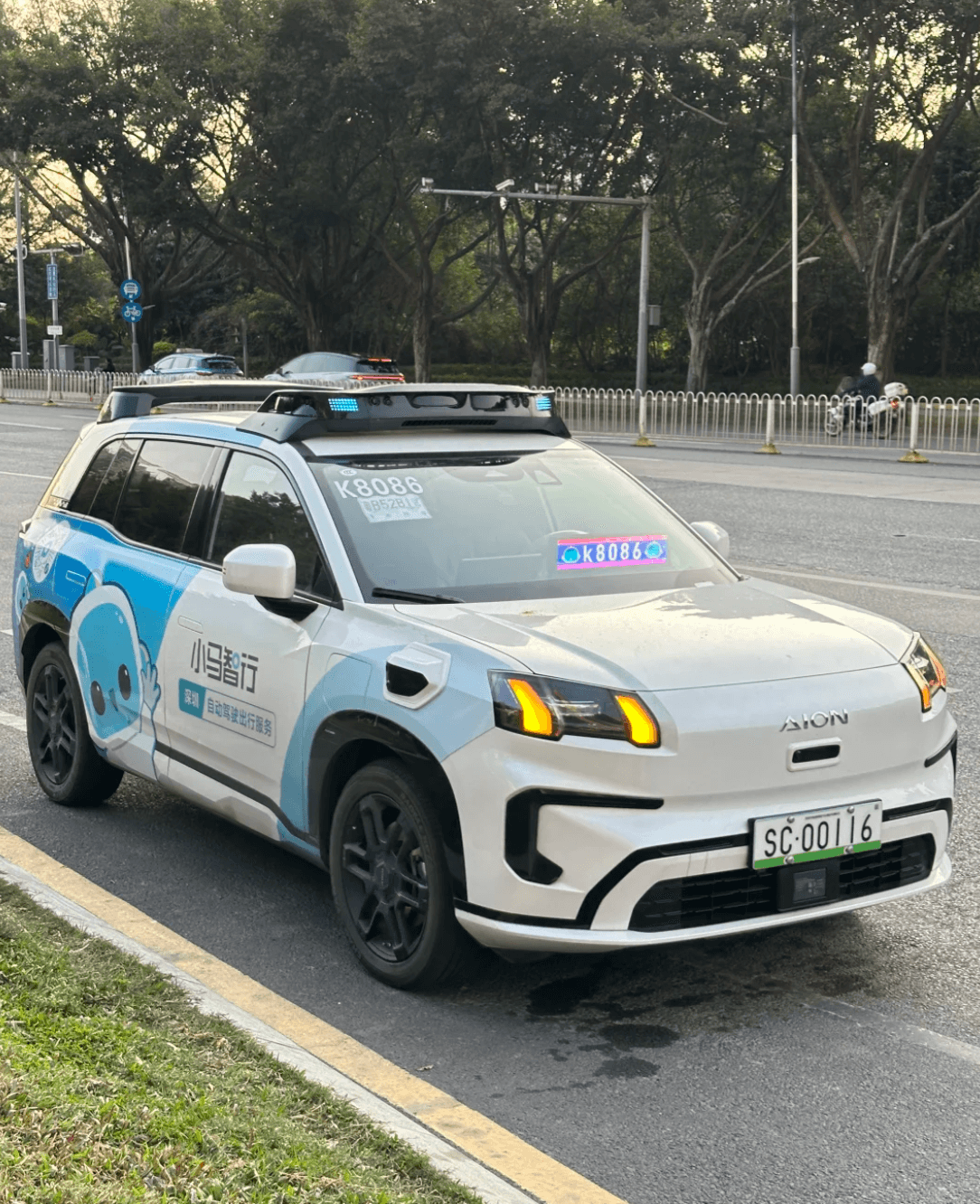
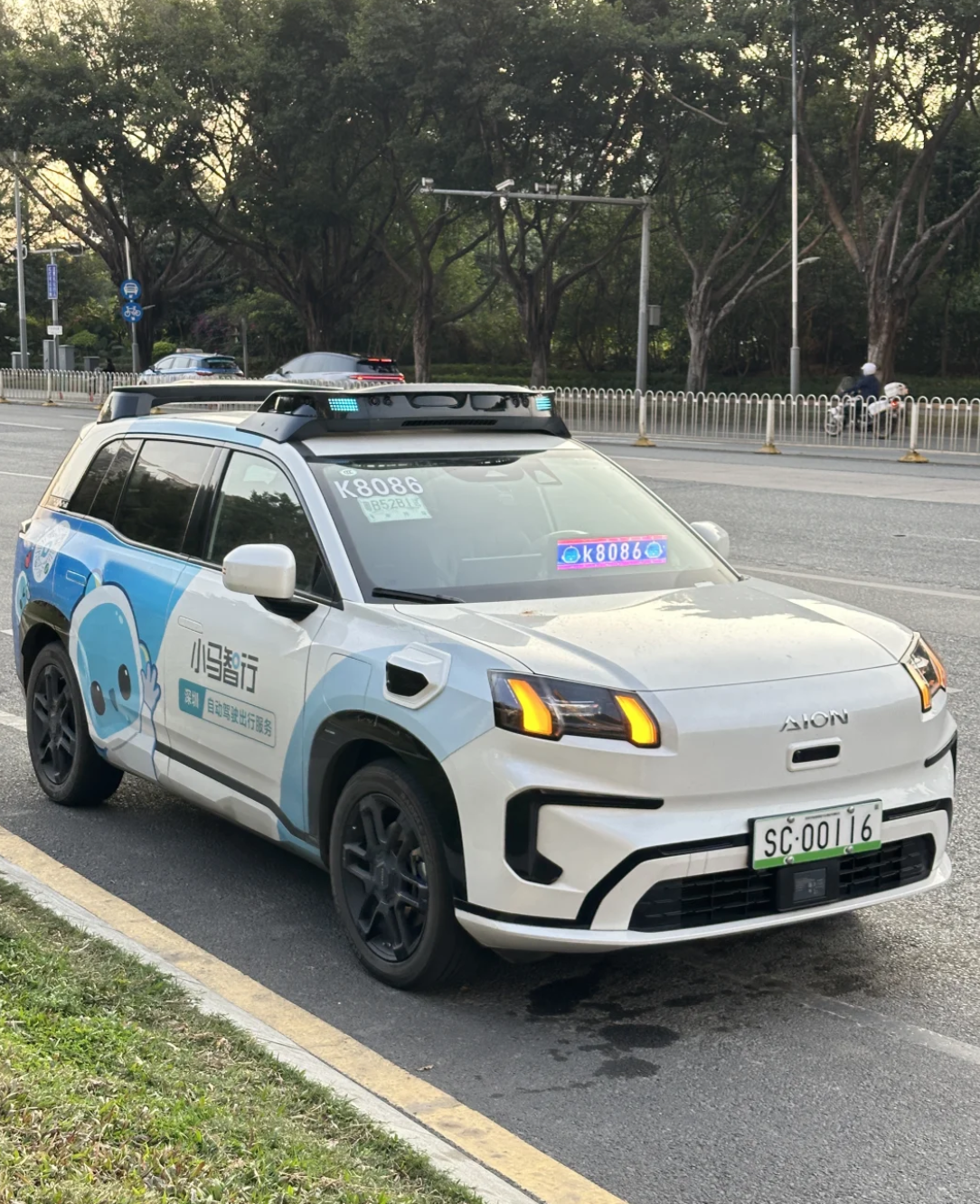
From the outside the vehicles look similar to normal cars, but they include visible sensors mounted on the roof and around the body. These sensors scan the road environment and help the vehicle understand its surroundings.
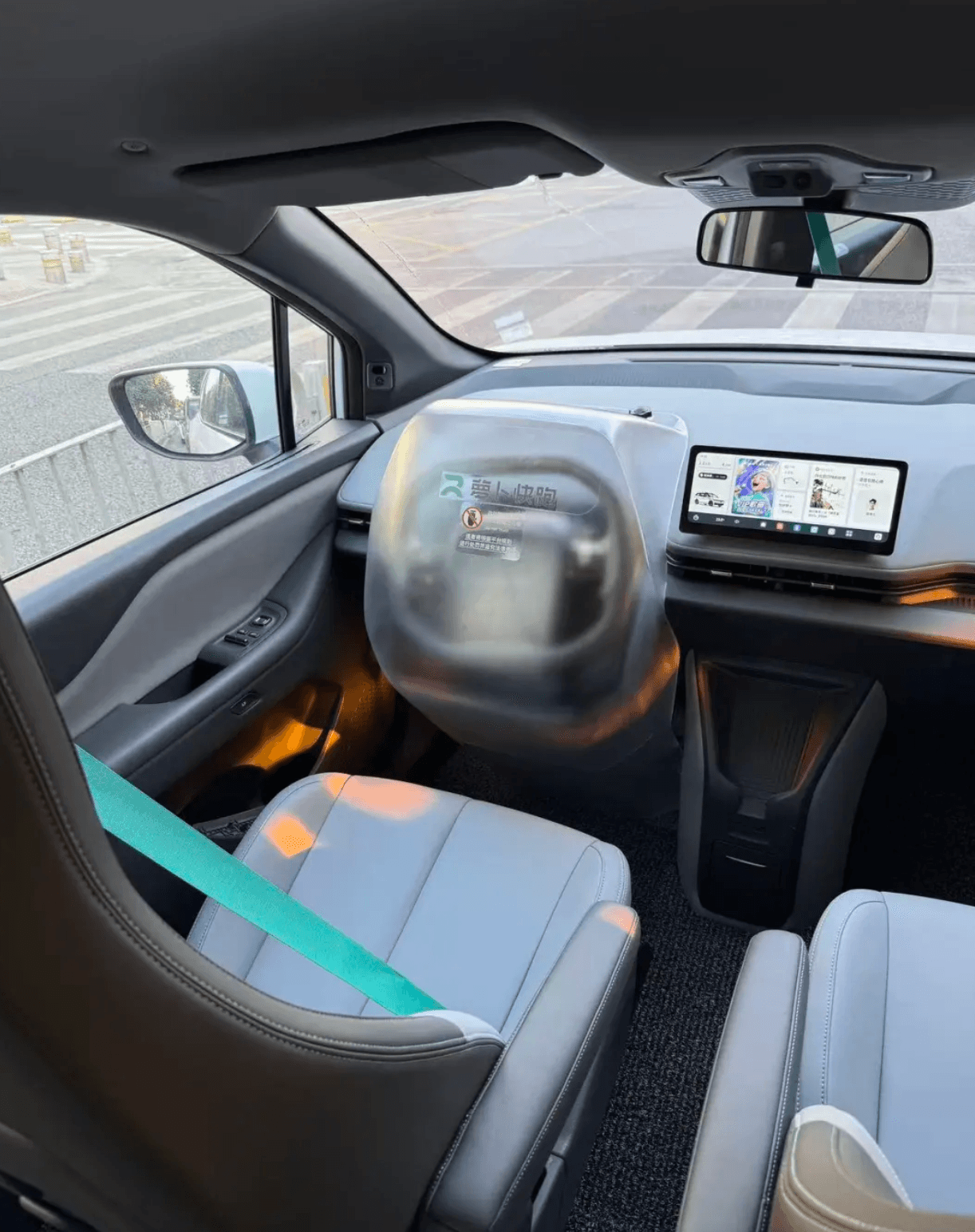
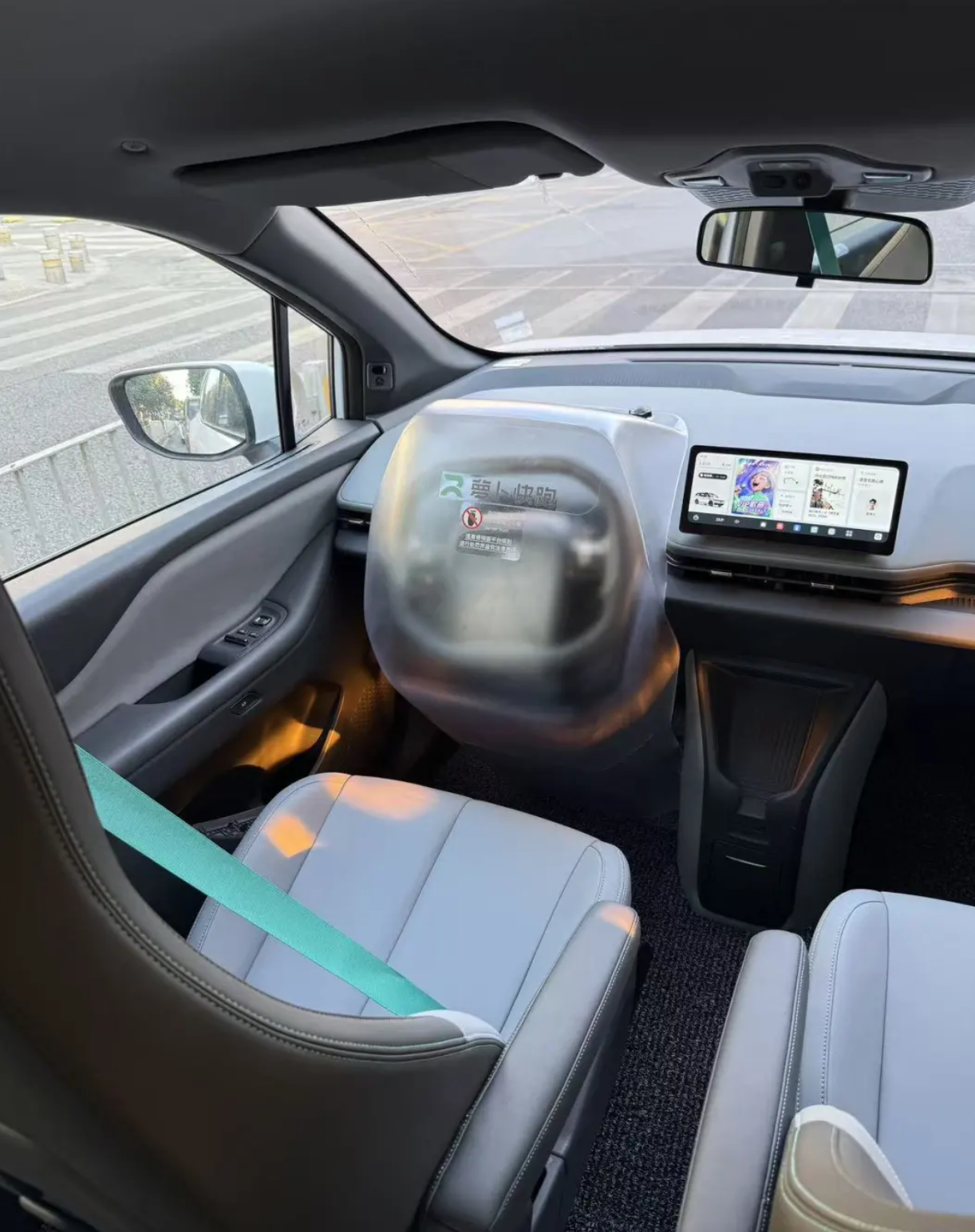
Inside the car passengers usually find a display screen that shows route information and system status.
Once the ride begins the vehicle accelerates smoothly and follows traffic rules like a human driver.
The system reads traffic lights, detects pedestrians, and changes lanes when needed.
In many vehicles a safety operator may still sit in the driver seat during the testing phase. This person monitors the system and can take control if necessary.
However the car performs most driving actions automatically.
Passengers often watch how the vehicle reacts to traffic conditions. The car slows near intersections, stops for pedestrians, and adjusts speed according to surrounding vehicles.
For many visitors the most interesting part of the ride is watching the steering wheel move without anyone touching it.
The ride usually feels calm and controlled. Most trips last ten to twenty minutes depending on distance.
Recommended Way for Visitors to Try Robotaxis
The easiest way for travelers to experience driverless taxis is in the Nanshan or Qianhai areas.
These districts sit close to many popular attractions and technology parks.
A simple plan is to travel to Nanshan by metro and request a robotaxi for a short trip inside the service zone.
For example, visitors can request a ride between a metro station and a nearby park, shopping area, or waterfront location.
Short trips allow visitors to focus on the experience rather than transportation.
Travelers interested in technology often record the ride to capture the moment when the vehicle drives itself through city traffic.
Many visitors also take photos of the sensors and autonomous driving equipment mounted on the vehicle.
Things to Know Before Riding a Driverless Taxi
Driverless taxi services in Shenzhen only operate in designated areas. Travelers must be inside the service zone in order to request a ride.
These services usually require Chinese ride hailing apps or map apps.
In many cases account registration requires a Chinese mobile phone number.
Passenger capacity is limited. Most vehicles allow a maximum of three passengers.
Because the service operates as a technology test program, availability may vary depending on time of day or demand.
Despite these limitations the experience remains one of the most unique activities available in Shenzhen.
Few cities in the world allow visitors to ride in autonomous taxis on real streets. Shenzhen offers a rare chance to see the future of urban transportation in action.
For travelers interested in technology, artificial intelligence, or innovation, riding a driverless taxi becomes a memorable highlight of a Shenzhen visit.