Day 2: Leshan Giant Buddha Day Trip
Day 2 focuses on a major historical and religious site near Chengdu.
Leshan Giant Buddha
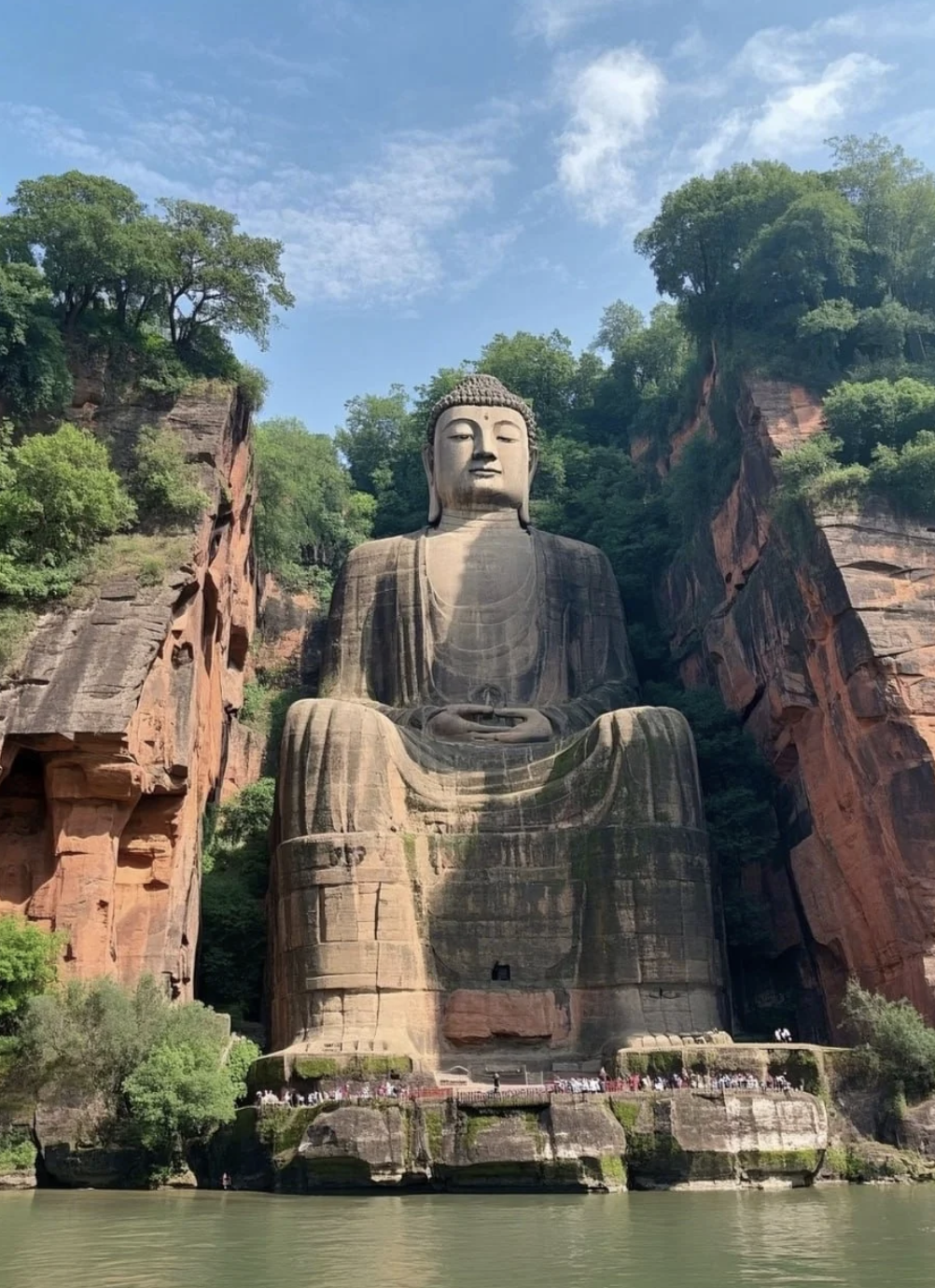
Travel to Leshan to visit the Giant Buddha. This statue is carved into a cliff and faces the river. It is one of the largest stone Buddha statues in the world.
Boat Trip
Take a boat ride to view the Buddha from the water. This angle allows you to see the full scale of the statue and its position along the cliff.
Wuyou Temple
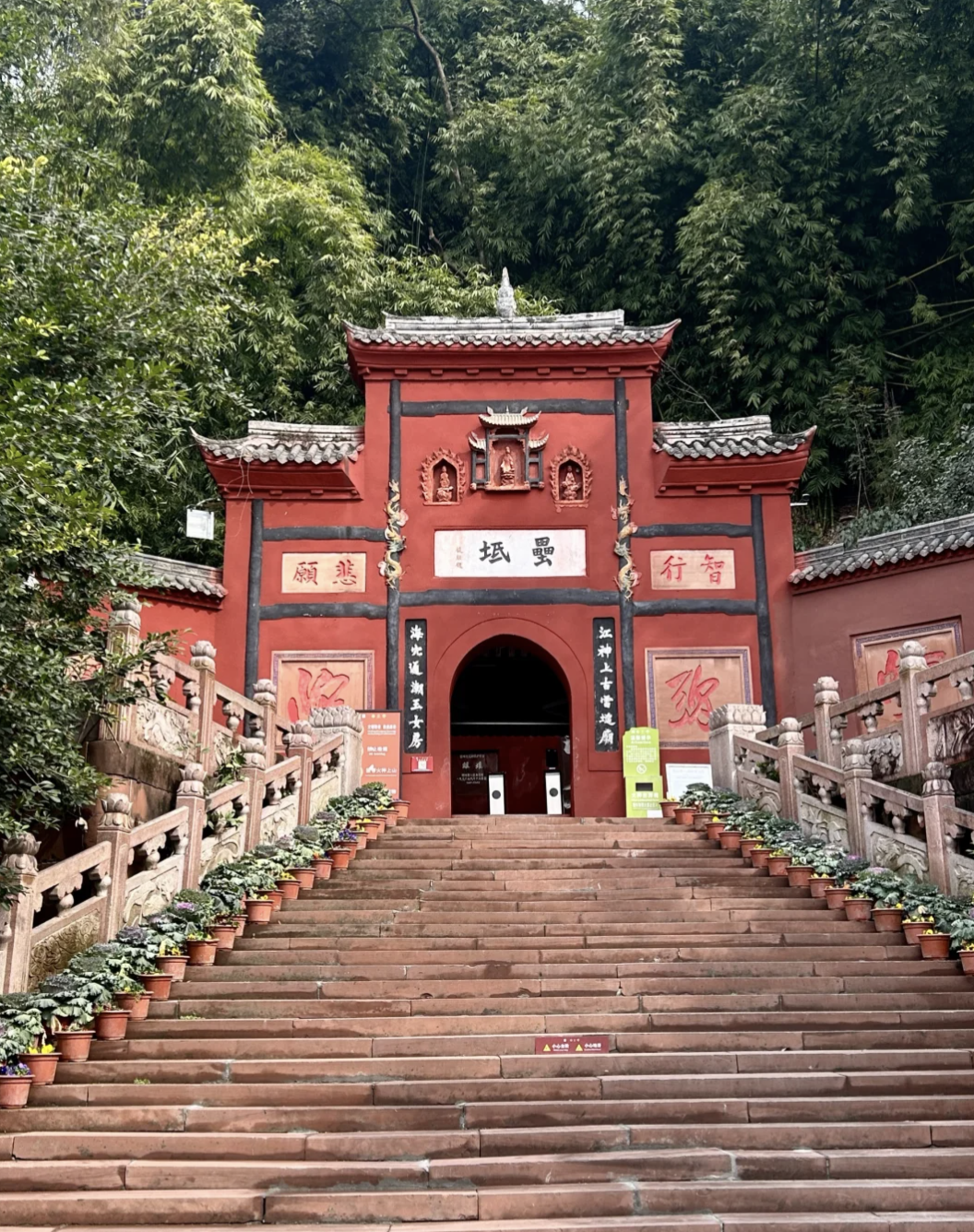
After the boat trip, visit Wuyou Temple. It is located near the Buddha and offers a quieter environment with views of the surrounding area.
Return to Chengdu
Return to Chengdu in the evening.
Day 3: Transfer to Chongqing and Evening Exploration
On Day 3, travel from Chengdu to Chongqing and begin exploring the city.
High Speed Train to Chongqing
Take a high speed train from Chengdu to Chongqing. The journey takes about two hours and is the most efficient way to travel between the two cities.
Arrival in Chongqing
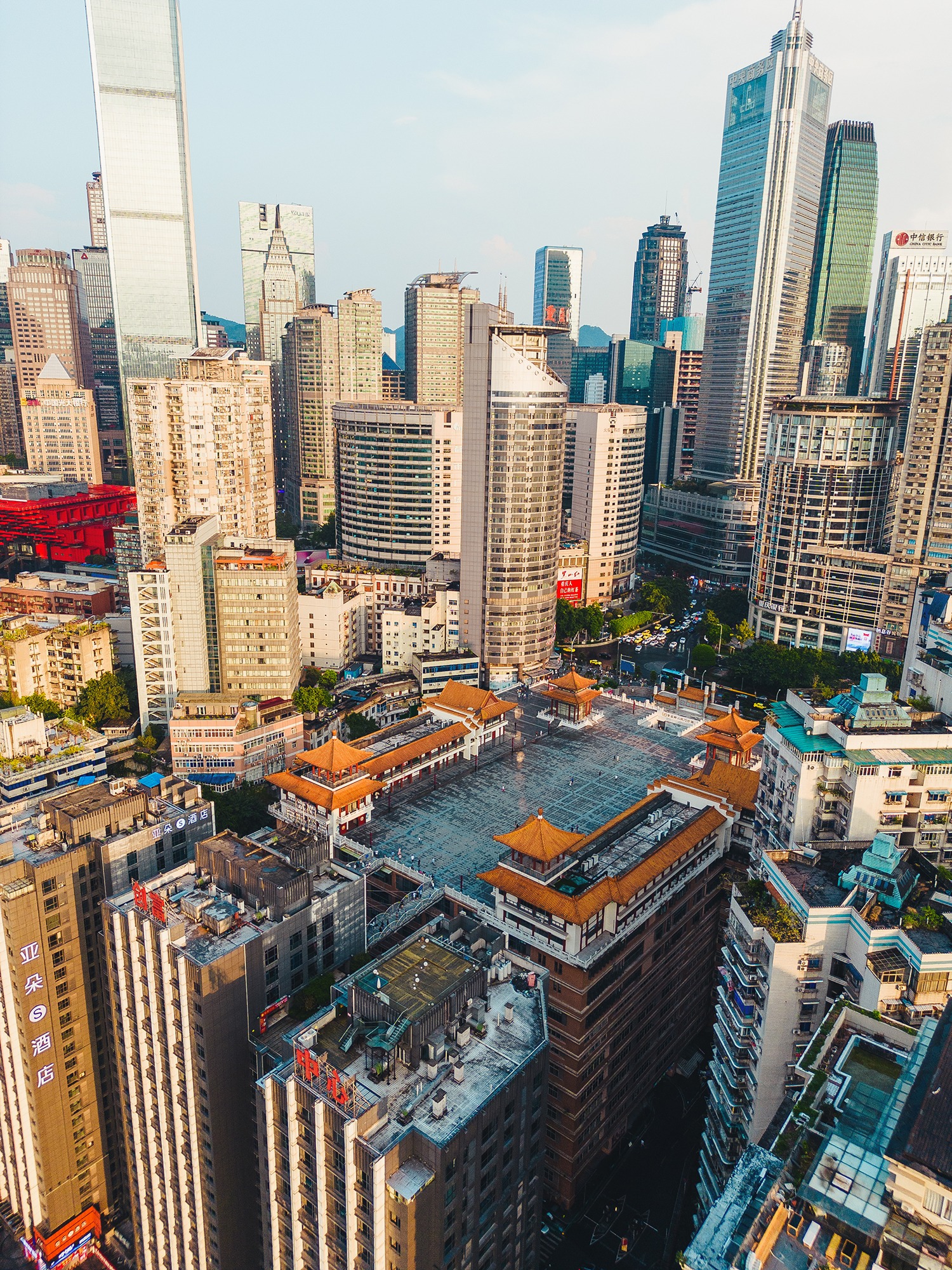
Arrive in Chongqing in the morning. The city is known for its steep terrain and layered urban structure.
Kuixing Tower
Visit Kuixing Tower. It demonstrates the vertical layout of Chongqing, where ground levels differ depending on location.
Hongyadong Area
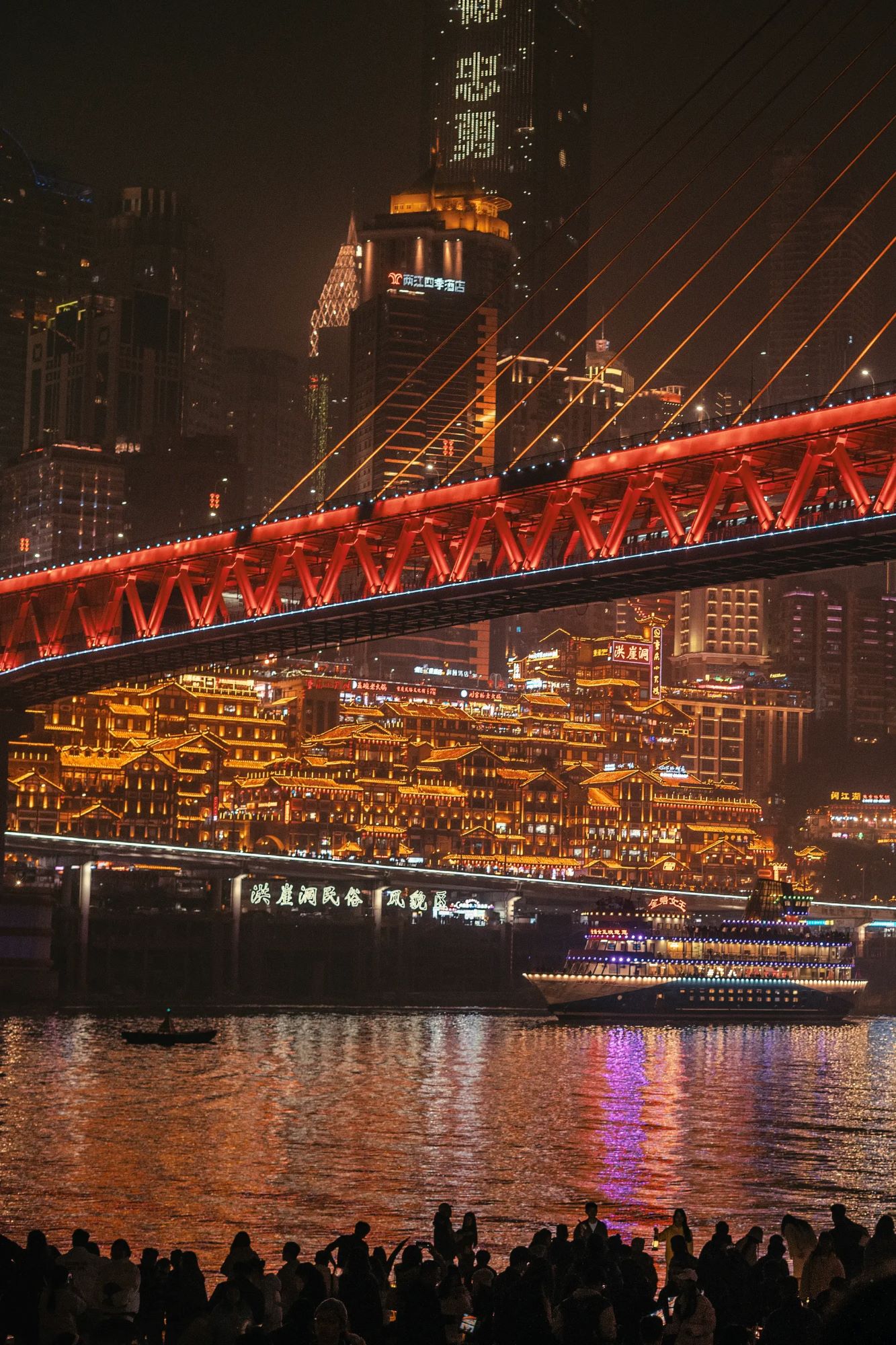
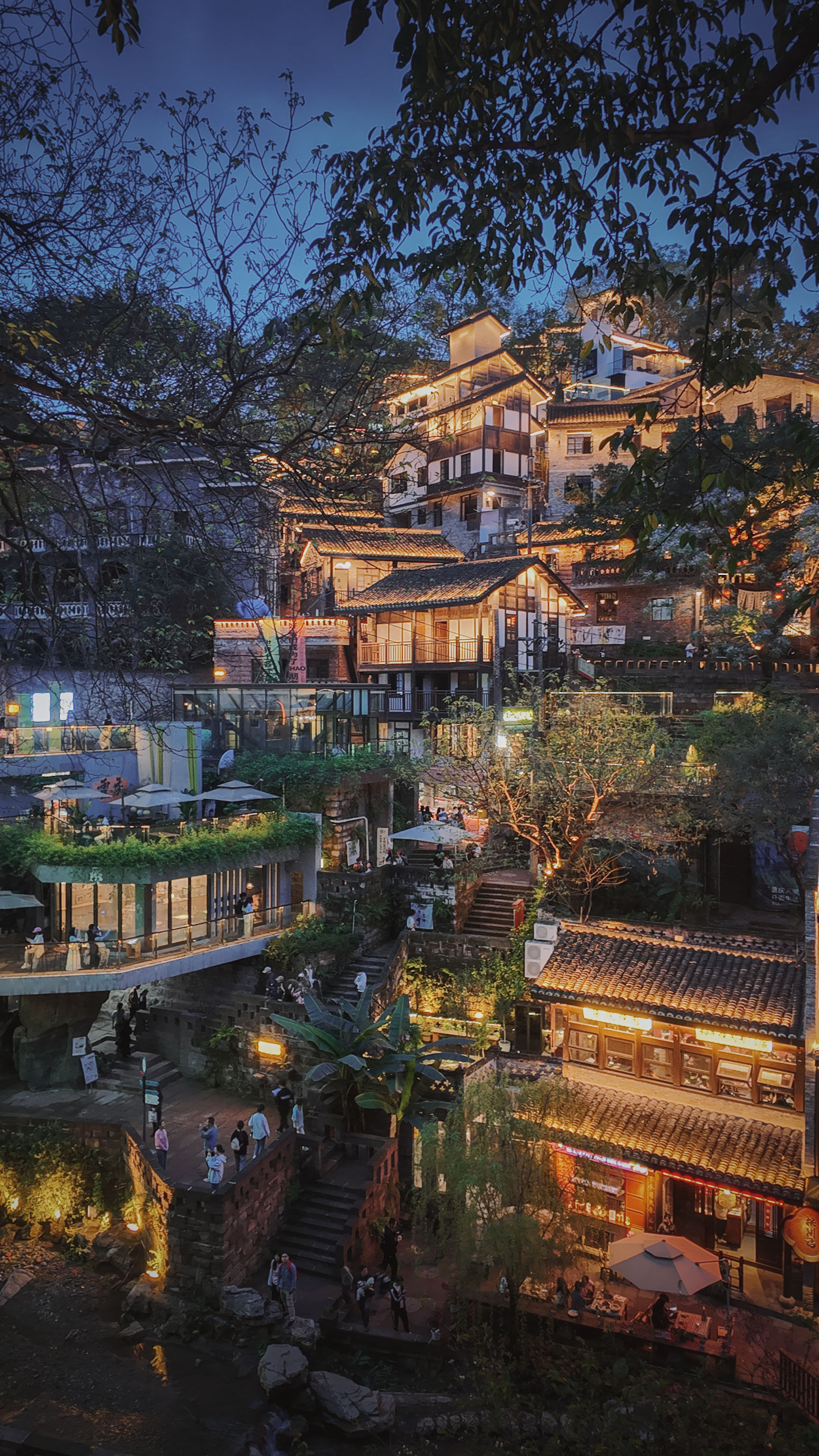
Walk around the Hongyadong area. This riverside complex includes shops, restaurants, and viewing points.
Two Rivers Night Cruise
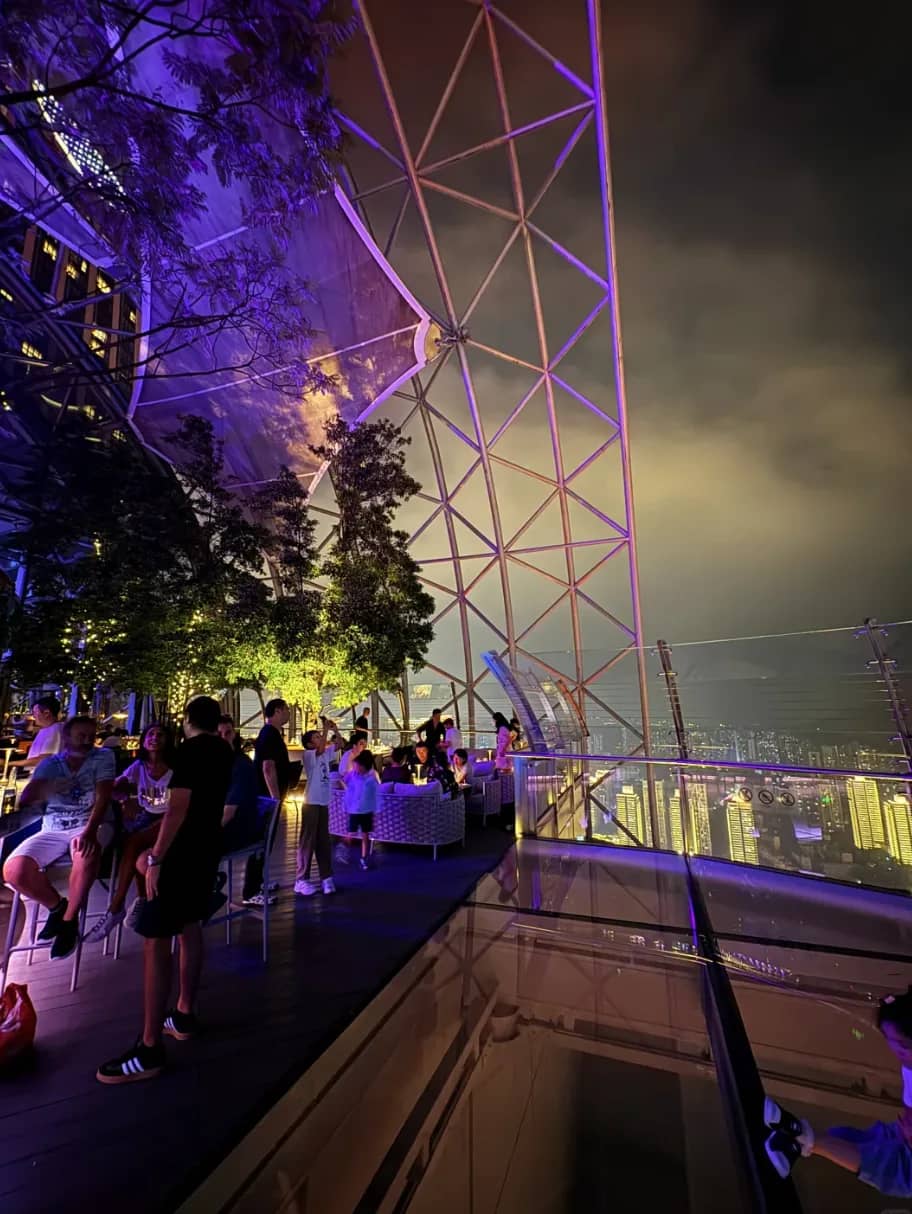
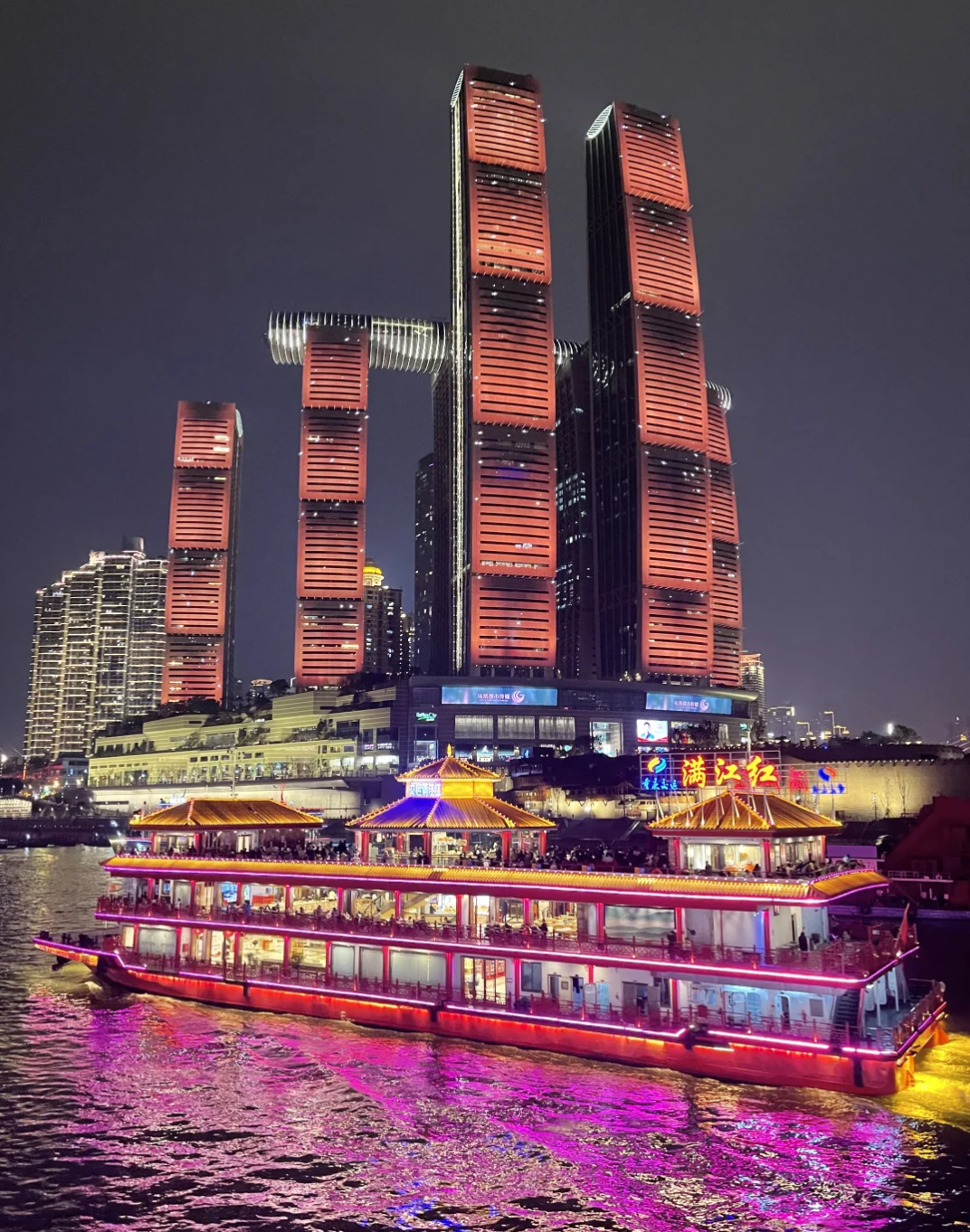
In the evening, take a cruise on the Yangtze River and Jialing River. The skyline is illuminated at night, and the bridges and buildings are clearly visible from the water.
Day 4: Dazu Rock Carvings
Day 4 focuses on cultural heritage outside Chongqing.
Dazu Rock Carvings
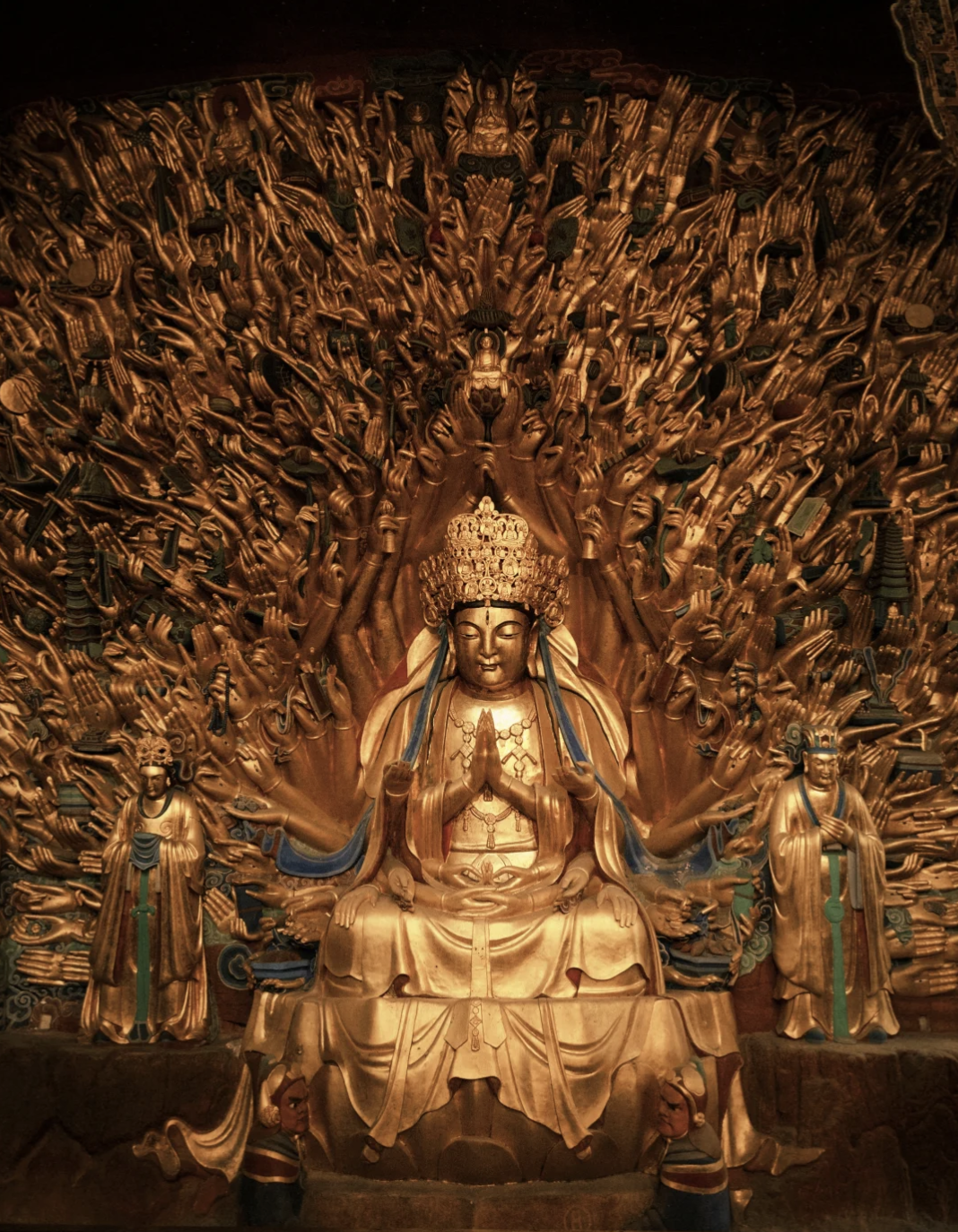
Travel to Dazu to visit the rock carvings. These carvings date back more than one thousand years and include Buddhist, Taoist, and Confucian elements. The figures are detailed and well preserved.
Walking Route
Follow the walking paths along the cliffside. The carvings are arranged in sections, each showing different themes and historical context.
Return to Chongqing
Return to Chongqing in the evening.
Day 5: Chongqing City Highlights
Day 5 covers key locations within Chongqing.
Liziba Station
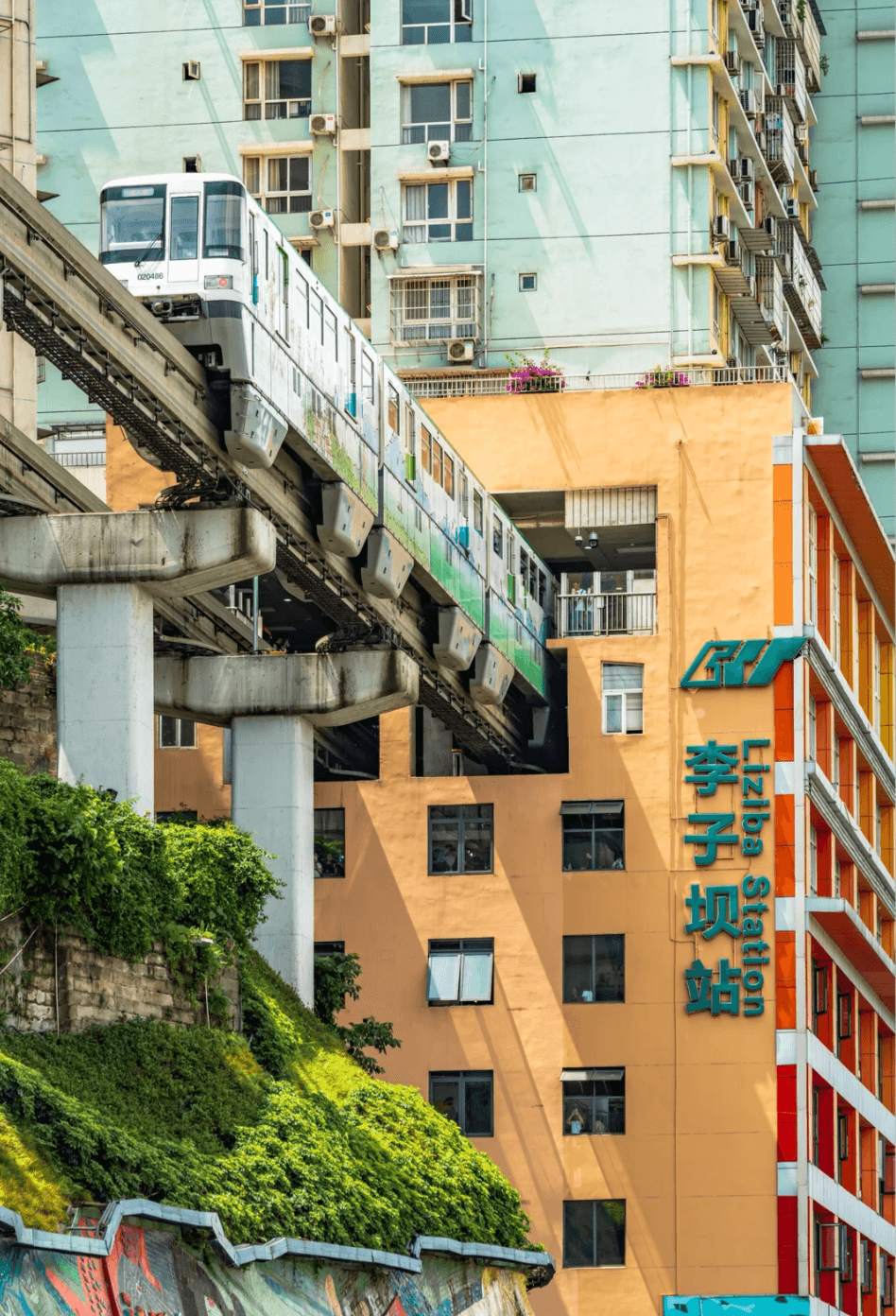
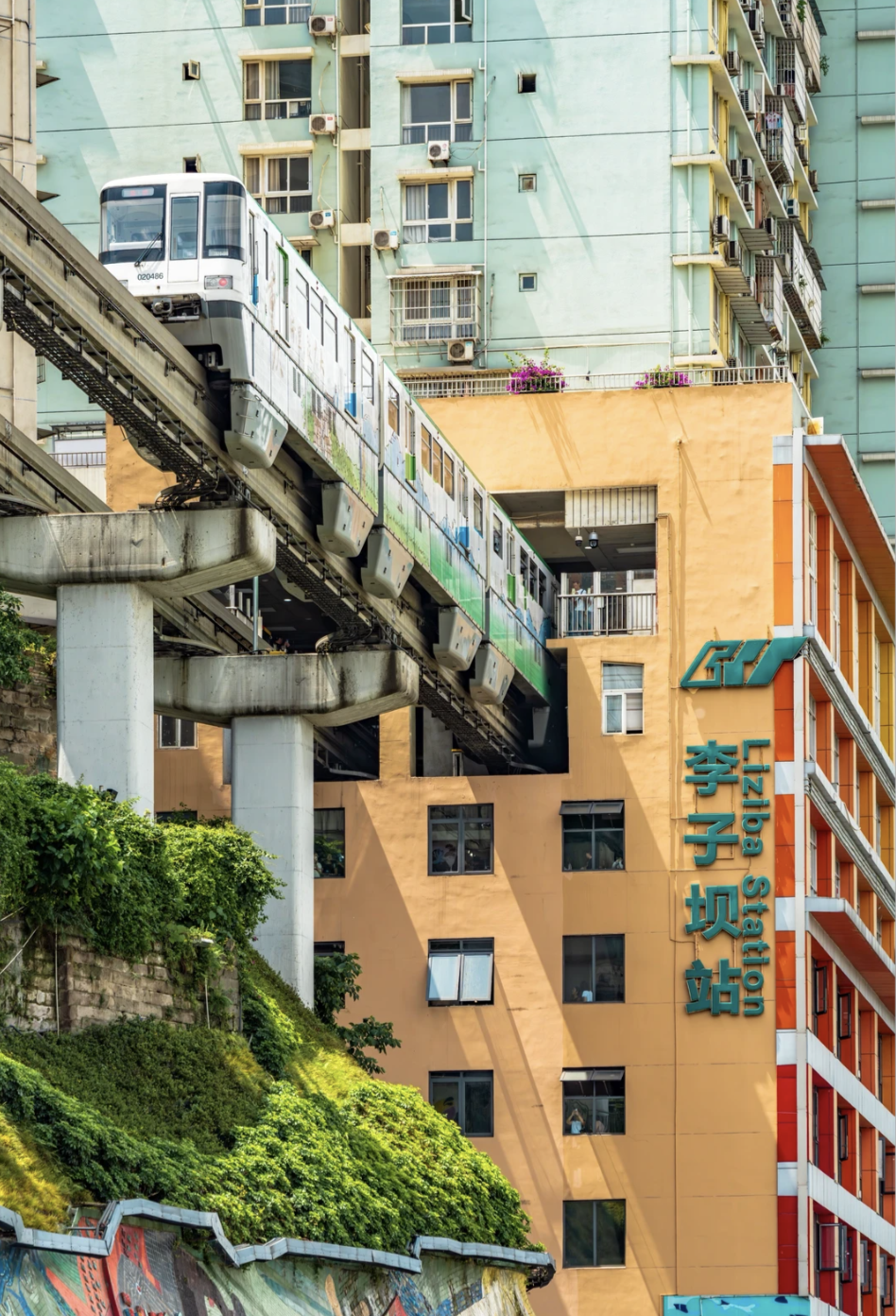
Visit Liziba Station. The monorail passes through a residential building, which shows how transportation adapts to the city’s layout.
Eling Park
Go to Eling Park for a city overview. From the top, you can see the rivers and skyline.
Xiahaoli
Explore Xiahaoli. This hillside neighborhood includes shops and cafés, with a layout that follows the terrain.
Raffles City and Chaotianmen Square
Visit Raffles City and Chaotianmen Square. This area marks the meeting point of two rivers and is an important landmark.
Jiefangbei
End the day in Jiefangbei. It is the central commercial district and a good place for dinner and shopping.
Day 6: Travel to Zhangjiajie and Furong Town
Day 6 focuses on travel and a stop at a historical town.
High Speed Train to Zhangjiajie
Take a high speed train from Chongqing to Zhangjiajie. This route connects the two regions efficiently.
Transfer to Furong Town
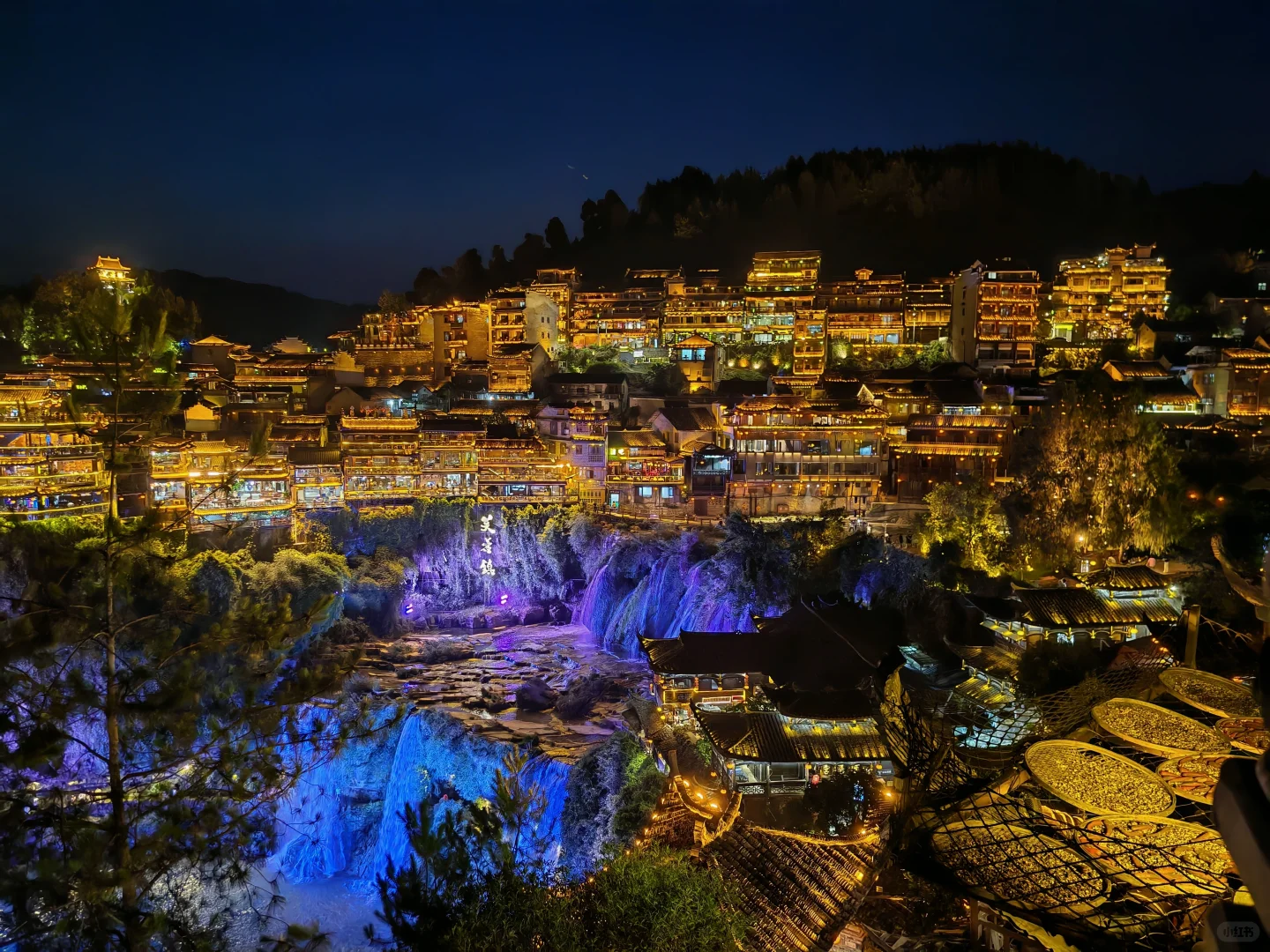
After arrival, continue to Furong Town. This town is known for its location along a waterfall and traditional buildings.
Explore Furong Town
Walk through the town and observe its layout. The waterfall runs through the center, and buildings are arranged along the cliff.
Day 7: Zhangjiajie National Forest Park
Day 7 focuses on the main natural attraction in Zhangjiajie.
Zhangjiajie National Forest Park
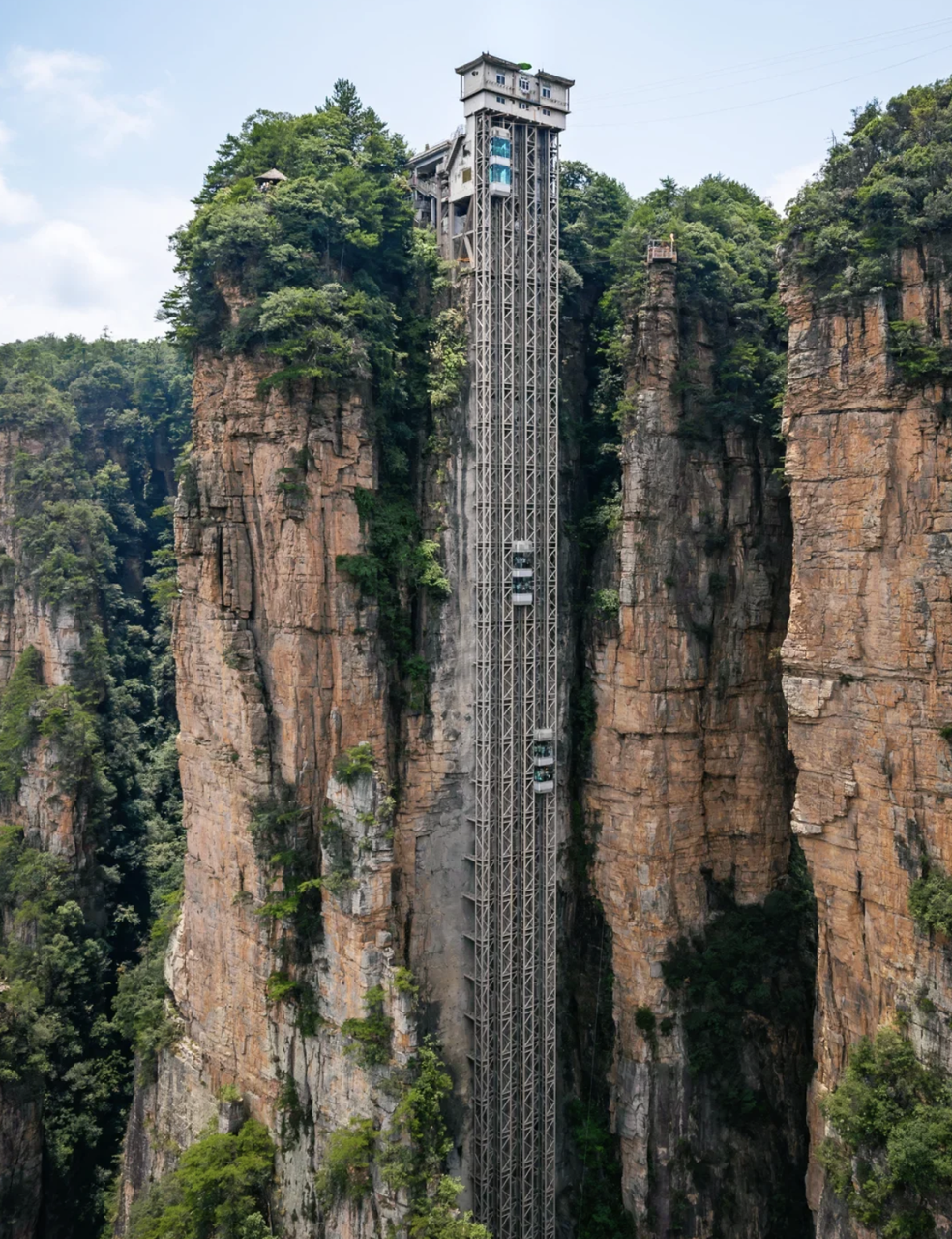
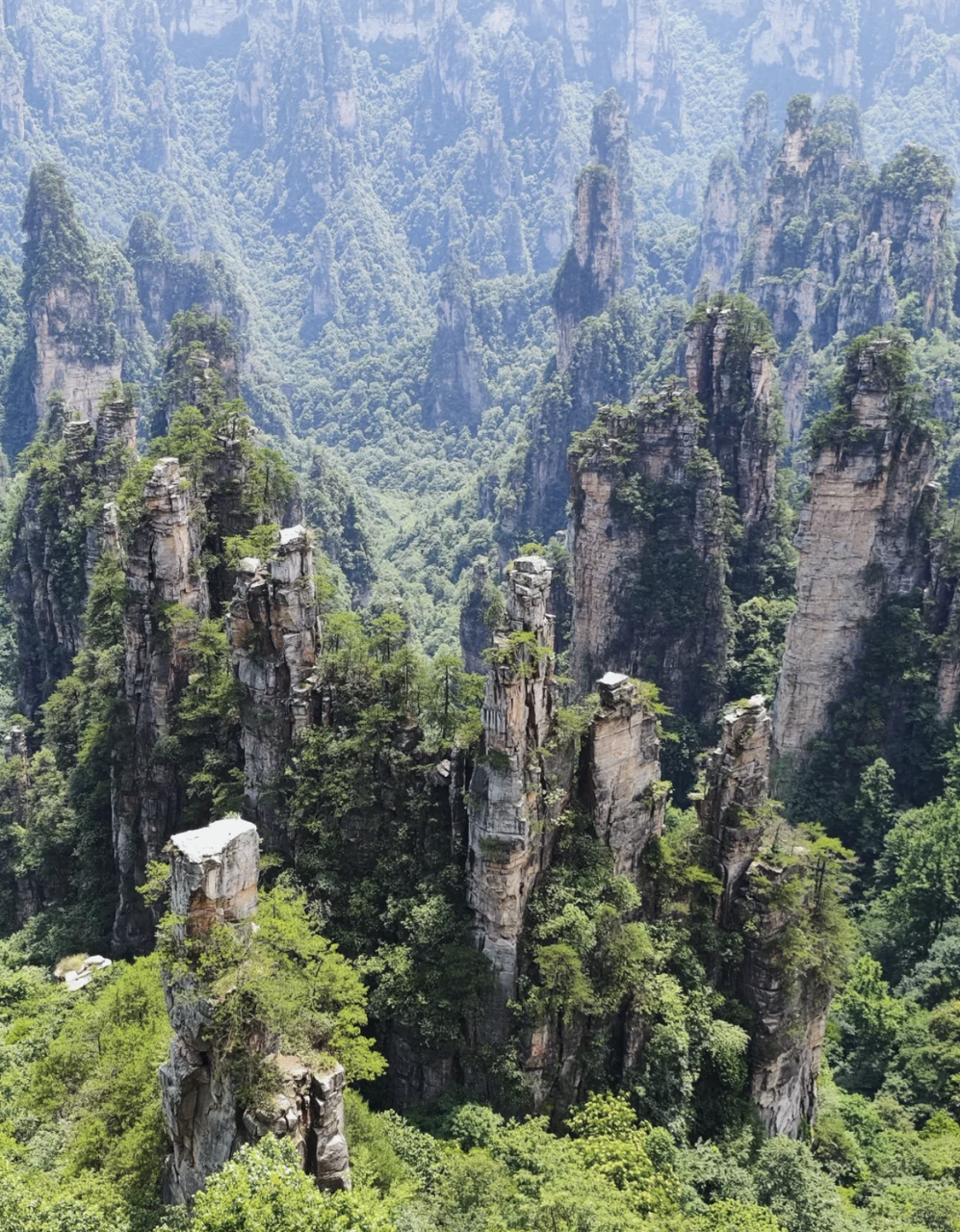
Enter the national park and explore its main areas. The park is known for tall sandstone pillars and forest coverage.
Scenic Areas
Visit key viewpoints and walking paths. Shuttle buses and elevators are available to help visitors move between sections.
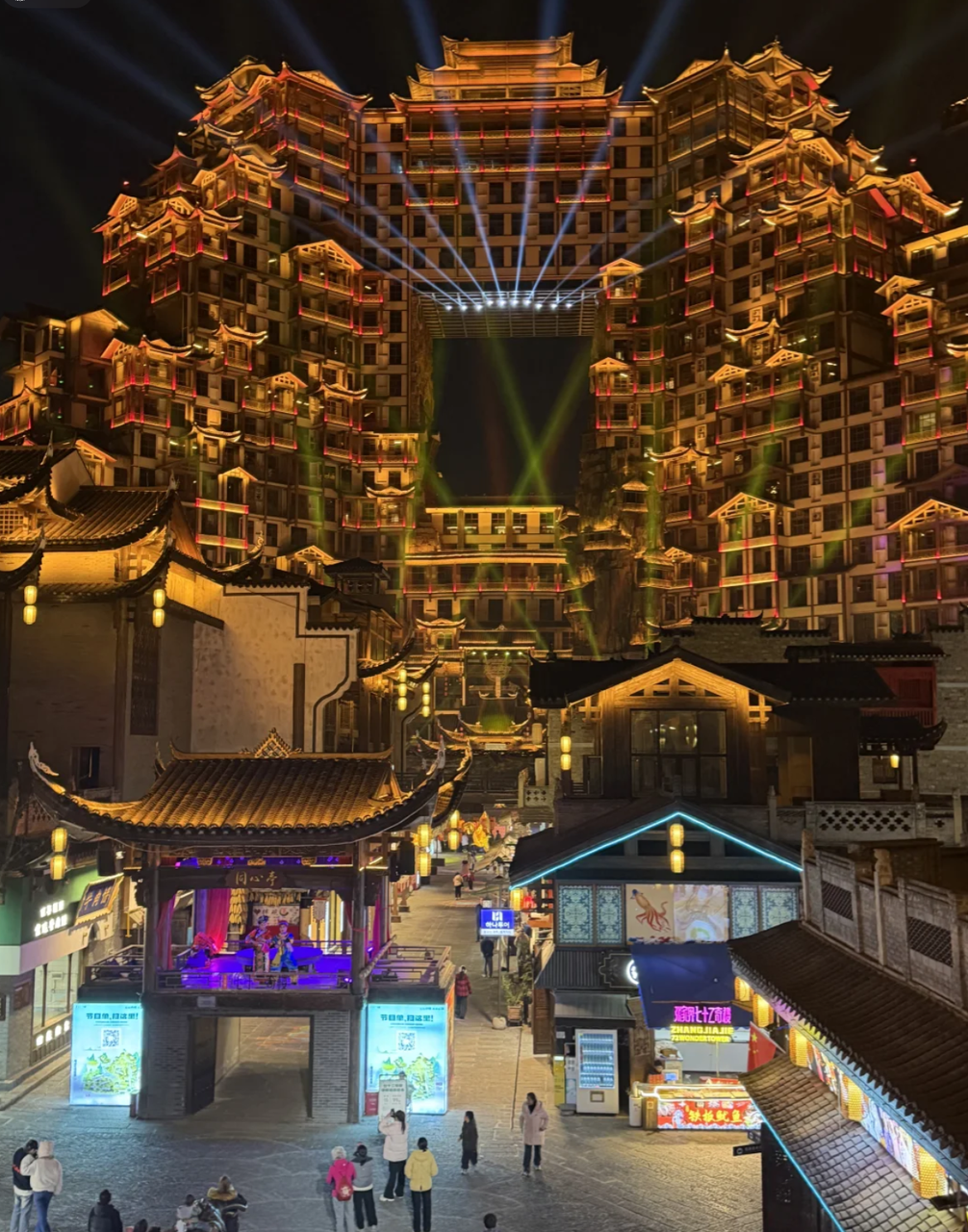
72 Mysterious Buildings
In the evening, visit the 72 Mysterious Buildings area. This location features traditional style architecture and night lighting.
Day 8: Tianmen Mountain and Departure
The final day focuses on one major landmark before departure.
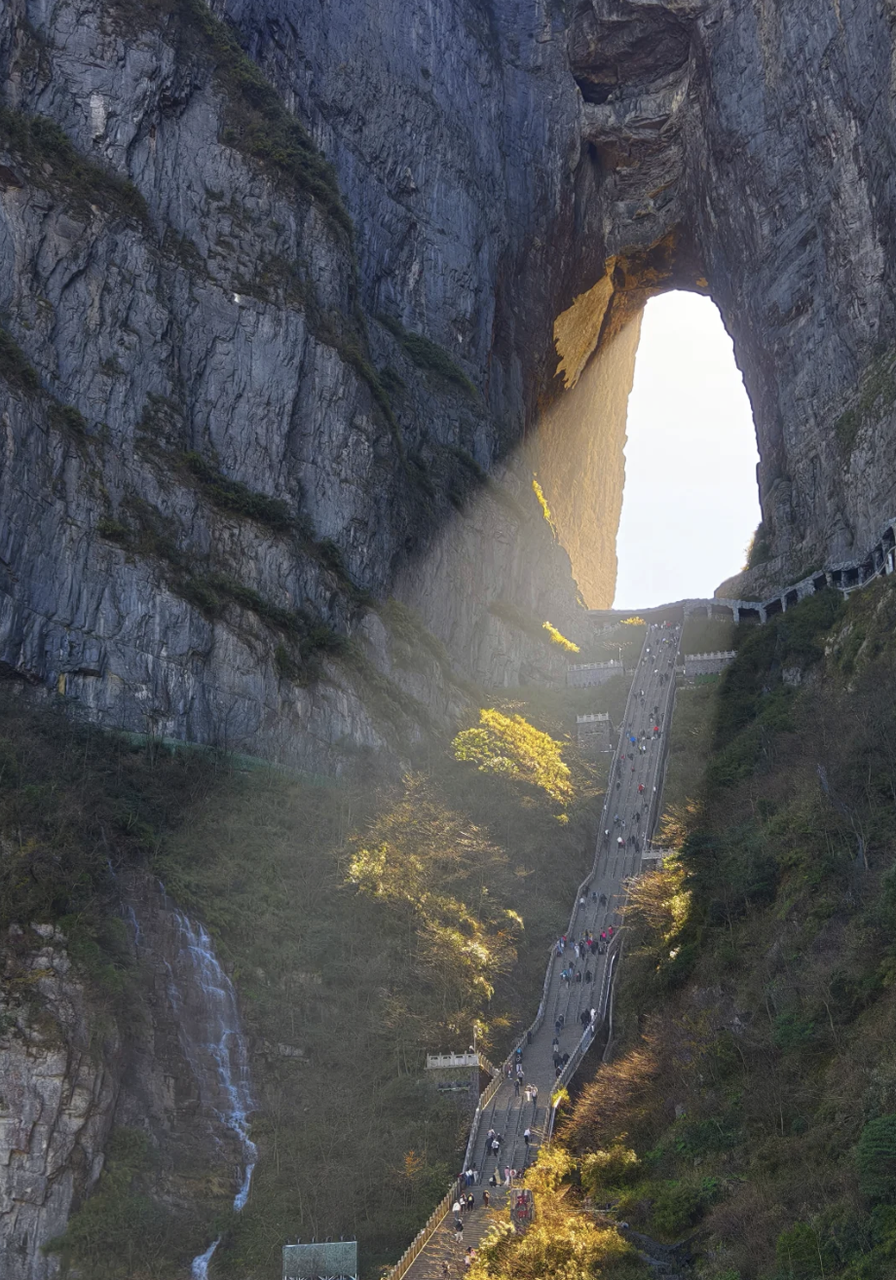
Tianmen Mountain
Visit Tianmen Mountain. Access includes a cable car and walking routes. The area is known for mountain views and Tianmen Cave.
Walkways and Viewing Areas
Explore the walkways along the mountain. Some paths follow the cliff and provide open views of the surrounding area.
Flight Departure
After the visit, go to the airport and take a flight for your return journey.
Final Thoughts
This itinerary connects Chengdu, Chongqing, and Zhangjiajie in a clear sequence. Each destination offers a different experience, from cultural sites to urban landscapes and natural parks. The plan allows you to cover key highlights within eight days while keeping travel efficient.
If you want to adjust the route or focus more on specific interests, customized planning can help create a more suitable schedule.