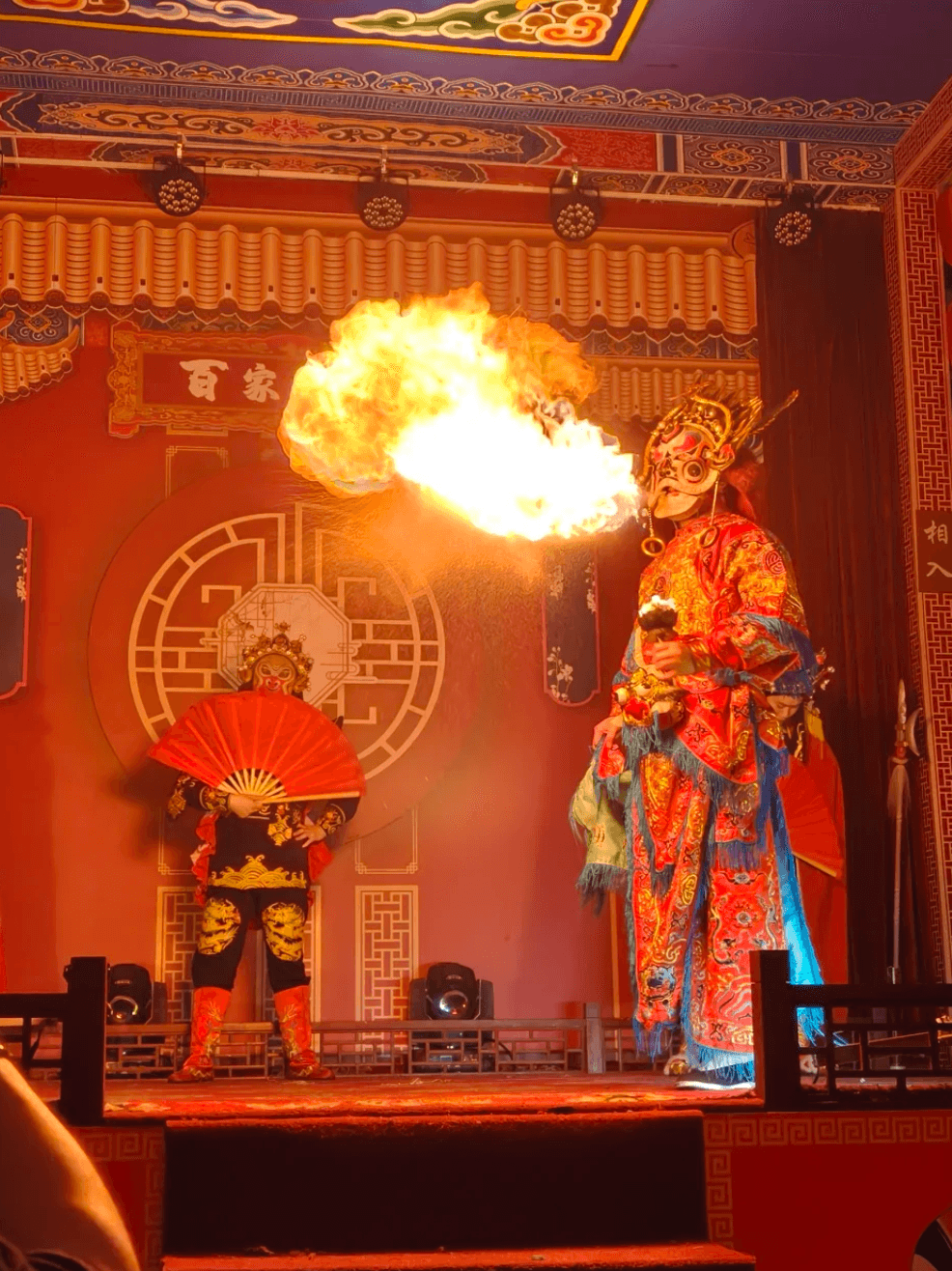
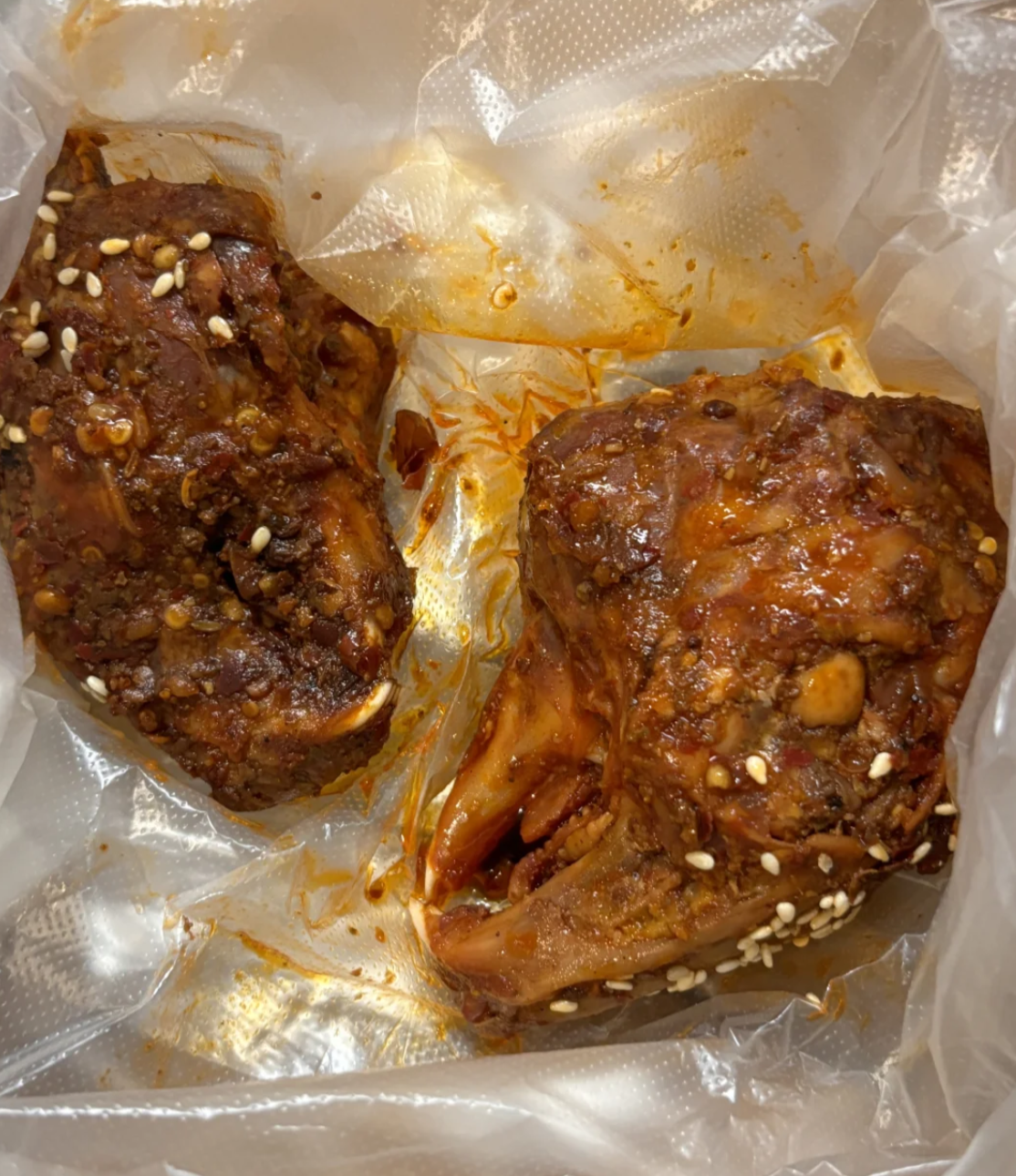
Chengdu-Style Spicy Rabbit Head (Mala Tu Tou)
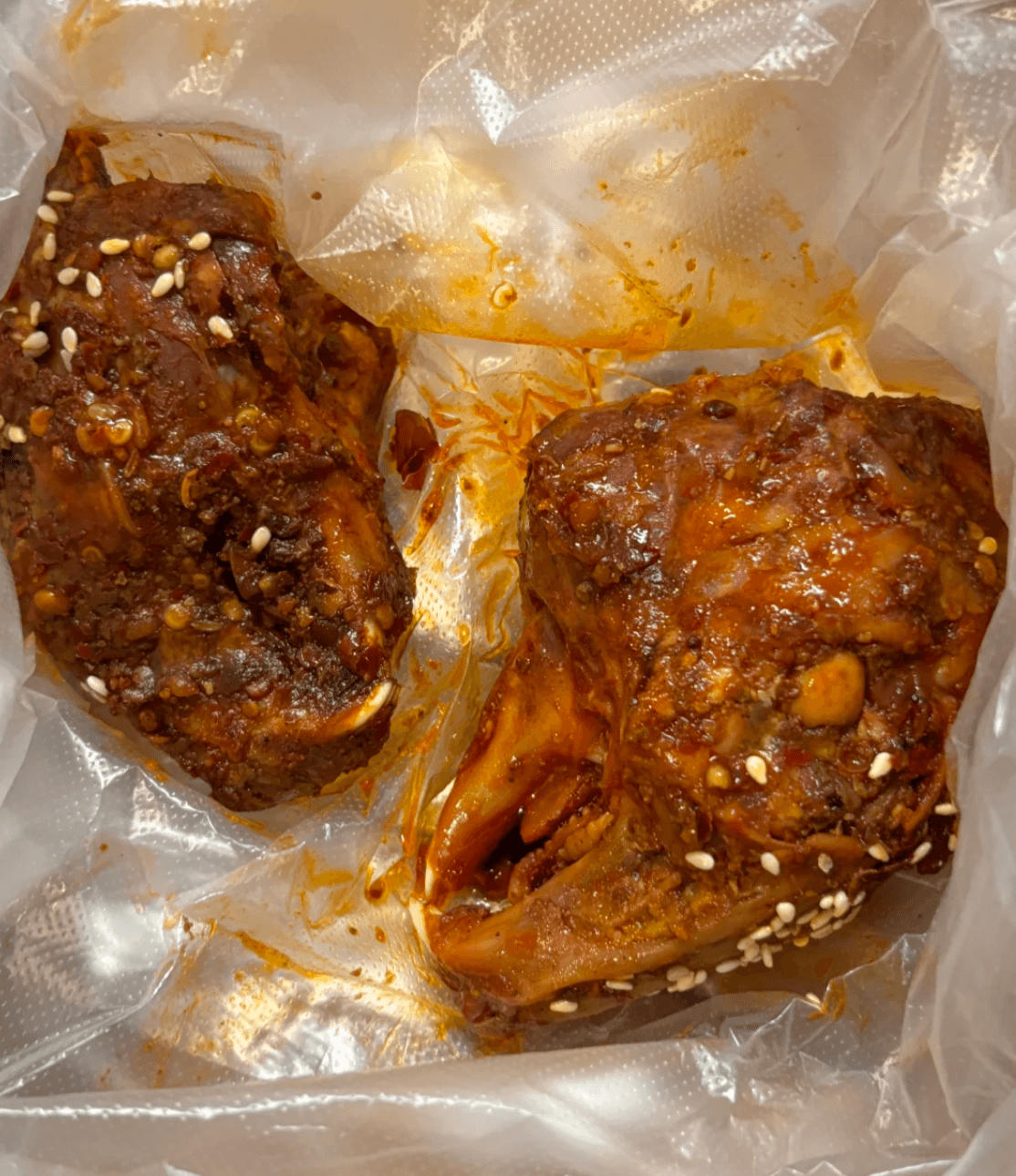
This is a well-known Chengdu street snack that locals enjoy casually, especially in the evening. The rabbit heads are slowly braised with chilies, Sichuan peppercorns, garlic, and spices, creating a rich, aromatic flavor with gentle heat that builds gradually rather than hitting all at once.
Eating rabbit head is a slow, relaxed experience. Locals take their time, carefully picking the meat around the cheeks and jaw, often sharing a plate while chatting. It’s less about how much meat there is, and more about enjoying the seasoning and the moment.
For visitors, this dish is completely optional. Many people are curious to try a small bite; others are happy just observing. Either choice is perfectly normal in Chengdu.
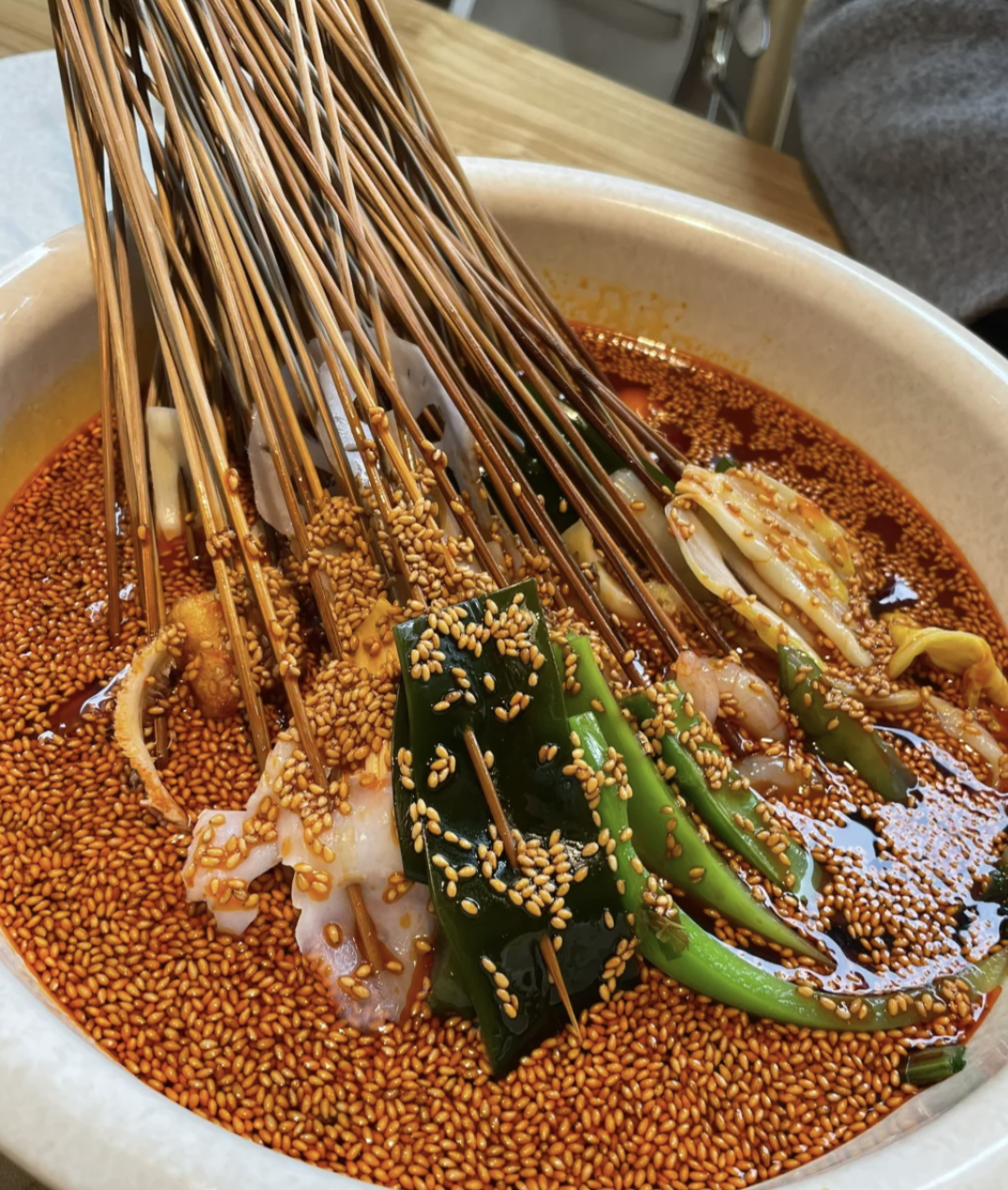
Bobo Chicken (Bo Bo Ji)
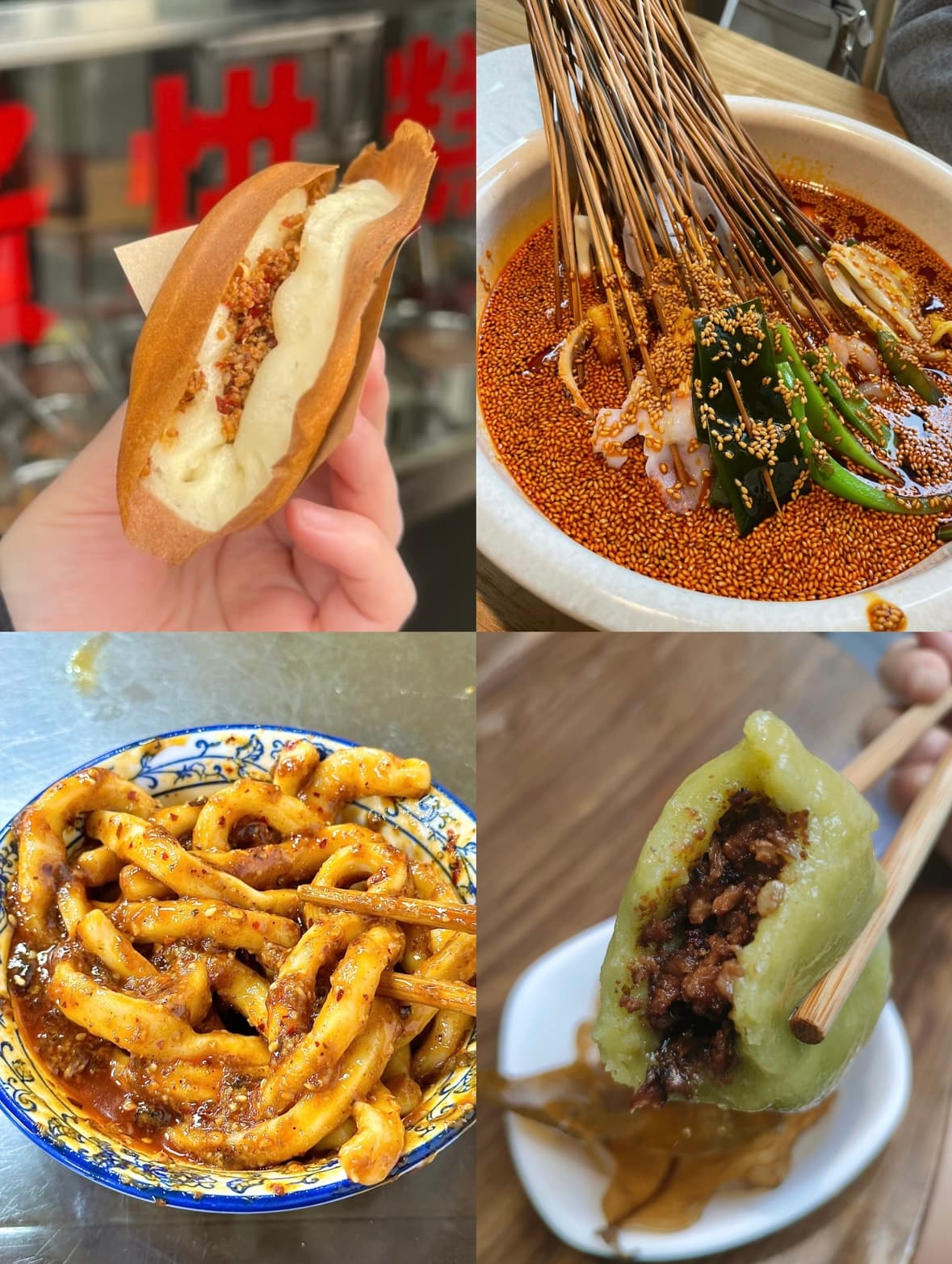
Bobo chicken is a cold-skewer snack that’s very common on Chengdu streets, especially in warmer months. Ingredients are cooked first, then placed on skewers and soaked in a seasoned broth.
There are usually two styles to choose from: a chili-based version with deeper heat, and a green pepper version that’s fresher and lighter. Besides chicken, you’ll often see lotus root, potatoes, tofu skin, and mushrooms. Portions are small, so people often pick several skewers to share.
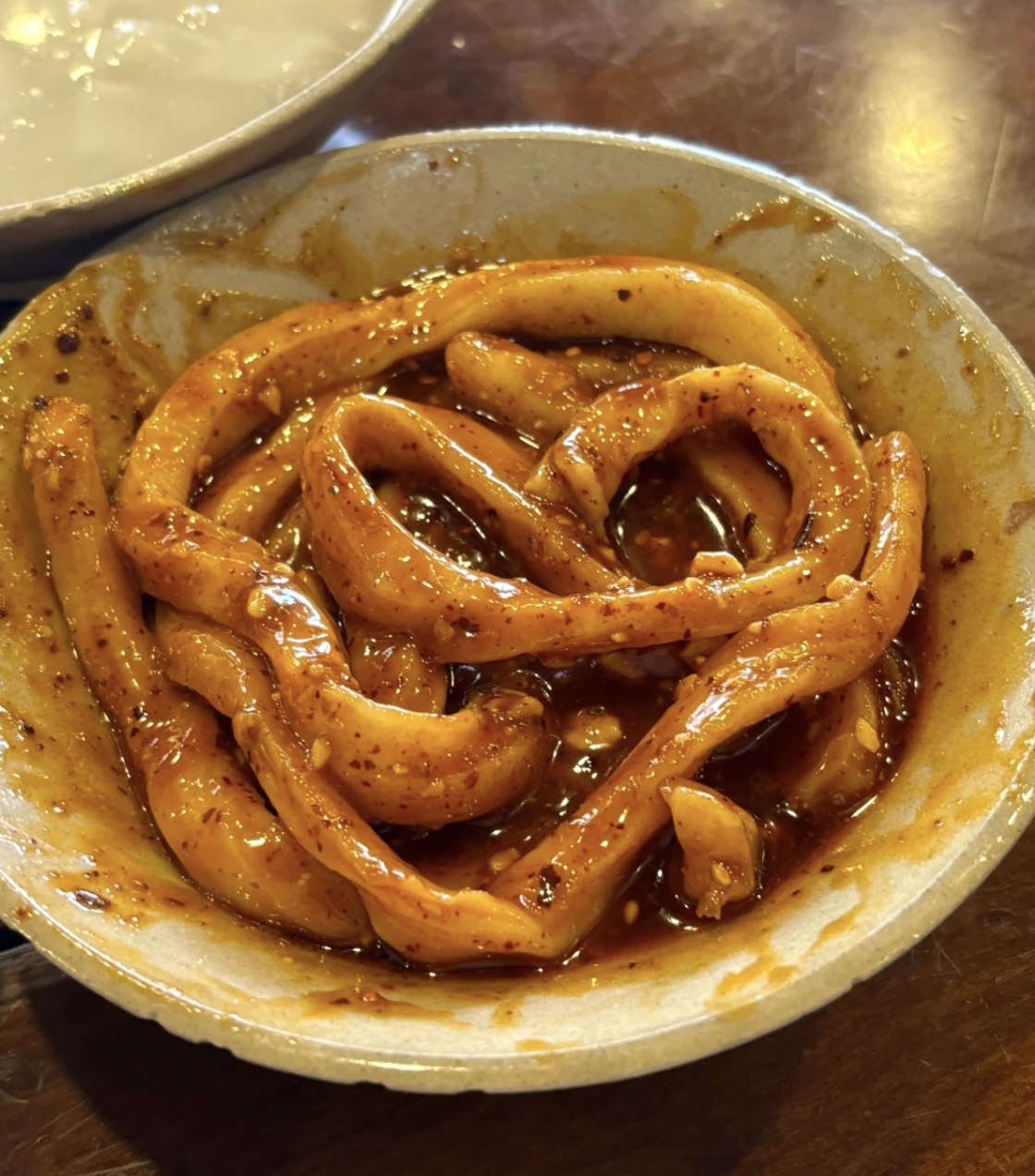
Sweet Water Noodles (Tian Shui Mian)
Sweet water noodles are a uniquely Chengdu dish and often surprise first-time visitors. Thick, chewy noodles are coated in a glossy sauce made from sweet soy sauce, chili oil, sesame paste, and garlic.
The flavor starts sweet, then slowly warms up, without being aggressive. These noodles are usually served in small bowls and eaten as a snack rather than a full meal. It’s a good example of Chengdu’s love for balanced, layered flavors.
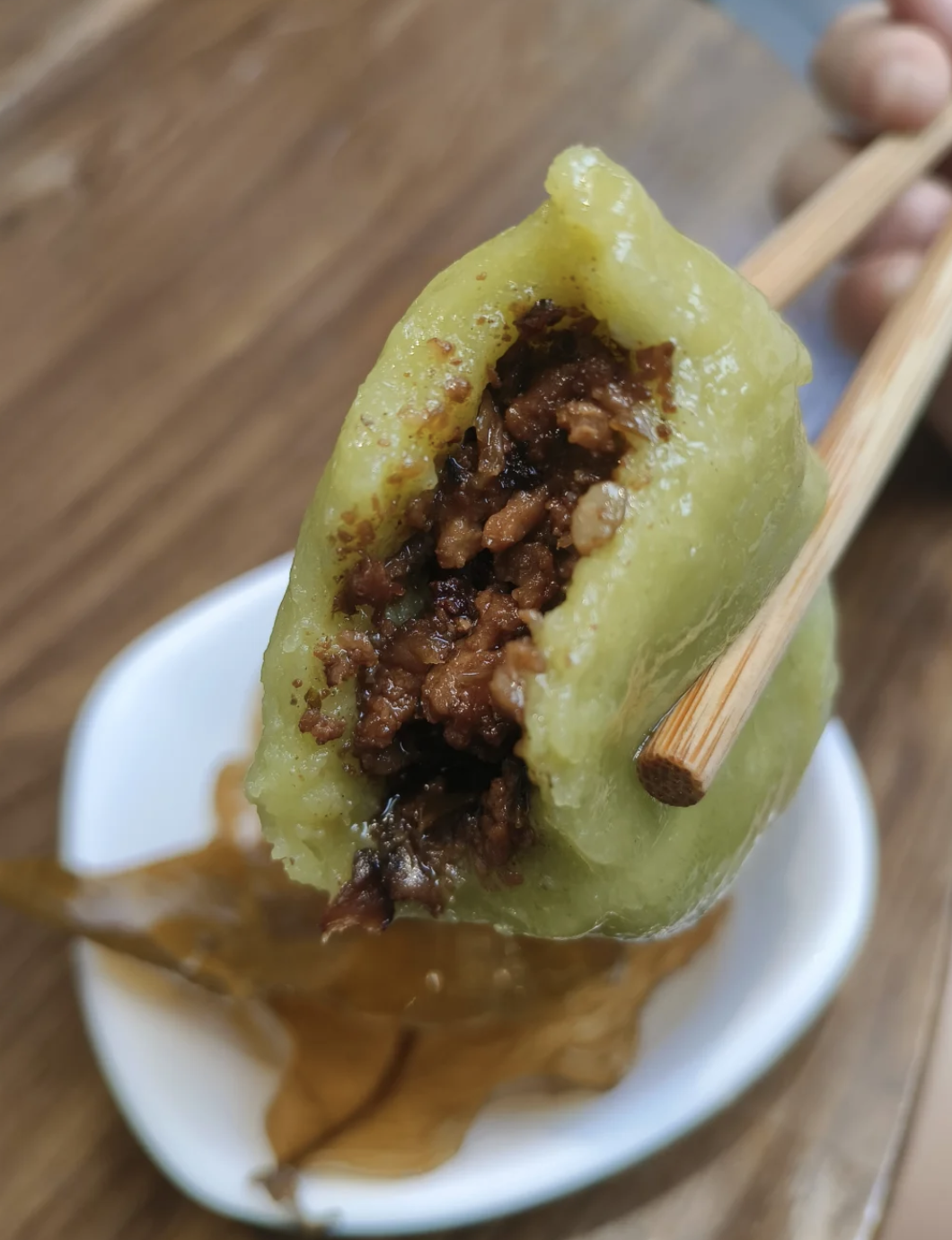
Leaf-Wrapped Rice Cake (Ye Er Ba)
Ye Er Ba is a traditional snack with a much milder profile than most Sichuan dishes. Glutinous rice dough is filled with pork or sweet bean paste, wrapped in bamboo leaves, and steamed.
The bamboo leaves give the rice a light, natural aroma, and the texture is soft and comforting. This snack is common in older neighborhoods and during traditional festivals, offering a quieter side of Chengdu food culture.
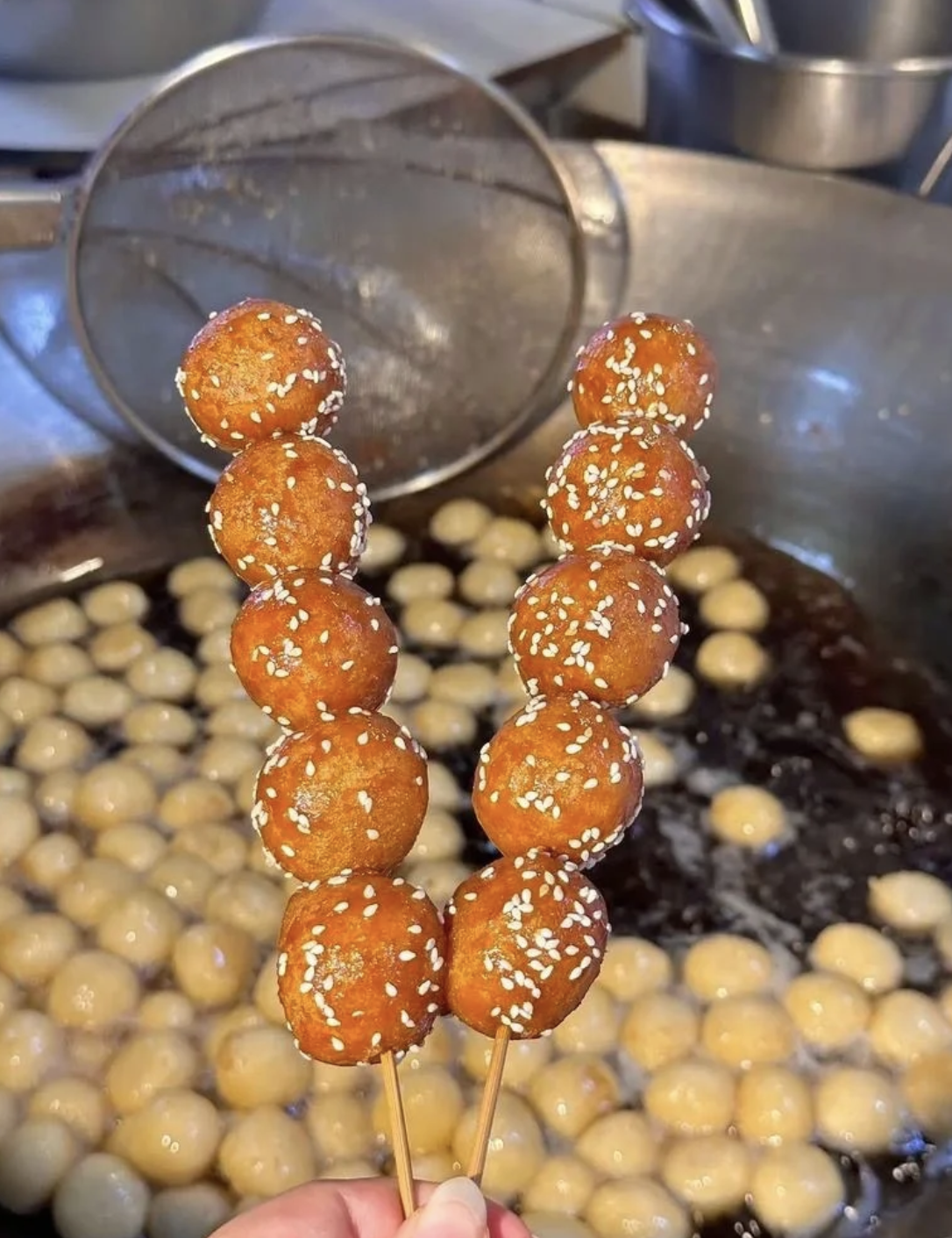
Sugar-Coated Rice Balls (Tang You Guo Zi)
These deep-fried glutinous rice balls are a popular sight at night markets and old streets. Vendors fry them until golden, then coat them with brown sugar syrup and sesame seeds.
The outside is lightly crisp, while the inside stays chewy and elastic. Despite being fried, they’re not overly greasy. Locals often buy a small portion to eat while walking, especially in the evening.
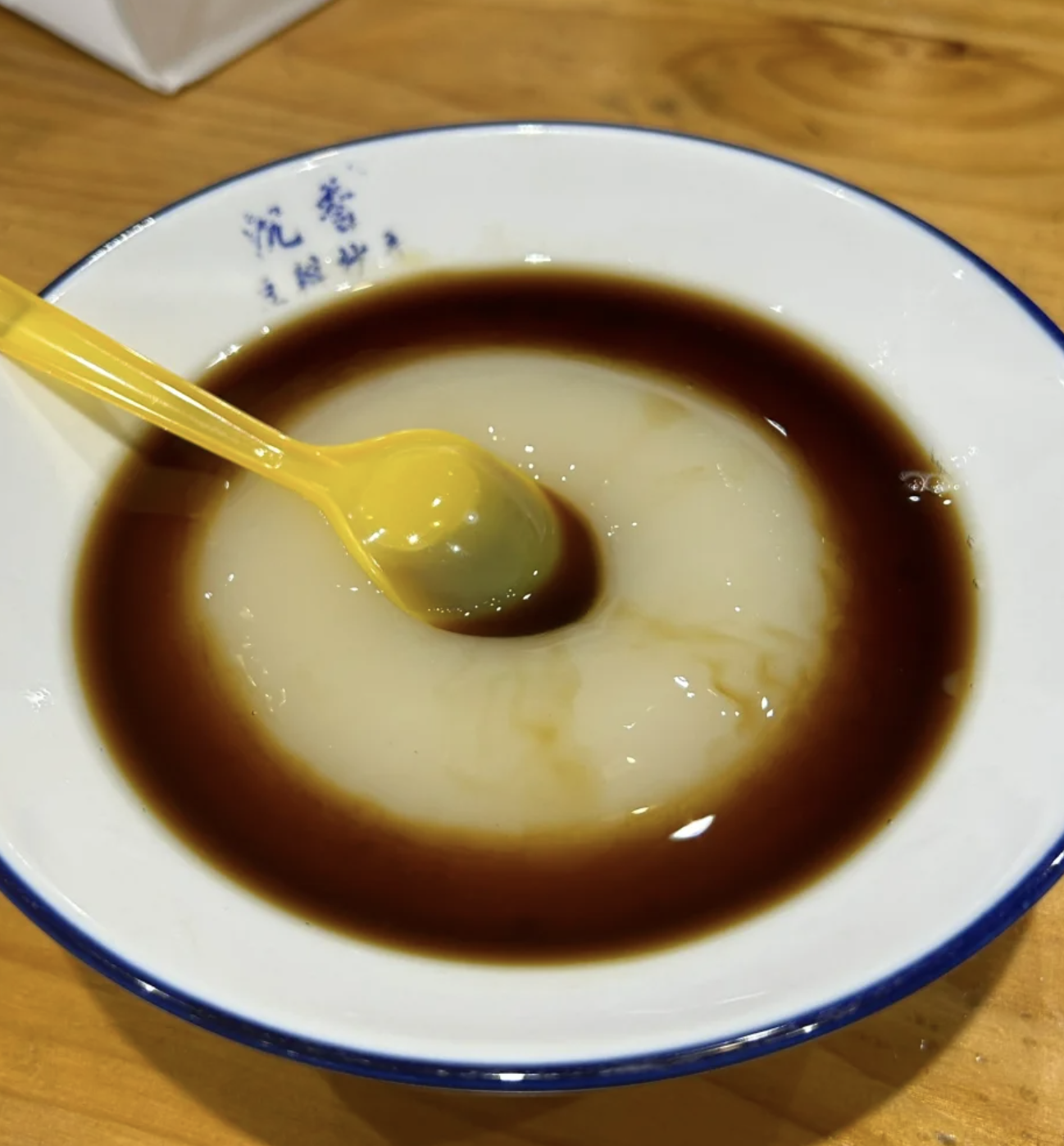
Lianggao (Chilled Rice Cake Dessert)
Lianggao is a simple, refreshing dessert that Chengdu locals enjoy during hot weather. Made from rice flour, it has a smooth, jelly-like texture and is served cold.
It’s usually topped with dark brown sugar syrup, sometimes with a hint of osmanthus. Lightly sweet and cooling, lianggao is less about indulgence and more about comfort.
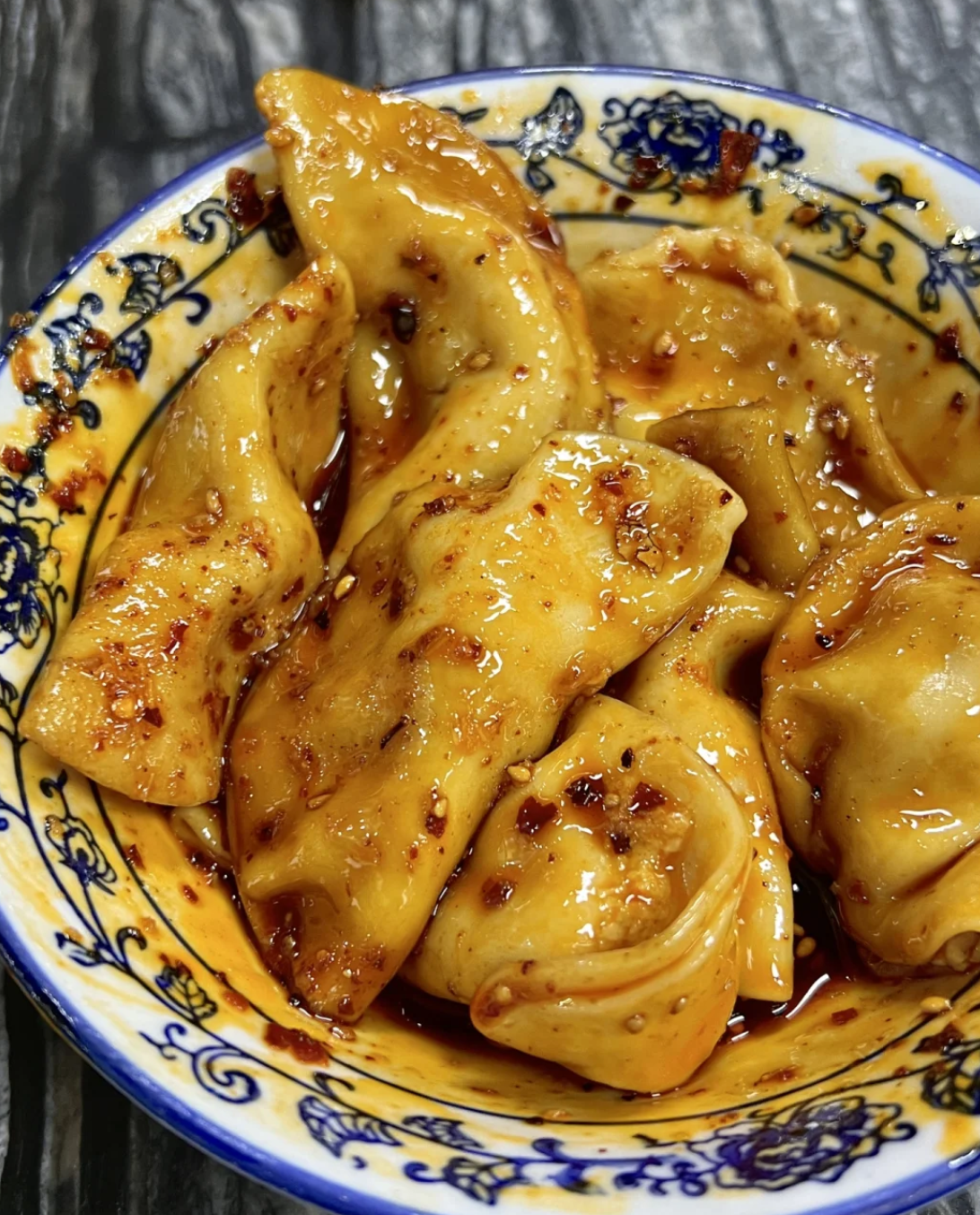
Zhong Dumplings (Zhong Shui Jiao)
Zhong dumplings are pork-filled dumplings served with a distinctive sauce rather than dipped. The sauce combines chili oil, sugar, garlic, and sesame paste, creating a flavor that is sweet, savory, and gently spicy.
The dumplings themselves are soft and delicate, with finely minced filling. This dish is a cornerstone of Chengdu snack culture and is widely available in both small shops and street-side eateries.
Dan Dan Noodles
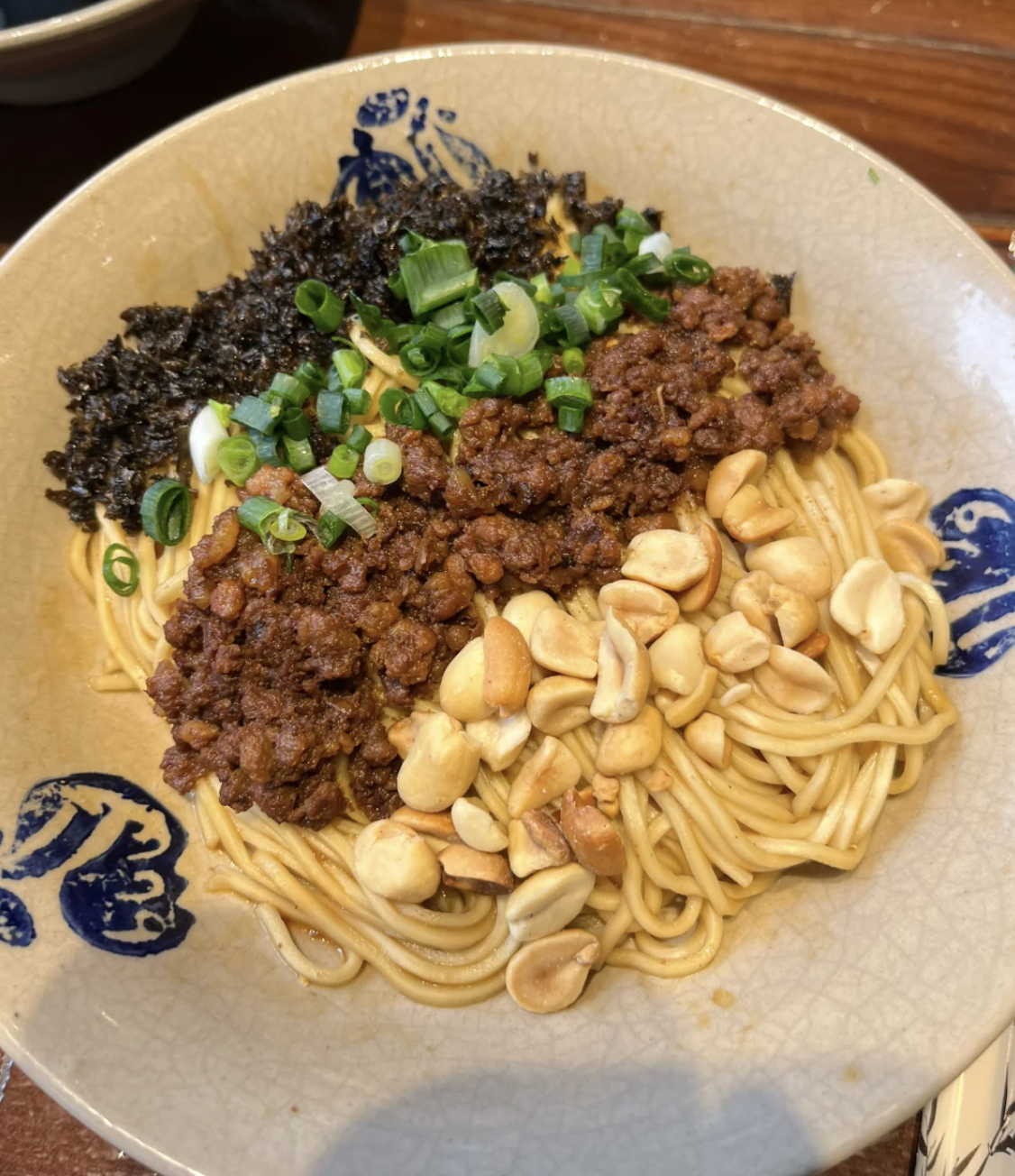
Dan Dan noodles are one of the most recognizable Sichuan noodle dishes. In Chengdu, they’re often served in small portions, making them easy to pair with other snacks.
Thin noodles are tossed with minced pork, preserved vegetables, chili oil, Sichuan peppercorns, and sesame paste. The flavor is rich and aromatic rather than overwhelming, and locals often eat it quickly as part of a casual meal.
San Da Pao (Three Cannon Rice Balls)
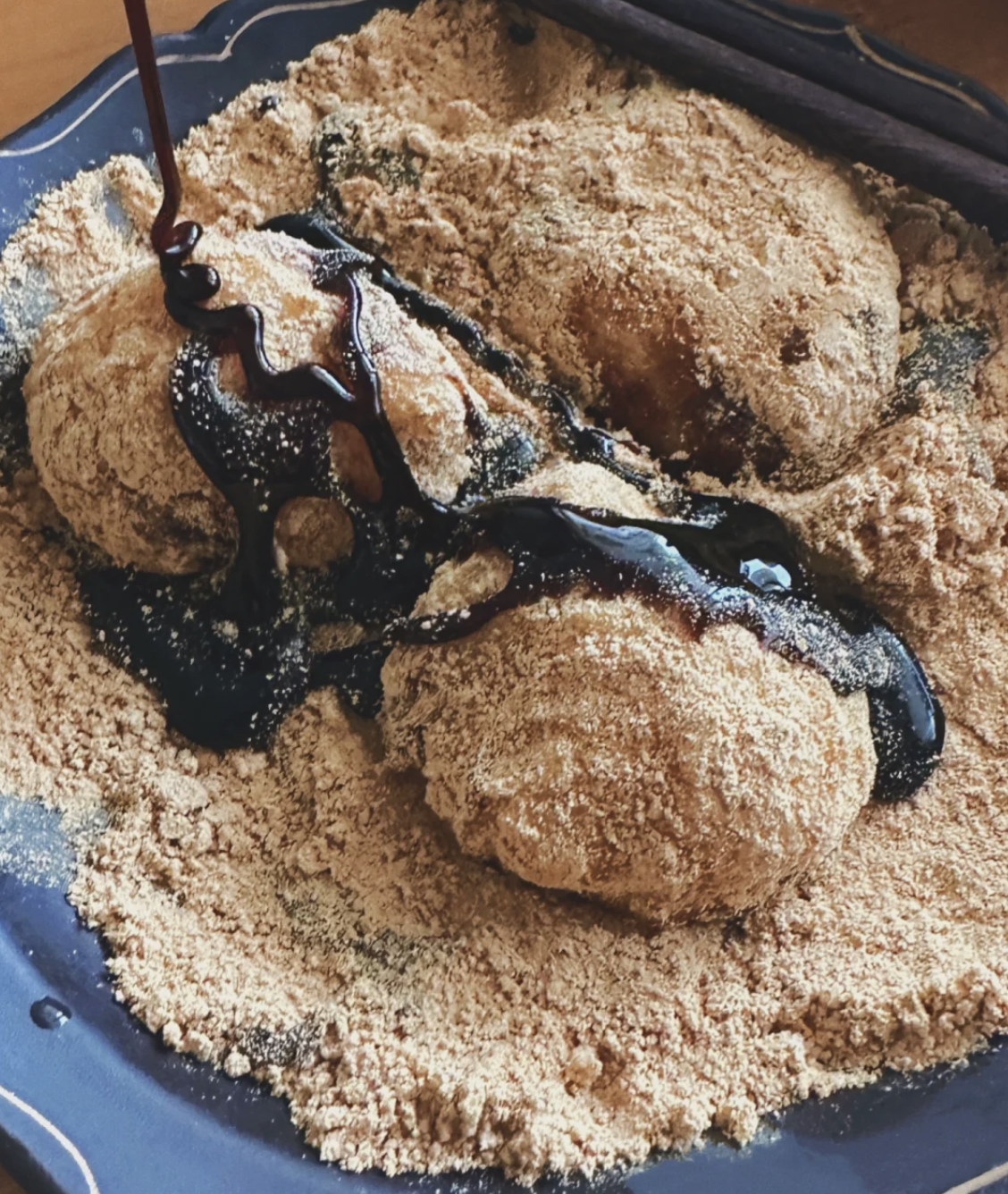
San Da Pao is both a snack and a small performance. Vendors toss glutinous rice balls onto a wooden board, where they bounce and make three loud sounds—hence the name.
The rice balls are then rolled in roasted soybean powder and topped with brown sugar syrup. Soft, sticky, and lightly sweet, this snack is especially popular in traditional markets and tourist-friendly old streets.
Understanding Chengdu Through Street Food
Chengdu street food isn’t about extremes—it’s about everyday enjoyment. Locals eat these snacks without rushing, often standing on the street or sitting on low stools, chatting as they eat.
You don’t need to try everything. Even choosing one or two snacks gives you a genuine glimpse into how Chengdu people live and eat. Street food here is less about novelty, and more about feeling at ease in the city.
If you’d like to explore Chengdu’s food culture more deeply, you’re welcome to join one of our local-led food experiences. With a knowledgeable local guide, you’ll discover where locals really eat—and avoid the tourist traps along the way.